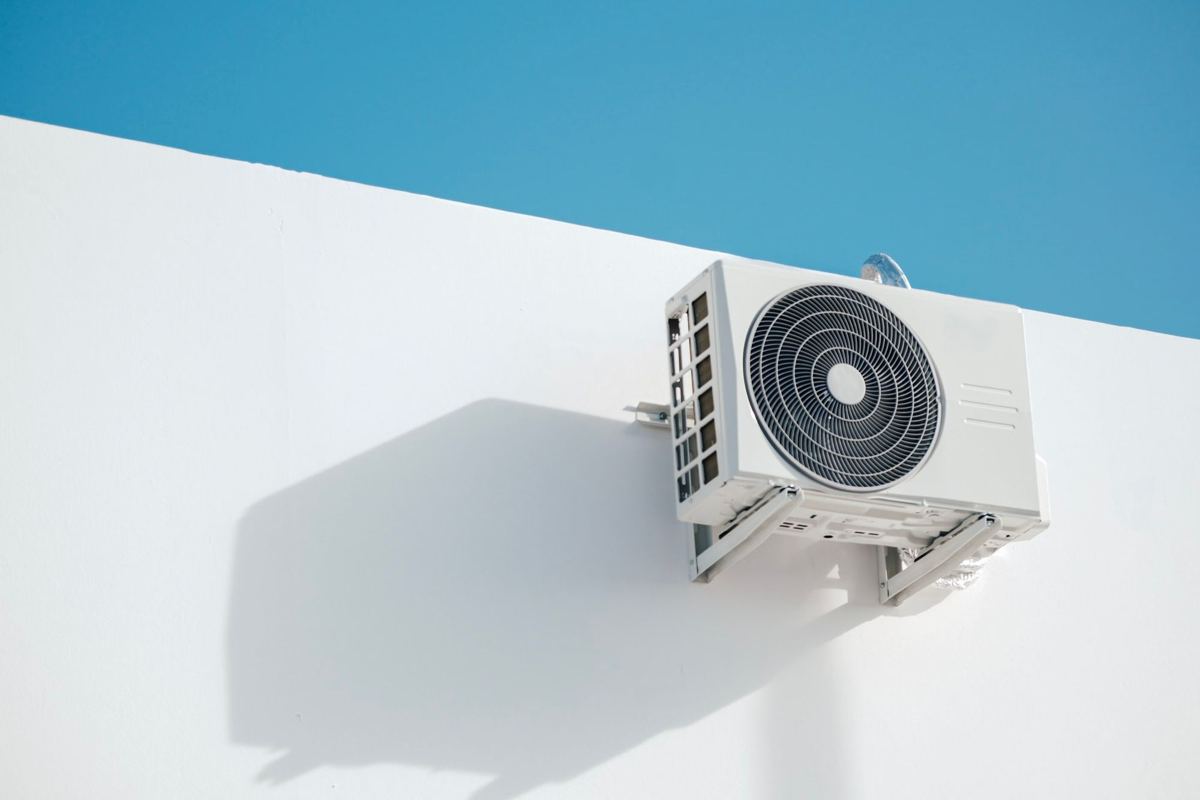
Your ductless mini split worked all summer, and now on the first cold night it's blowing room-temperature air instead of heat. I get emails about this every November. The good news is that most mini split heating failures come down to a handful of causes you can check yourself in about 10 minutes, no tools required.
Key Takeaways
-
Heat mode and correct setpoint are the first things to verify - wrong thermostat settings can prevent heating completely, and Auto mode can flip to cooling on mild days.
-
Normal warm-up and defrost mode cycles can stop indoor heating for 5–15 minutes, especially in cold or damp weather. That's not a failure.
-
Dirty filters and a blocked outdoor unit are the most common causes of weak or barely warm air and are easy DIY fixes you can try first.
-
Low refrigerant levels can stop a mini split from heating, but refrigerant work needs a licensed HVAC technician - shut the system off and call a pro.
How Ductless Mini Splits Heat Your Home
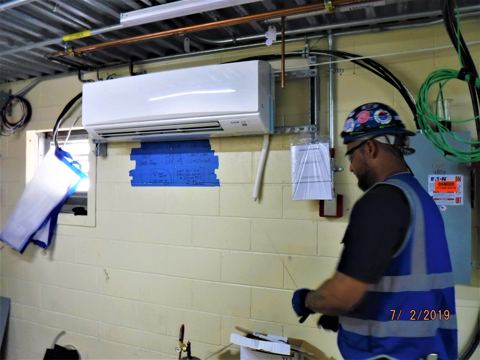
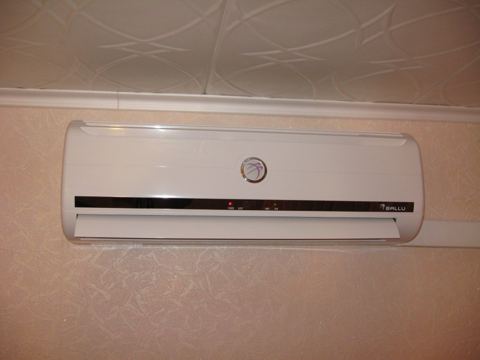
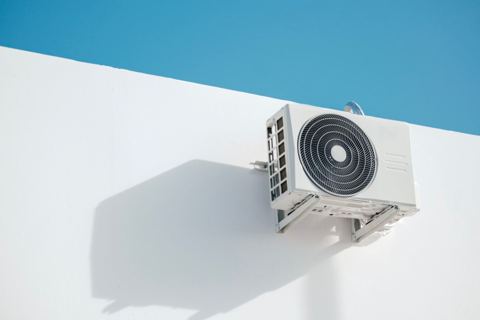
The main parts are simple: an indoor head (wall cassette) with a fan and filter, an outdoor unit with a compressor and coil, refrigerant lines connecting them and a remote that picks heating and cooling modes. A valve inside the outdoor unit switches refrigerant flow so the system can send hot air inside during heat mode and cold air during cooling mode.
These ductless systems depend on good airflow across both coils and the right refrigerant charge. If either is off, both heating and cooling suffer. Mini split heat pumps can only work well in certain outdoor temperature ranges, and standard mini splits lose efficiency when outdoor temperatures drop below 5°F to 17°F.
Here in Mesa, Phoenix Sky Harbor has 4,765 cooling degree days per year against only 874 heating degree days - cooling wins by more than 5 to 1. That means your mini split system runs mostly in cooling mode, and small problems like a slow refrigerant leak or dust buildup can hide until the first cold snap of the heating season.
Quick Heating Checks in 10 Minutes
-
Mini splits often stop the indoor fan during hot-start and defrost mode. That can look like a failure when the system is working correctly.
-
You'll want to put the unit in heat mode, set the temperature at least 5°F above the current room temperature, and wait 10–15 minutes for the unit to warm up and settle.
-
You'll want to hold a thermometer at the supply grille. If supply air is clearly warmer than room air after 10–15 minutes, the system is heating - you may have a circulation or sizing issue, not a hard failure.
-
If the unit won't power on at all, skip to the power and error codes section below.
Check Your Remote and Thermostat Settings
Wrong settings are the most common reason a ductless mini split blows cold air when you expect heat. I've lost count of how many service calls ended with pressing one button on the remote.
Here's what to confirm:
-
The unit is in heat mode (sun icon on most remote controls), not cool, dry or fan. Running in fan or dry mode just moves room-temperature air around.
-
You'll want to avoid auto mode in winter. It can flip back to cooling mode on mild days and start pushing cold air. For consistent comfort, you'll want to use dedicated heat mode.
-
Raise the setpoint at least 5°F above room temperature and pick medium or high fan speed.
Replace weak remote batteries and stand directly in front of the indoor unit when changing modes. Listen for the beep and watch the louvers move. If nothing happens, the signal didn't land.
On multi-zone systems, each indoor head has its own mode and setpoint. One head accidentally left in cooling can fight another in heating if they share an outdoor unit. Check every individual mini split unit on the system.
After changing modes, wait 3–5 minutes. The compressor has a built-in wait before it starts sending warm air. On a heat pump, the O/B terminal drives the valve that switches between heating and cooling, and Y1 runs the compressor in both modes - so if the signal never reaches the valve, you get no heat even though the fan runs.
Airflow Problems and How to Fix Them
Poor airflow is one of the most common causes of weak or barely warm hot air from a mini split, and it is easy to fix. Dirty air filters can slow down heat output from mini split systems, and clogged filters restrict airflow and reduce heating performance. Airflow issues like these can cost U.S. homes about $2.5 billion annually.
Cleaning a dirty filter:
-
Shut power off to the mini split.
-
You'll want to lift the front panel of the indoor unit and slide out the mesh filter.
-
Rinse with barely warm water - no harsh chemicals. You'll want to let it dry completely before you put it back in.
-
Clean or replace air filters every 1–2 months during heating or cooling season. With pets or heavy dust, go more often. Cleaning filters regularly can improve airflow in mini splits a lot.
Indoor clearance: Make sure furniture, curtains or shelves are not blocking the indoor unit's intake grille or the path of air out into the room. Blocked vents or outdoor units can mess with air circulation.
Outdoor clearance: The outdoor unit needs at least 18–24 inches of clearance on all sides. You'll want to trim shrubs to keep them at least two feet away from the unit. Remove leaves, trash and yard debris blocking the outdoor unit, because debris blocking the outdoor unit can reduce heating output a lot. In climates with snow, clear snow and ice away from the coil and fan regularly. Here in Arizona, gently rinse dust off the outdoor coil with a garden hose - never a pressure washer.
A blocked filter or restricted airflow long-term can trigger error codes and even force the unit to slow down to protect itself.
Normal Defrost vs. Real Cold Air Problems
Some behavior that looks alarming - no fan, cool drafts, steam from the outdoor unit - is actually normal when it's cold outside.
Hot-start logic: In heating mode, many units keep the indoor fan off until the coil warms up enough to avoid blowing cold air into the room. This means 2–5 minutes of apparent "nothing" before hot air starts. That's the system working correctly.
Defrost mode: In cold weather, frost builds up on the outdoor coil. Outdoor unit frosting can cause the system to temporarily stop heating. The unit switches to cooling mode briefly to warm the outdoor coil and melt ice - defrost mode stops heating to melt ice on the outdoor unit. You might see steam, the indoor fan may slow or stop. Some models show a "DF" indicator rather than an error code.
Typical defrost cycles last 5–15 minutes and may repeat about every hour in cold or damp conditions. Heating starts up again automatically afterward with normal warm air.
Extreme outdoor temperatures reduce how well a mini split can heat. A frozen evaporator coil can hurt heating performance well beyond what defrost mode can handle. If cold air continues for more than 15–20 minutes outside of a known defrost cycle - especially with warmer outdoor temps - look deeper for problems like low refrigerant or a stuck valve.
Refrigerant, Reversing Valve and Other Internal Problems
Anything involving refrigerant, internal electrical parts or control boards is not a DIY job. It can void warranties and violate EPA rules. Shut the unit off and call a pro.
Low refrigerant: Low refrigerant levels can cause heating performance issues - weak heat, long run times, frozen coils or the unit blowing only lukewarm air or even cold air in heat mode. Low refrigerant can lead to ice buildup on indoor coils. Refrigerant doesn't get "used up." Low levels mean there's a refrigerant leak somewhere. Refrigerant leaks are a common cause of low refrigerant levels, and refrigerant issues can cost U.S. homes about $2.5 billion annually. Only a licensed HVAC technician with EPA Section 608 certification should find leaks, repair them and recharge the system. Handling refrigerant requires that certification - it's federal law.
Stuck reversing valve: A stuck reversing valve can cause no heat but normal cooling. The reversing valve controls whether the ductless mini split is in heating mode or cooling mode by changing refrigerant flow direction. Symptoms include the system cooling fine in summer but blowing cold air or room-temperature air in heat mode, sometimes with an error code.
-
Failed temperature sensors that read coil or room temperature wrong
-
Control board issues that never send the right signal to the compressor
-
Weak compressors that can't build enough pressure for hot air
Check for frozen evaporator coils if heating fails after you rule out simpler causes. If you see oil stains on refrigerant lines, smell burning, hear loud rattling or grinding, or the breaker trips repeatedly, shut the system down and call an HVAC professional immediately.
Power, Error Codes and Calling a Pro
Modern ductless mini splits protect themselves by shutting down and showing error codes when something goes wrong inside. Electrical problems and electrical issues are best left to a pro, but you can safely check a few things first.
-
Verify the indoor unit has power - display or lights should come on.
-
Check the dedicated breaker in the main panel and any outdoor disconnect near the heat pump.
-
If the breaker is tripped, reset it once. If it trips again, stop and call a licensed technician.
Reading error codes: Many units flash LEDs in patterns or show letter-number codes on the display or remote. Write down the exact code before you do anything else. Check the owner's manual or manufacturer's support site for that specific code.
-
Turn the system off with the remote.
-
Switch the breaker off for about 1 minute.
-
Turn the breaker back on, pick heat mode and set temperature.
-
Watch whether the same error code returns.
Call a pro now if you see: repeated error codes after reset, visible arcing or burning smell, refrigerant leak signs, loud mechanical noises or no response from both indoor and outdoor units after a reset.
Preventing Heating Problems with Your Mini Split
Homeowner schedule:
-
Clean indoor air filters every 2–4 weeks during heavy use. At minimum, clean mini split filters every 1–2 months.
-
Visually check the outdoor unit monthly for debris, nests or damage. Clear snow or debris from the outdoor unit on a regular basis.
-
Keep at least 18–24 inches of clear space around the outdoor unit year-round.
Professional maintenance: You'll want to schedule professional maintenance at least once a year, ideally before the main heating or cooling season. A typical pro visit includes coil cleaning, electrical checks, refrigerant charge verification and defrost mode performance checks.
In hot-dominant climates like Arizona, it's easy to forget about heating because cooling mode runs far more hours. But a fall checkup catches small issues - a slight leak, a drifting sensor - before they leave you cold. An unlicensed handyman in Arizona who advertises must include the words "not a licensed contractor" in the ad, so make sure whoever you hire for refrigerant or electrical work holds proper credentials.
Keep a simple log of error codes, noises or performance changes. Clear information helps a technician diagnose faster and saves you money.
Mini Split Not Heating FAQ
Can I add refrigerant to my mini split myself?
No. U.S. law requires EPA Section 608 certification to handle refrigerant. Adding refrigerant without fixing the underlying leak can damage the compressor and void your warranty. Always call a licensed HVAC technician for refrigerant issues.