If your mini split is blowing room temperature air on a 110°F afternoon in Mesa, you don't have time for guesswork. I'm going to walk you through every cause I see in the field-from the 30-second fixes to the problems that need a licensed HVAC technician-so you can figure out what's wrong and get cool air flowing again.
Key Takeaways
-
The three fastest checks when a mini split stops cooling: verify the thermostat settings are on Cool mode, pull and inspect the dirty filter on the indoor unit, and confirm the outdoor unit is running and not blocked by debris.
-
A dirty air filter is the most common cooling issue I run into. Low refrigerant (which always means there is a refrigerant leak), major electrical issues, or a bad compressor are not DIY jobs. They need a licensed HVAC tech.
-
Always shut off power at the disconnect or electrical panel before you clean coils or open panels.
-
In the Phoenix metro, where we rack up 4,765 cooling degree days a year against only 874 heating degree days, cooling is more than 5 to 1. That extreme heat makes even small problems show up as "no cooling" much faster than in cooler climates.
Mini Split Not Cooling? First 5-Minute Checks
Here's how I sort out a ductless mini split that isn't cooling in Arizona homes. Before you panic or call anyone, you can run through these checks:
-
Confirm mode and setpoint. Grab the remote. Make sure it's set to Cool mode, not Fan, Dry or Heat. Set the temperature at least 4–6°F below what the room temperature is right now (for example, 72°F when the room reads 80°F). A mini split that is in fan mode does not cool the air.
-
Check indoor unit airflow. Stand under the inside unit. Feel for air coming out. If the air is weak or barely moving, you likely have a clogged filter or a blower problem.
-
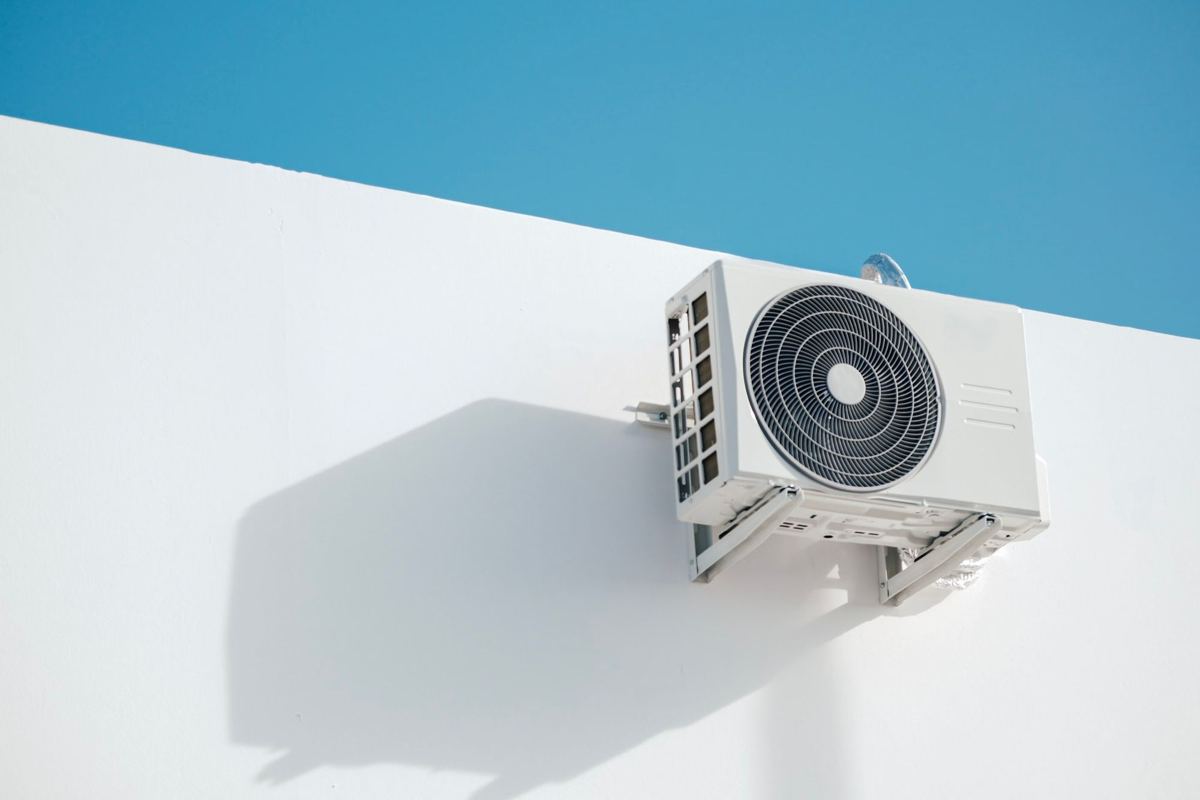
Check the outside unit. Walk out and listen. The compressor should hum and the fan should spin. If the outdoor unit is dead quiet, you may have a tripped breaker or electrical issue.
Wait 5–10 minutes after you confirm Cool mode before you judge how it's doing. If the system is completely dead, no lights, no fans, nothing, skip ahead to the electrical section.
Wrong Mode or Thermostat Settings
Here's what to verify:
-
Mode: Cool, not Heat, Dry or Fan. Fan or dry mode will move air but won't actually remove heat. Some ductless system remote controls default to "Auto," which can switch to heating if the thermostat sensor sits in a cooler hallway.
-
Setpoint: The temperature should be set below what the room temperature is right now. If the room is 82°F and the remote says 85°F, the unit won't call for cooling.
-
Fan speed: Set it to Auto or High initially so you can feel air coming from the vents.
-
Timers/schedules: Make sure no timer is shutting the unit off.
If the display is dim or won't respond, check the remote settings and replace the batteries first. You can reset the mini split to clear up temporary issues. Power it off at the breaker for 1–5 minutes, then restart it. Check the thermostat settings to make sure it's set to Cool before you assume anything else is wrong.
Dirty Filter and Indoor Airflow Problems
The reusable mesh filter sits behind the front panel of the indoor unit.
-
You can shut off power at the unit or breaker.
-
Lift the front cover of the indoor unit.
-
Slide out the air filters.
-
Rinse with warm water (warm, not hot). A simple cleaning under the faucet works.
-
Let the filter dry completely. Reinstalling a wet filter invites mold.
-
Slide it back in and close the panel.
Clean or replace air filters every 1 to 3 months. In Mesa during summer heat waves, I recommend every 2–4 weeks, especially if you have pets or during dust storms in monsoon season.
Blocked Outdoor Unit and Dirty Condenser Coil
You can walk outside with the system off and inspect it:
-
Look for leaves, tall grass, pool toys, storage bins or fencing that is stacked against or on top of the unit.
-
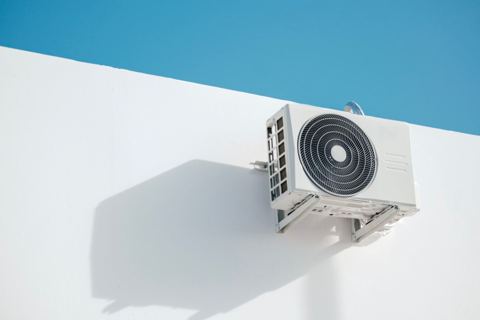
The outdoor unit has to have 18–24 inches of clear space on all sides and open air above. Keep the outdoor unit clear of debris with that minimum clearance so it can function properly.
To clean the outdoor coil safely:
-
You can kill power at the disconnect or breaker.
-
Remove loose debris by hand.
-
Gently rinse the coil fins with a garden hose from the inside out. Never use a pressure washer. It will bend the delicate coil fins and cause more harm than good.
Frozen Evaporator Coil and Defrost Mode
What to do:
-
Power the system off.
-
Open the panel and look inside for frost or ice.
-
Let the ice melt all the way. Give it 2–4 hours.
-
Run Fan mode briefly to dry the coil, then restart it in Cool.
In cold weather, a heat pump mini split's outdoor unit may steam or blow warm air briefly during normal defrost mode. That is not a problem. But if the indoor coil keeps freezing after you've cleaned the filter, that points to deeper issues like a refrigerant leak or a failing fan motor, and that needs a pro.
Condensate Drain and Mini Split Water Leaks
When the indoor coil cools humid air, moisture forms on it and drains through the condensate drain line to the outside or into a pump. In a ductless HVAC system that runs through long Arizona summers, algae, dust and sludge build up fast in that drain line.
- Intermittent cooling with lights that blink or error codes
Homeowner checks: Find where the drain line comes out outside. During cooling, you should see steady dripping. If it's dry, try a wet/dry vacuum on the line end. Don't tear into walls or ceilings to go after hidden drain piping. Call an HVAC professional for inaccessible or pumped condensate runs.
Tripped Breaker and Other Electrical Issues
Safety first: always cut power before you remove covers. Electrical issues can be dangerous and aren't a DIY playground.
Basic symptoms: dead display on the indoor unit, no lights or an outdoor unit that is completely quiet. These often mean a tripped breaker or blown fuse, not a refrigerant or mechanical problem.
How to check your electrical panel:
-
Find the labeled mini split breaker. A tripped breaker sits in a middle position between On and Off.
-
Switch it fully Off, then back On, once. If it trips again right away, stop and call a pro.
-
Check the outdoor disconnect box near the condenser. Make sure any pull-out or switch is pushed all the way in.
Repeated breaker trips, burning smells, buzzing or visible wire damage are red-flag electrical issues that need a licensed electrician or HVAC technician. Internal problems like failed capacitors, control boards or relays are also not homeowner repairs. Trane notes that capacitor failure often causes the outdoor unit to hum or click but not start. That is a symptom you often misread as "running but not cooling."
Low Refrigerant and Refrigerant Leaks
Only EPA Section 608-certified technicians are legally allowed to connect gauges, locate a refrigerant leak, repair it and recharge the ductless system. Running a mini split with low refrigerant can damage the compressor, and compressor replacement is one of the most expensive repairs in HVAC. Refrigerant leaks need EPA-certified technicians for repairs. No exceptions.
If you strongly suspect low refrigerant, shut the system off and schedule service quickly. Signs of low refrigerant include weak airflow and ice on lines.
Sizing Problems, Extreme Heat and Realistic Expectations
Undersized unit symptoms:
-
Runs nonstop but never quite reaches the set temperature on hot afternoons
-
Cools fine at night or on mild days
-
No error codes, clean filters and the system sounds normal
Phoenix's July alone racks up about 945 cooling degree days and August about 910. A unit that is sized for a cooler climate simply can't keep up. SRP estimates a 3-ton variable-capacity (20.0 SEER2) system saves about $370 a year over an old 11 SEER unit, assuming 11¢/kWh and 2,141 cooling hours a year. So efficiency and proper sizing both matter.
An oversized unit causes different problems: short cycling and poor humidity control. But for "split not cooling" complaints, I most often see heads that are undersized or badly placed. If a brand-new, properly installed unit runs fine in spring but can't hold setpoint during 110°F afternoons, suspect sizing, not a defect.
When Mini Split Parts Fail
Common failing parts and their symptom patterns:
-
Indoor fan blows but no cold air: possible compressor failure or refrigerant issue
-
Outdoor unit hums but fan won't start: bad start/run capacitor or fan motor
-
Random shutoffs or wrong mode changes: sensor, thermistor or control board problems
-
Flashing LEDs or error codes in multi-zone systems: communication errors between indoor and outdoor units
Lennox identifies seven major causes of compressor failure including worn capacitors, thermal overload and failing control boards. These need professional diagnosis. They involve live electrical testing, proprietary diagnostics and manufacturer-specific parts. A heat pump mini split also needs a functioning reversing valve for efficient operation, and that's another pro-only repair.
Document your model numbers, error codes and when symptoms occur before you call an HVAC tech. It speeds up diagnosis a lot.
DIY vs Pro Repairs You Can Do
Many "mini split not cooling" problems are simple DIY fixes. What jobs absolutely must go to a licensed HVAC technician?
Homeowner-safe tasks:
-
Checking thermostat settings and replacing remote batteries
-
Cleaning a dirty filter or rinsing the outdoor condenser coil
-
Inspecting the condensate drain line where it is accessible
-
Checking for a tripped breaker at the electrical panel
-
Clearing debris around the outside unit
Pro-only tasks:
-
Opening sealed refrigerant circuits or repairing a refrigerant leak
-
Replacing capacitors, control boards, compressors or blower wheels
-
Altering high-voltage wiring or bypassing safety/float switches
Mini split repair costs vary based on the issue and parts that are needed. Common repairs can range from simple cleaning to replacement of a major part. A standard mini split cleaning costs between $100 and $650. For newer systems, repair costs are usually less than 50% of the replacement cost, making repairs worthwhile. Improper DIY repairs can void equipment warranties and create code or insurance problems.
Preventing Mini Split Cooling Problems
-
Annual maintenance reduces energy use by 5–15%.
-
Regular maintenance extends the lifespan of a mini split to 15–20 years.
Keep a simple log of filter cleanings, service visits and any error codes. Patterns in that log often reveal a developing problem before it becomes a full situation of "cooling properly one day, dead the next." Schedule your professional tune up before peak summer so problems get caught in April, not during a July heat wave.
FAQ
Can a Clogged Drain Line Stop Mini Split Cooling?
Yes. Many mini splits have a float switch in the drain pan that shuts the cooling system off when the condensate drain line backs up. This can prevent water damage to your ceiling or wall. Signs include water dripping from the indoor unit, musty smells and error codes that blink even though the blower may still try to run.
Is It Okay to Hose Off a Mini Split?
Yes, if done correctly. Turn power off at the disconnect, skip the pressure washer and gently rinse from top down with a garden hose so you don't bend the coil fins. Don't spray directly into electrical compartments or remove panels unless you're trained. Does Carrier's repair guide echo this advice for routine condenser maintenance? Carrier's repair guide does.
How do I know if my mini split has a refrigerant leak?
Tell-tale signs: poor cooling with long run times, ice on the evaporator coil or refrigerant lines, higher power bills and sometimes hissing sounds along the line set. Only a licensed HVAC technician with gauges and leak detection tools can confirm a refrigerant leak and safely repair and recharge the system. Low refrigerant levels always show there is a leak.
Repair or Replace Your Mini Split?
Consider replacement if the unit is 12–15+ years old, has a failed compressor or needs a repair whose replacement cost approaches half the price of a new system. In very hot markets like Mesa, upgrading to a newer, higher-efficiency mini split can cut cooling bills a lot while solving ongoing "not cooling properly" complaints from an aging unit.