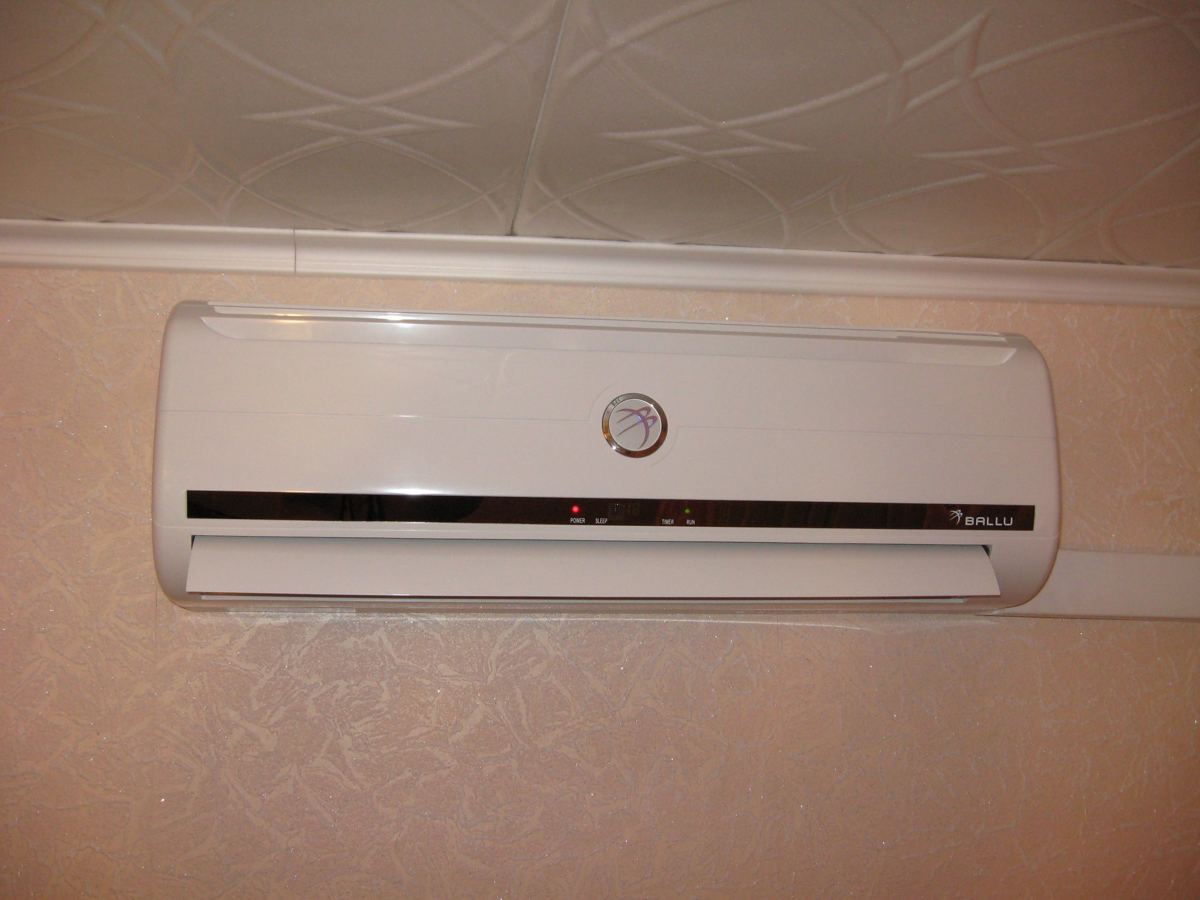
If your mini split turns on, runs for a few minutes, shuts off, and repeats that cycle all day, something is wrong. Here's how to figure out what's going on, what you can fix yourself, and when to call a pro.
Key Takeaways
-
Modern inverter ductless mini splits are built to run for a long time at a steady pace with variable speeds. Rapid on/off every few minutes is short cycling, not normal operation.
-
The most common causes are an oversized unit, a dirty filter that blocks airflow, thermostat or sensor problems, low refrigerant levels from a leak, or electrical issues that trigger protection shutoffs.
-
Short cycling can lead to long-term damage to your compressor, contactors and control boards.
-
In Phoenix summers (106.5°F average July high), a correctly sized mini split air conditioner may run almost all day on hot afternoons. That's normal, not a problem.
-
Filter cleaning and sensor checks are safe DIY work. Refrigerant leaks, electrical connections and board replacements need a licensed HVAC technician.
How Mini Splits Normally Run
I see this question constantly. Mini splits with inverter technology behave nothing like old on/off central AC systems. Instead of slamming to full power and then shutting off, inverter mini splits adjust speed to maintain a steady temperature. The compressor and fan speed modulate up and down, often running quietly for hours at a stretch. Mini splits can run continuously at low power to stabilize temperature and humidity, which is exactly what they're designed to do.
Normal operation looks like this: the indoor fan keeps spinning, the compressor ramps down to maybe 30-40% output, and the room holds its desired temperature without big swings. Mini splits turn off when the set temperature is reached, but in tough conditions they may just throttle down rather than stop.
Short cycling is different. Your mini split turns on, runs 1 to 5 minutes, shuts off, then restarts. Over and over. The room never stabilizes. In July in Phoenix, with a normal high of 106.5°F and a low of 84.5°F, a correctly sized ductless mini split may run almost nonstop through the afternoon. That's not short cycling. That's keeping up with the heat.
On APS's Time-of-Use 4pm-7pm Weekdays plan, on-peak power costs 34.396¢/kWh versus 12.345¢ off-peak. Every time your compressor kicks on at full blast, it pulls peak wattage. Steady, modulated operation costs less than constant restarts.
Quick 10-Minute Checks for a Short-Cycling Mini Split
Before assuming the worst, run through these checks. Most take a few minutes and cost nothing.
Turn power off at the disconnect or breaker before opening any panel or cover.
-
Check your thermostat settings and mode. Confirm the unit is in Cool or Heat, not Auto, Dry or Fan-Only. Make sure the set point isn't already matched to the room temperature. You can fix temporary bugs by resetting the mini split: turn the power off for 30 seconds and back on.
-
Close all doors and windows. Garages, workshops and rooms where patio doors open all the time create rapid load changes that look like system failures.
-
Stand by the indoor unit for one full cycle. Time how long the compressor runs, note whether the air coming out actually feels cold (cooling mode) or warm (heating mode), and listen for unusual noises.
-
Write down any error codes on the indoor display, outdoor board LEDs or remote. Those codes point directly to what tripped.
Why Your Mini Split Turns On and Off
These are the common causes I run into most often in the field.
Dirty filter or clogged coil. A dirty air filter can block airflow, and blocked airflow can cause the system to overheat or freeze, leading to shutoffs. The unit ices up, hits a protection limit, shuts off, thaws and starts back up. Dirty filters are the single most frequent cause I see.
Oversized mini split. An oversized mini split may short cycle often. Picture a 24,000 BTU ductless mini in a 250 sq ft bedroom: it hits the target temperature in minutes, shuts down, drifts and fires back up. Oversized units often cause short cycling issues and leave the room feeling clammy because the system never runs long enough to pull humidity.
Thermostat or sensor problems. Mini splits use sensors to monitor room temperature for regulation. Faulty sensors can lead to inaccurate temperature readings and short cycling. Wrong thermostat placement near a sunny window, a lamp or a supply vent can cause a unit to turn off prematurely because the sensor thinks the space is already at the set temperature.
Low refrigerant levels. Refrigerant doesn't get used up. Low refrigerant levels can trigger short cycling behavior and eventually cause compressor shutdown through low-pressure safety trips. Hissing sounds, ice buildup on refrigerant lines or coils, and weak cooling are the signs. This is a licensed tech job, every time.
Electrical or control issues. Bad boards, failed relays or intermittent power can cause the ductless HVAC system to reboot or shut off mid-cycle. Electrical issues can cause intermittent operation or unexpected shutoffs. Repeated breaker trips or a burning smell means power off, call a pro.
Normal Cycling vs Short Cycling
Use your phone timer. Time one full cycle: compressor start, ramp-down, stop and next restart. If cycles shorter than 3 to 5 minutes keep happening and the room never reaches a steady temperature, that's short cycling. Longer runs of 15 to 30 minutes with gentle fan speed changes are typical inverter behavior.
In spring or on mild Phoenix evenings around 78-80°F, the mini split system may idle or pause more because the cooling load is light. That's fine. Big solar gain through west-facing windows or frequent door openings can also make a ductless mini split ramp up and down without being defective. Factor in how the room is used before diagnosing a fault.
Jot down your timing so a technician gets real data instead of "it just turns on and off a lot."
DIY Airflow, Filter and Sensor Checks
Airflow and sensor errors are the cheapest, safest place to start.
-
Filters. Open the indoor head, pull out the screens you can reuse, vacuum or rinse them, dry them fully and put them back in. A dirty filter can block airflow and wreck mini split performance. In dusty climates or homes with pets, clean every 4 to 6 weeks. The NWS describes Arizona dust storms as walls of dust and debris that move forward and may be miles long and several thousand feet high. A single storm can cake your filters in minutes.
-
Indoor unit clearance. Nothing should block the return or supply air. No shelves, curtains or furniture within several inches of the indoor units.
-
Outdoor unit clearance. Clear leaves, debris and cottonwood fluff at least 18 to 24 inches around the outdoor coil. Blocked outdoor units can prevent proper heat release and force protection shutoffs.
-
Sensor check. Look for lamps, TVs or direct sunlight hitting the indoor unit's thermistor area. Move heat sources away.
-
Remote and "Follow Me" mode. Some remotes act as the temperature sensor. Leaving the remote on a hot windowsill tricks the system. Move it to a shaded, central spot.
Retest for 15 to 20 minutes after cleaning. If the short cycling stops, you caught it.
When Size, Refrigerant or Power Is the Problem
If the simple checks didn't help, the root cause may not be DIY-fixable.
Oversized unit clues. Big temperature swings, high humidity and rapid cycling in a small, well-insulated space. Proper unit sizing prevents short cycling in mini splits. Compare your installed BTU capacity to a Manual J load calculation. Oversized mini splits may shut off too quickly after reaching temperature.
Undersized unit clue. The opposite pattern: undersized units run constantly at full capacity and still can't reach the desired temperature on very hot or very cold days. Not short cycling, but still a sizing problem.
Low refrigerant signs. Ice on the indoor or outdoor coil, hissing from refrigerant lines, reduced cooling capacity and error codes after a few minutes of run time. Low refrigerant levels can cause compressor shutdown through safety trips. Refrigerant leaks need leak detection, recovery and recharging by a licensed professional.
Error codes. Cross-check any codes with your manual. Modern ductless mini splits deliberately shut down the compressor to prevent damage when sensors detect a problem.
Electrical red flags. Repeated breaker trips, burn smells or visible wiring damage at electrical connections are hard stops. Turn the system off and call an HVAC technician.
Improving Mini Split Performance Long-Term
Phoenix averages 111 days a year at 100°F or hotter. Your mini split system needs every advantage to circulate air and transfer heat without strain.
-
Maintenance. Clean indoor filters every 4 to 6 weeks. Schedule a professional coil cleaning and inspection once a year.
-
Insulation and sealing. Better attic insulation, sealed can lights and weatherstripping reduce the system's load so it can run at low power instead of chasing heat gain.
-
Sun and shading. Blinds, window film or exterior shades on west and south windows cut solar gain and reduce how hard the ductless mini split works.
-
Smart controls. Gentle thermostat settings changes (2-3°F adjustments) reduce short cycling. Avoid big setback swings.
-
Time-of-use strategy. On APS's 4-7 p.m. peak window, pre-cool your home before 4 p.m. using off-peak electricity at 12.345¢/kWh, then let the temperature drift a couple degrees during peak hours instead of running the compressor at full power at 34.396¢/kWh. In winter, a 10 a.m.-3 p.m. weekday super off-peak rate of 3.495¢ makes heating in the middle of the day nearly free.
-
Keep notes. Log maintenance dates, filter cleanings and any error codes. Patterns in mini split performance are easier to spot with a written record.
FAQ
Here are questions I hear from you that didn't fit neatly above.
Is it normal for my mini split to turn off at the set temperature?
Yes. Even inverter ductless mini splits will occasionally shut the compressor off once the room holds the set temperature, especially in mild weather or winter. As long as off-periods last several minutes or longer and the room stays comfortable, this is normal cycling. The system's ability to modulate means it often slows down before fully stopping.
How often should I clean the filter on my ductless mini split?
Check monthly. Clean at least every 1 to 3 months in average conditions. Every 4 to 6 weeks if you have pets, live in a dusty region, or run the unit heavily. Clogged filters are one of the top causes of poor efficiency and on/off cycling from overheating or ice buildup.
Can short cycling damage a mini split?
Yes. Frequent on/off cycles wear out compressors, contactors and electronics faster than steady operation. Fix airflow and sensor issues first. If short cycling continues after basic maintenance, call a technician before the damage adds up.
Do ductless mini splits always run 24/7 in summer?
In very hot climates, a correctly sized inverter mini split may run for many hours a day, but usually at low, efficient power once the space is cooled. Running nearly continuously at a gentle speed is easier on the system than repeatedly turning on and off at full blast. Did you know Phoenix had 39 nights in 2024 when the low never dropped below 90°F? On those nights, expect the unit to run longer than usual.
What should I tell a technician if I need help with my short cycling mini split?
Have the model number, approximate age, any error codes and your timing notes (how many minutes on, how many off). Mention what you already tried: filter cleaning, power reset, sensor repositioning. A short phone video of the outdoor unit starting and stopping helps the tech pinpoint whether the process involves airflow, control or refrigerant before they arrive.