Key Takeaways
-
Mini splits are built to run quiet, so if yours starts making new loud noises, or banging sounds or a clicking noise that doesn't stop, that almost always means something needs attention.
-
If you hear banging, grinding or electrical buzzing, it's a good idea to turn the system off at the breaker right away, then check both the indoor unit and outdoor unit with your eyes for obvious problems.
-
Some sounds are fine. You might hear soft clicks when the unit starts, light plastic creaks from thermal expansion, or a light compressor hum. Hissing, strong humming noises or metal-on-metal scraping are not fine.
-
You can safely clean air filters, tighten loose screws and clear debris. Anything that involves refrigerant or sealed electrical components has to be left to an EPA 608–certified technician.
Mini Split Making Noise? Start Here
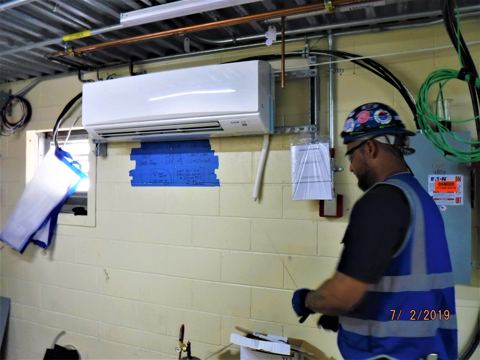
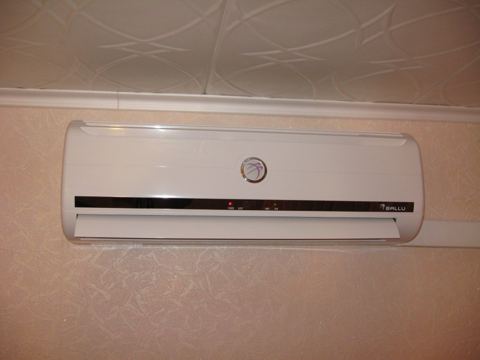
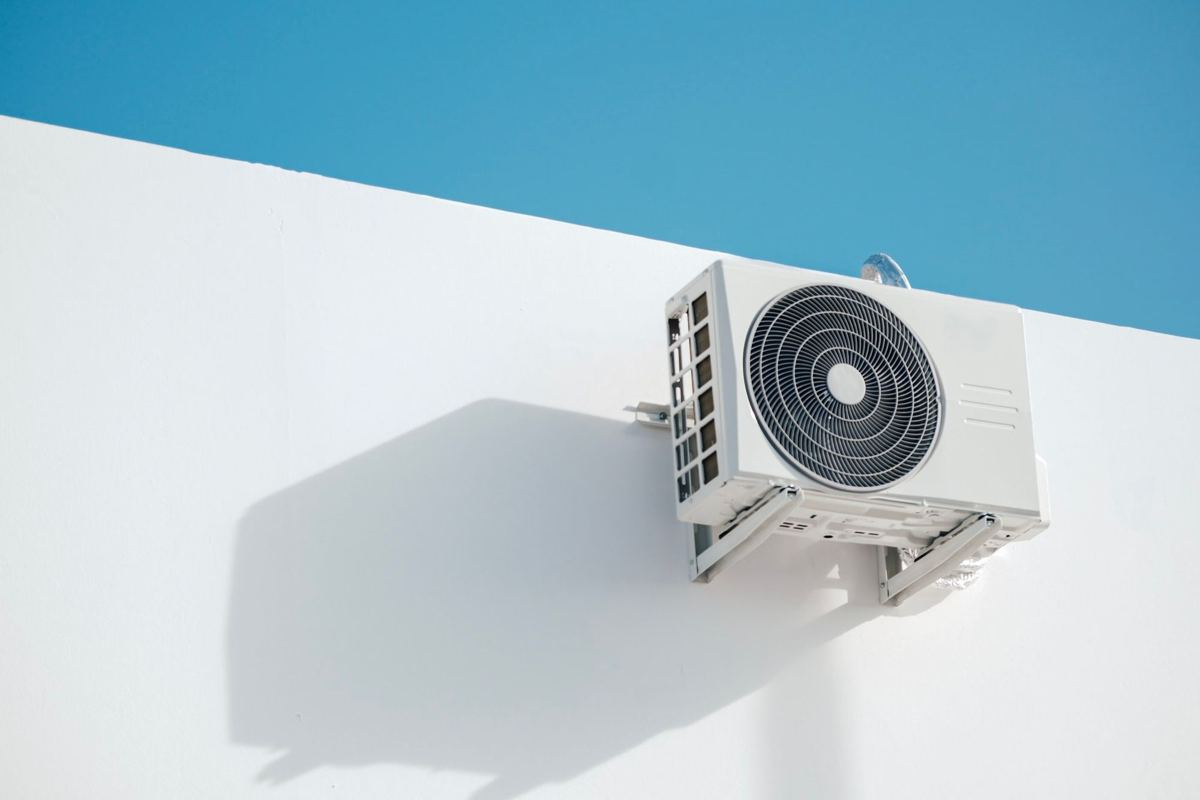
I'm an HVAC guy in Mesa, AZ and one of the most common calls I get starts with "Why is my mini split making noise?" A mini split system - also called a ductless system - has an indoor unit (the wall-mounted head) and an outdoor unit (the condenser with the compressor and fan). Both of them can be sources of unusual noises.
This article walks through common mini split noises, what they usually mean, quick DIY checks and when to shut it down and call a pro. One rule before we start: always turn off power at the disconnect or breaker before you touch the unit. And refrigerant work legally requires EPA 608 certification - Type II or Universal for mini splits. Certification never expires, but you still need it.
What's Normal Noise from a Mini Split?
-
A gentle fan whoosh from the indoor head, especially on higher speeds
-
A light compressor hum from the outdoor unit
-
Very light clicking sounds when the system starts, stops or changes modes
Popping or clicking noises can also come from normal thermal expansion or contraction - plastic covers and metal coils shifting slightly as Mesa goes from a 110°F afternoon to a cooler evening. That's just physics. A healthy mini split should blend into background noise. Most indoor units run at 27–50 dB(A), roughly a whisper to light conversation.
If a new sound suddenly shows up or an existing noise gets noticeably louder over a few days, treat it as unusual sounds that deserve attention.
Mini Split Noises and What They Mean
-
Rattling or crackling: often loose panels, screws or a line set cover that is vibrating. Could be a loose fan shroud or dirty fan blades that throw the blower off balance. Usually OK to monitor.
-
Banging or clanking sounds: likely a loose or broken fan blade, or debris inside the outdoor unit that is hitting the fan. Shut off and inspect.
-
Clicking sound or repetitive clicking noise: can be relays, a control board issue or fan blades that are grazing wiring. DIY-safe to check visually.
-
Buzzing or humming: can point to electrical issues in the compressor, contactor or fan motor, but sometimes it's just loose sheet metal vibration. Check panels. Call a tech if it's loud.
-
Whistling or hissing noise: may show a refrigerant leak, or just air that is whistling through a clogged filter. Shut off if cooling drops.
-
Grinding or scraping: often a bad bearing or severe damage to the fan motor. Turn off immediately.
Rattling or Vibrating from Loose Parts
Common causes include a loose front cover or side panels on the indoor unit, loose screws on the outdoor condenser's fan guard, or a line set cover that is humming against the wall. Dirt buildup on the blower wheel can also throw it off balance, and that creates vibration at certain speeds.
DIY steps (power off first):
-
Press on the indoor unit's front cover and side edges to see if the rattle changes
-
Snug visible screws on both indoor and outdoor cabinets. Don't overtighten into plastic
-
Check if PVC drain lines, line hide or conduit are touching the structure and humming
When tightening doesn't fix it, a warped blower wheel or failing motor bearing is likely the culprit and it needs a professional technician.
Banging or Grinding Means Shut It Down
Usual suspects: a loose fan blade in the outdoor unit that is hitting the cover, an indoor blower wheel that is cracked and hitting the housing, or debris like rocks and branches inside the outdoor fan area. Continuing to run the unit with a bad bearing or fan blade that is rubbing metal can burn out the motor or cause permanent damage to the coil.
Immediate actions:
-
Turn the mini split system off at the thermostat AND at the breaker
-
Visually inspect the outdoor fan area through the grill for obstructions or a bent fan blade. No fingers inside
-
Do not try to bend aluminum blades back. Off-balance blades can shake the whole outdoor unit apart
Clanking from inside the compressor is not something you can fix yourself. When in doubt with loud noises, it's safer and cheaper in the long run to shut down and schedule mini split AC repair.
Normal vs Problem Clicking Noise
Normal clicking:
-
A few soft clicks when the system starts or stops as relays engage
-
Clicks when louvers move or the system is switching between cooling and heating modes
Problem clicking:
-
Rapid, clicking that keeps happening from the outdoor unit that doesn't lead to startup. Possible control board or relay issue. Electrical relay issues can produce clicking sounds in mini splits.
-
With the fan stopping or lights blinking, you might hear a periodic loud click from the indoor head
-
Clicking that matches fan rotation. Obstructed fan blades can create clicking noises that keep a beat, and that means something is hitting once per revolution
Buzzing and Hissing from Electrical or Refrigerant
These are higher-priority strange noises because they can signal electrical problems or a refrigerant leak.
Buzzing and humming: A buzzing sound can come from loose electrical components or just line set vibration. More concerning: a loud, harsh electrical buzz can indicate a failing contactor relay or loose wiring. Buzzing may occur if the compressor handles too many amps. Electrical components can cause buzzing or humming noises, and persistent buzzing or grinding often indicates a problem. Buzzing noises may indicate electrical issues in the unit and should be inspected by a licensed technician.
Hissing and whistling: A hissing noise often signals a refrigerant leak at a flare connection or damaged coil. Continuous hissing accompanied by reduced cooling or uneven cooling should be checked by a technician immediately. A brief whoosh when the system changes modes is normal refrigerant equalizing. Whistling at the indoor head may simply be air squeezing past clogged filters - cleaning air filters can resolve increased noise levels.
Homeowner steps:
-
If you hear continuous hissing and notice weak airflow or poor cool air output, shut down and call a pro. Refrigerant is not a DIY job
-
If it sounds like air whistling, it's a good idea to clean or replace the filter first, then check that nothing blocks the return grille for good airflow
Any work opening the refrigerant circuit requires an EPA 608–certified technician.
Mini Split Making Noise When Off or Between Cycles
Mini splits can make sounds even when the wall controller says "Off."
-
Expansion/contraction: Soft pops or creaks from the plastic chassis or copper line set as temperatures change are often harmless.
-
Electrical components: Occasional single clicks from relays or crankcase heaters that are cycling, even when you think everything is off.
When "off" noises become a concern: loud buzzing from the outdoor unit with no fan movement, repetitive on/off clicking every few seconds, or bubbling at the line set connections. If the system keeps making noise every few minutes while it is off, flip the breaker overnight. If the noise stops, it's a good idea to call for service before turning it back on.
DIY Checks to Quiet Mini Split Noises
These are basic, non-invasive checks. Anything beyond this should wait for a pro so you don't void warranties or break EPA rules.
-
Kill power at breaker or disconnect before you remove any covers
-
Clean or replace indoor air filters every 1–2 months. A clogged or heavily dust-caked air filter can cause a strained blower fan noise, especially in dusty Mesa environments
-
Vacuum or gently brush the indoor coil fins and the inlet for the blower
-
Inspect and snug accessible cabinet screws on both units. Check wall mounts and mounting bolts for vibration
-
Inspecting outdoor units for obstructions can help address noise issues. Clear leaves, rocks and debris from around the fan guard
-
Check condensate drain lines for kinks or clogs that cause gurgling
-
It's a good idea to record where the noise comes from and how it acts to help diagnose issues later
Do not open sealed electrical compartments, disconnect refrigerant lines or attempt to service other components inside the compressor housing.
When to Call a Pro
Call now if you hear or notice:
-
Loud banging, clanking or grinding from either unit
-
Strong electrical buzzing with the unit struggling to start or tripping breakers
-
Continuous hissing with reduced efficiency or poor heating and cooling
-
A burning smell combined with unusual noises
-
Error codes or blinking lights alongside a similar noise pattern
On a service call, I listen to the system running to match the sound with likely causes. I open covers and inspect fan wheels, motors, bearings and mounting hardware. I check flare joints and coils for oil stains pointing to refrigerant leaks, and test capacitors, motors and the control board with proper meters.
Here in Mesa, many homeowners run mini splits hardest during SRP's expensive on-peak hours. On SRP's E-28 plan, one July kWh at 7 p.m. costs about six times more than one at 1 p.m. - roughly 39.82¢ versus 6.23¢. Fixing issues early keeps your equipment running efficiently when every kWh matters most, preventing costly repairs.
Before you call, gather this info:
-
What mode it's in (cool, heat, dry)
-
Where the noise seems to come from (indoor vs outdoor)
-
When it happens (startup, constant, shutdown, when off)
-
Any error codes on the display
FAQ
Is It Safe to Keep Running My Mini Split If It's Making a New Noise?
Mild new noises like a slight rattle or small plastic creak can be observed for a day while you do basic checks. But anything loud, metallic or electrical-sounding should prompt shutting it off at the breaker. Continuing to run a mini split with banging, grinding or strong buzzing can quickly turn a small repair into severe damage like a burned-out compressor or motor. If you're unsure, record a short video with sound and share it with a local HVAC company. Many can about triage by ear.
Do Some Mini Split Brands Make More Noise?
Higher-end brands often publish lower decibel ratings and use variable-speed compressors that are naturally quieter during operation. But installation quality matters as much as brand. A poorly mounted premium unit can rattle more than a budget unit installed correctly with solid brackets and good vibration isolation. The national minimum for split-system heat pumps made since 2023 is 14.3 SEER2 and 7.5 HSPF2, and units built to higher standards often use quieter inverter technology. When you're choosing a new system, look at both sound ratings and the installer's reputation.
Can You Lubricate a Mini Split Fan Motor?
Most modern mini split fan motors are sealed and not designed for you to lubricate. Forcing oil in can damage seals or attract dust that makes things worse. Usually a fan motor that's squealing or grinding is a sign of a bad bearing that needs replacement, not lubrication. That work should happen through a technician. Focus your effort on keeping fan blades clean and filters fresh, and leave internal motor work to pros.
Why Does My Mini Split Get Louder in Extreme Heat?
In extreme heat, like Mesa's 110°F afternoons, the outdoor unit has to work harder, so the compressor and fan speeds ramp up. The system has to push harder to keep your home comfortable, and a slight increase in hum is normal under heavy load. But sudden new rattling, clanking or buzzing isn't just "hot weather noise" and should be checked. Running a struggling, noisy mini split during expensive peak hours wastes power and money, so repairing issues early saves on those high on-peak kWh rates. Among all HVAC systems, mini splits are some of the most efficient, but only when they're in good shape.