
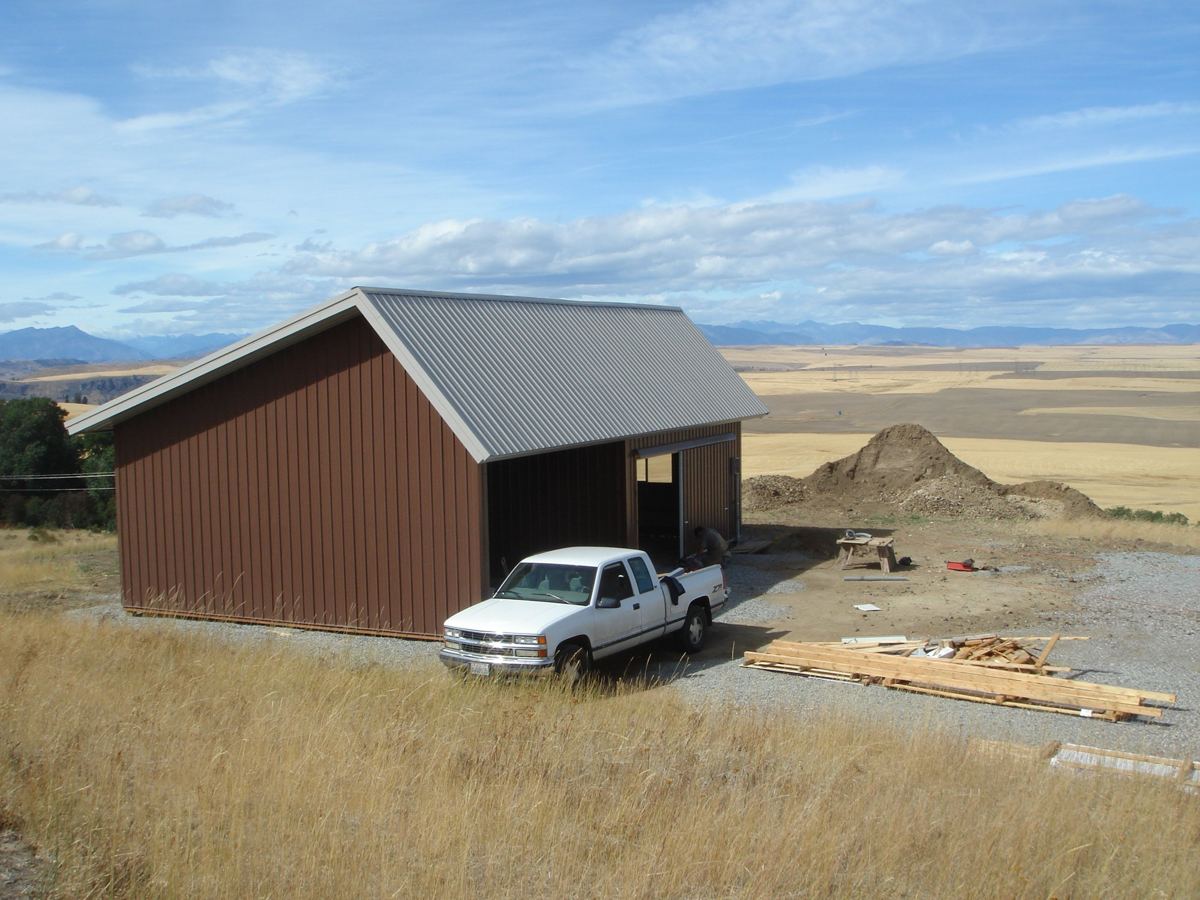

If you own a pole barn or you're planning to build one, figuring out how to keep it comfortable year-round is one of the most important decisions you'll make. The wrong setup can waste money and can leave you sweating in July or freezing in January. This guide walks you through every practical option for heating and cooling a pole barn, from insulation basics to equipment choice, so you can match the right system to your climate, budget and how you actually use the space.
Quick Answer: Best Heating and Cooling Options for a Pole Barn
For most insulated pole barns used year-round, the best all-around solution is a ductless mini split heat pump system that is sized right and combined with good insulation and ceiling fans. Heat pumps can provide both heating and cooling through the same equipment, and mini split systems don't need any ductwork for install, which can avoid the cost and energy losses of traditional duct work in a metal building.
Three main setups tend to work for pole barn heating and cooling:
- Radiant floor + ceiling fans - This can work best for cold climates and full-time shops. Warm water runs under the concrete floor to spread the heat evenly, and ceiling fans push that warm air back down from tall ceilings.
- Mini split heat pump - This is the most flexible option for controlling the climate all year round. It handles both heating and cooling, works in moderate to cold climates (cold-climate models operate efficiently down to -15°F), and lets you condition only the areas you need.
- Propane or forced air heater + simple cooling - This can be cheaper if the barn is used mostly in winter or occasionally in summer. Pair a gas-fired heating unit with fans or window AC units for basic comfort.
Here's a concrete example: in a 30x40x12 insulated pole barn in Wisconsin built in 2022, a 36,000 BTU mini split heat pump can usually maintain 65–70°F in winter and 72–75°F in summer when paired with R-19 wall and R-38 roof insulation. The rest of this article will walk you through how to choose among these options based on your climate, building size and usage pattern.
Start With Insulation and Building Envelope, Not Equipment
_(42198296981).jpg)
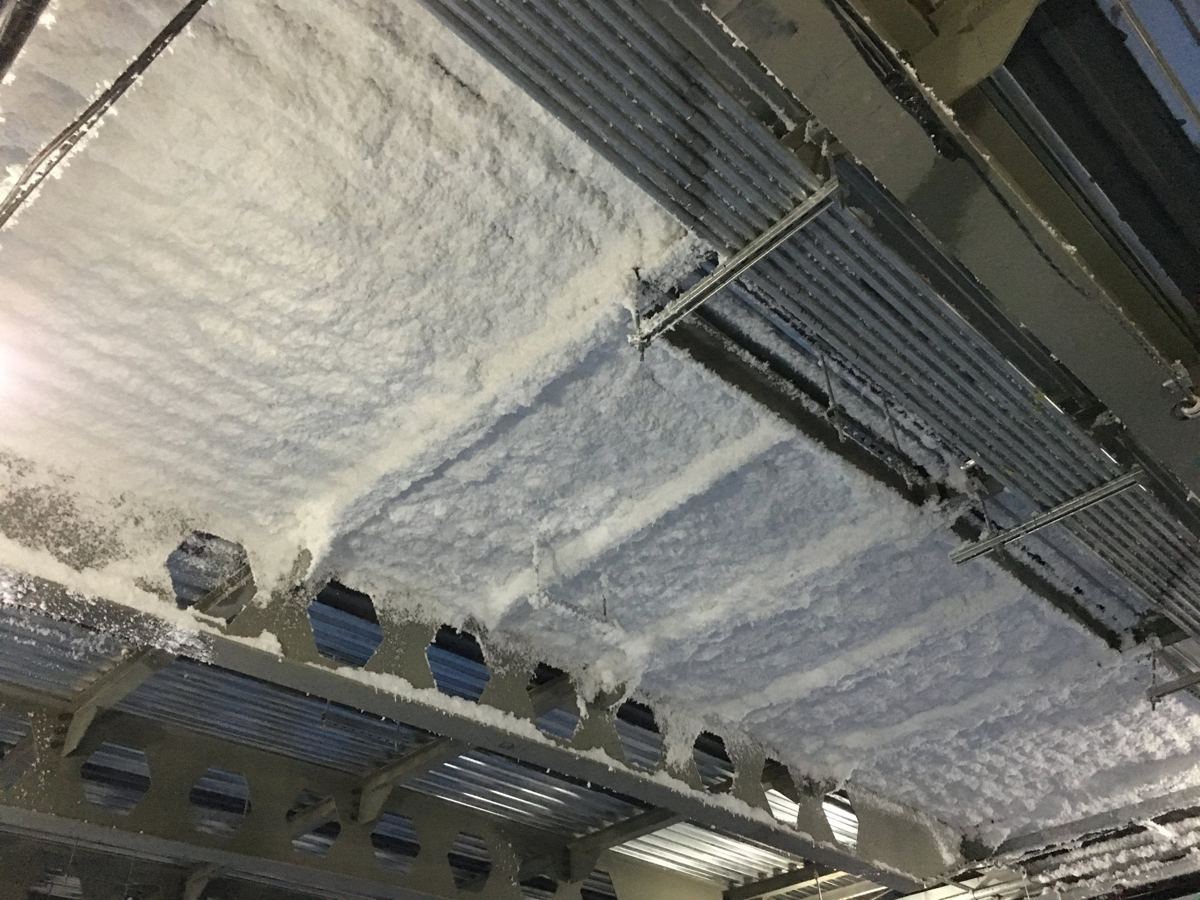
No heating or cooling system can perform well in a drafty, uninsulated pole building. Sealing air leaks is critical to prevent heat loss and heat gain in pole barns, and a properly sealed thermal envelope is essential for controlling the temperature. Adding insulation and sealing air leaks can often cut energy use by 30–50% in metal-sided structures. Most efficiencies of HVAC systems will depend on the building's insulation and air sealing-fix the envelope first, then pick equipment.
Insulation quality can impact the effectiveness of heating and cooling systems a lot. Common types of insulation for buildings with post frame construction include these:
- Fiberglass batts in framed walls - cheap and familiar, but they need a vapor barrier that is sealed properly
- Closed-cell spray foam on metal siding and roof panels - this is considered the gold standard for insulating pole barns because spray foam insulation effectively seals small gaps while delivering high R-value per inch
- Rigid foam boards for the perimeter of the slab, foundation areas and overhead doors
- Radiant barrier or reflective roof coating under the metal roof deck - a reflective roof coating reduces the heat load at the ceiling in barns, especially useful in hot climates
R-value goals vary by climate. In colder states like Minnesota, Michigan and Wisconsin, you should aim for walls at R-13 to R-19 and roof or ceiling at R-38 to R-60. Milder zones can get by with walls R-13 and roof R-30 to R-38. Enough insulation under concrete slabs is necessary for heating efficiently-without insulation at the slab edge, heat leaks into the ground.
Typical problem spots include gaps at the eave and ridge, around overhead doors, the perimeter of the slab, and around windows. You should seal these with spray foam, weatherstripping and sill seals. Proper insulation keeps indoor temperatures steady, helps reduce condensation on metal surfaces, and makes every heating system more efficient. Thermal breaks in metal framing can prevent heat transfer and the buildup of condensation at post and purlin connections. Pole barns built before about 2005 often have little to no insulation, while many post frame buildings built after 2015 were designed with energy codes in mind.
Improve Airflow With Proper Ventilation and Ceiling Fans

Proper ventilation improves airflow in pole barns and it's equally needed for comfort and moisture control as insulation is. Without good air movement, heat stratifies badly in buildings with high ceilings-warm air pools above while you freeze at floor level.
Natural ventilation strategies:
- Ridge vents along the roof peak combined with soffit vents create passive airflow. Natural ventilation systems can help move warm air out and pull cooler air in
- Gable vents and windows that open or wall vents support cross-ventilation
- Good ventilation manages moisture and condensation inside barns, protecting storage of tools and equipment
Powered and fan-based strategies:
- Exhaust fans remove humid or very hot air, especially in summer
- Using fans can help circulate air and improve heating and cooling efficiency in tall buildings
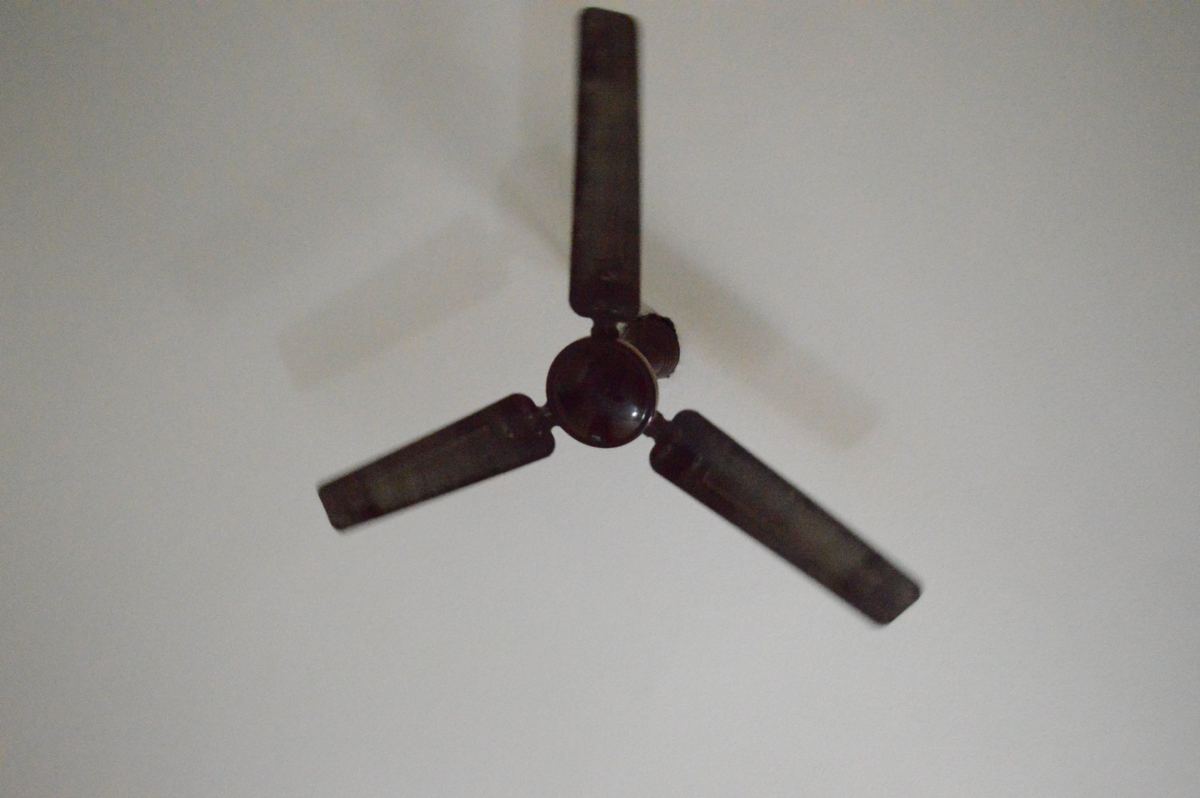
- Ceiling fans enhance cooling by improving air circulation at the level where people are working
- High-volume low-speed ceiling fans can create a wind-chill effect and improve comfort in large spaces with tall ceilings
Summer setup: Run ceiling fans with blades pushing air downward, open soffit and ridge vents, and use exhaust fans to push out hot spots near the roof.
Winter setup: Reverse the direction of the ceiling fan to draw cool air up and push trapped warm air back down. Close off vents partially to reduce infiltration, but maintain enough airflow for moisture control. Ventilation is crucial for preventing mold growth in pole barns, and effective ventilation strategies matter for both summer comfort and winter moisture control. Proper ventilation can also protect insulation and metal building parts over time.
Heating Options for Pole Barns: From Radiant to Forced Air

Your heating options will depend on whether the pole barn serves as a daily shop, equipment storage, animal housing or one of the many hobby spaces you create for workshops or home gyms. A weekend woodworking area or home gym calls for different comfort-focused heating choices than a full-time mechanic's building.
Radiant floor heating circulates warm water beneath the concrete floor through PEX tubing that is embedded in the slab. It provides comfortable warmth by heating objects and people directly rather than blowing hot air around. It's good for new construction where tubing can be installed when the slab is poured. Even distribution of heat eliminates the cold floor problem common in post frame buildings.
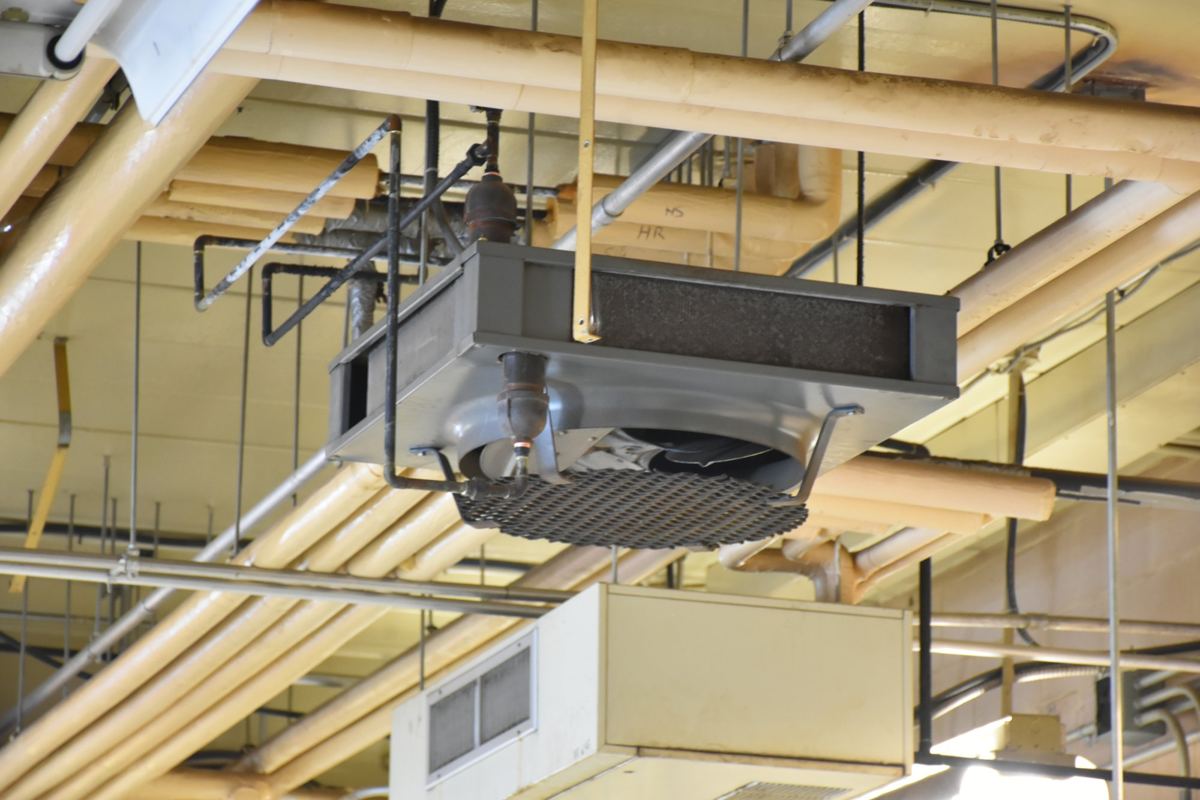
Forced air systems are the most flexible option for climate control. Natural gas or propane forced air unit heaters can heat large spaces fast in cold climates. Ducted furnaces work well in finished spaces, while unit heaters mounted on the ceiling suit open shops. Furnaces can achieve 78% to 96% efficiency ratings, and forced air systems can efficiently heat and cool multi-use spaces when paired with air conditioning.
| Heating Option | Pros | Cons |
|---|---|---|
| Radiant floor | Even heat, low operating costs, silent | High upfront cost, slow response, must install during construction |
| Mini split heat pump | Heats and cools, efficient, no ductwork | Capacity drops in extreme cold without cold-climate unit |
| Forced air (propane/natural gas) | Fast heat, strong output, familiar | Fuel cost, uneven heat in spaces with high ceilings, combustion safety |
| Wood or pellet stove | Low fuel cost in rural areas | Safety concerns, labor-intensive, emissions, requires venting |
A 40x60x14 somewhat insulated post frame building in Ohio may need in the range of 80,000–120,000 BTU/h for comfortable winter use at 65–70°F. Using a programmable thermostat can save energy by adjusting temperatures based on usage patterns-dropping to 50°F overnight if the space sits empty.
Mini Splits and Heat Pumps: Year-Round Climate Control
.jpg)
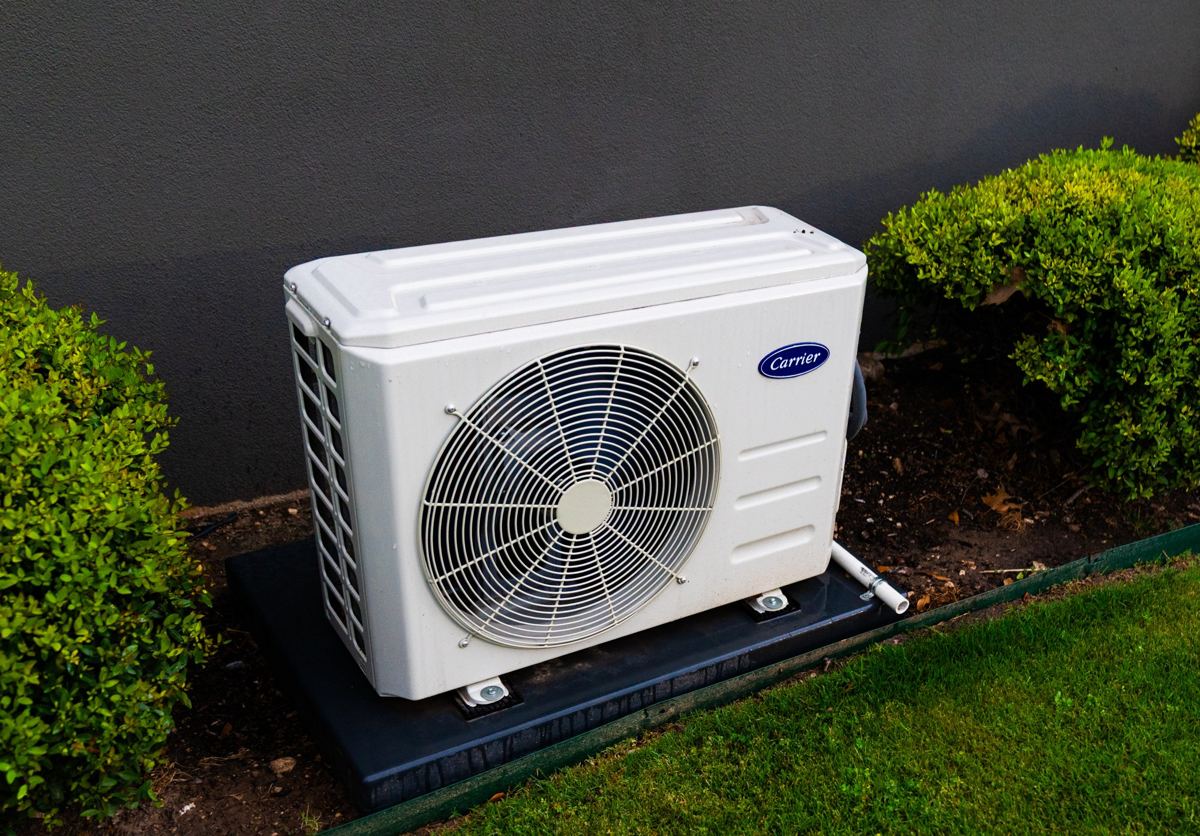
Between about 2015 and 2026, ductless mini split heat pumps have become the go-to solution for pole barn climate control. They can provide targeted heating and cooling for specific areas without the expense of traditional ductwork. The terms can be confusing: "mini split," "ductless heat pump," and "multi-zone mini split" all describe systems that transfer heat via refrigerant lines between an outdoor condenser and one or more indoor units.
In a pole barn, indoor units mount on the wall or as ceiling cassettes, connected to the outdoor condenser by small refrigerant lines. Mini split systems don't need any ductwork for heating and cooling, which means greater efficiency since you avoid the 20–30% energy losses common in exposed duct work. Partitioning a pole barn can lead to energy savings by zoning heating and cooling-mini splits can reduce energy waste with multi-zone systems that condition only the areas in use rather than heating or cooling the entire building.
Ductless mini split systems need careful sizing because of the large spaces in pole barns. A 1,200 sq ft insulated pole barn with 12 ft ceilings in Indiana built in 2020 usually needs a 24,000–36,000 BTU mini split system, depending on how airtight the shell is and how warm or cool you want it. Proper sizing is crucial for mini split system performance-oversized units short-cycle and waste money, while undersized units run constantly.
Cold-climate heat pumps have improved quite a bit in recent years. Modern units maintain heating output down to -15°F to -20°F, with some models rated to -22°F ambient. You should look for high HSPF2 ratings (heating efficiency) and Energy Star certification when comparing units.
Cooling Options for Pole Barns: From Ceiling Fans to Central AC
Cooling options for your pole barn depend on square footage, insulation level and whether you're in the space daily or just occasionally during hot months. Proper insulation improves cooling system efficiency a lot-without it, you're fighting a losing battle against radiant heat pouring through metal panels.
- Ceiling and circulation fans - These are enough for partially enclosed equipment sheds or barns where you just need air movement. Low cost, little maintenance.
- Window-mounted AC units - Cost-effective for small areas like an enclosed office corner or a hobby space that is divided off. Limited reach in open, tall spaces.
- Ductless mini splits - This is the best option for active cooling in a pole barn. Mini split systems don't need ductwork for cooling and handle both heating and air conditioning through one system. A 1,200 sq ft pole barn may need a 36,000 BTU system for enough cooling.
- Central ducted AC - This makes sense for a fully finished post frame building used as an office, barndominium or commercial shop. Higher total cost but serves the entire building evenly.
- Radiant barriers - Radiant barriers can reduce cooling loads by blocking radiant heat transfer from the roof, lowering how hard your cooling systems have to work.
For barns where summer temperatures regularly top 90–100°F, fans alone won't cut it. You'll need active cooling from a mini split or air conditioning system.
Calculating Your Heating and Cooling Needs (Climate and BTUs)
Proper sizing for pole barns differs from a house because of higher ceilings, large doors that open often, and often less insulation. You'll need to think in terms of volume (length × width × height), not just floor area.
Heating Degree Days (HDDs) and Cooling Degree Days (CDDs) measure the total of cold and hot conditions in your area. A region with 5,000+ HDDs per year (common across the upper Midwest) needs strong heating, while areas with 2,000+ CDDs demand serious cooling capacity.
A simple approach to figuring out BTU requirements:
- Measure your barn dimensions (length × width × ceiling height)
- Note your insulation level (uninsulated, moderate, well-insulated)
- Choose the indoor temperature you want and look up the design outdoor temperature for your area
- Use a BTU calculator that is based on volume and made for pole barns
For example, a 30x40x10 uninsulated pole barn heated from 35°F to 55°F may need about 30,000–40,000 BTU/h. Upgrading to R-19 walls and R-38 roof with a properly sealed envelope can cut that a lot. Oversizing cooling systems like central AC or mini splits leads to short cycling, poor high humidity control and higher costs, while too-small systems run constantly and never reach your target temperature.
Moisture Control, Condensation, and Safety Considerations

Steel pole barns and post frame buildings are especially prone to condensation, rust and mold growth without proper moisture control. Warm moist air hitting cool metal surfaces creates dripping water that damages insulation, eats away at steel and ruins stored equipment.
Moisture control basics:
- Install vapor barriers under concrete slabs to block ground moisture
- Use insulated roof panels or insulation below the metal roof deck
- Seal all penetrations with spray foam-around pipes, wiring, vents and windows
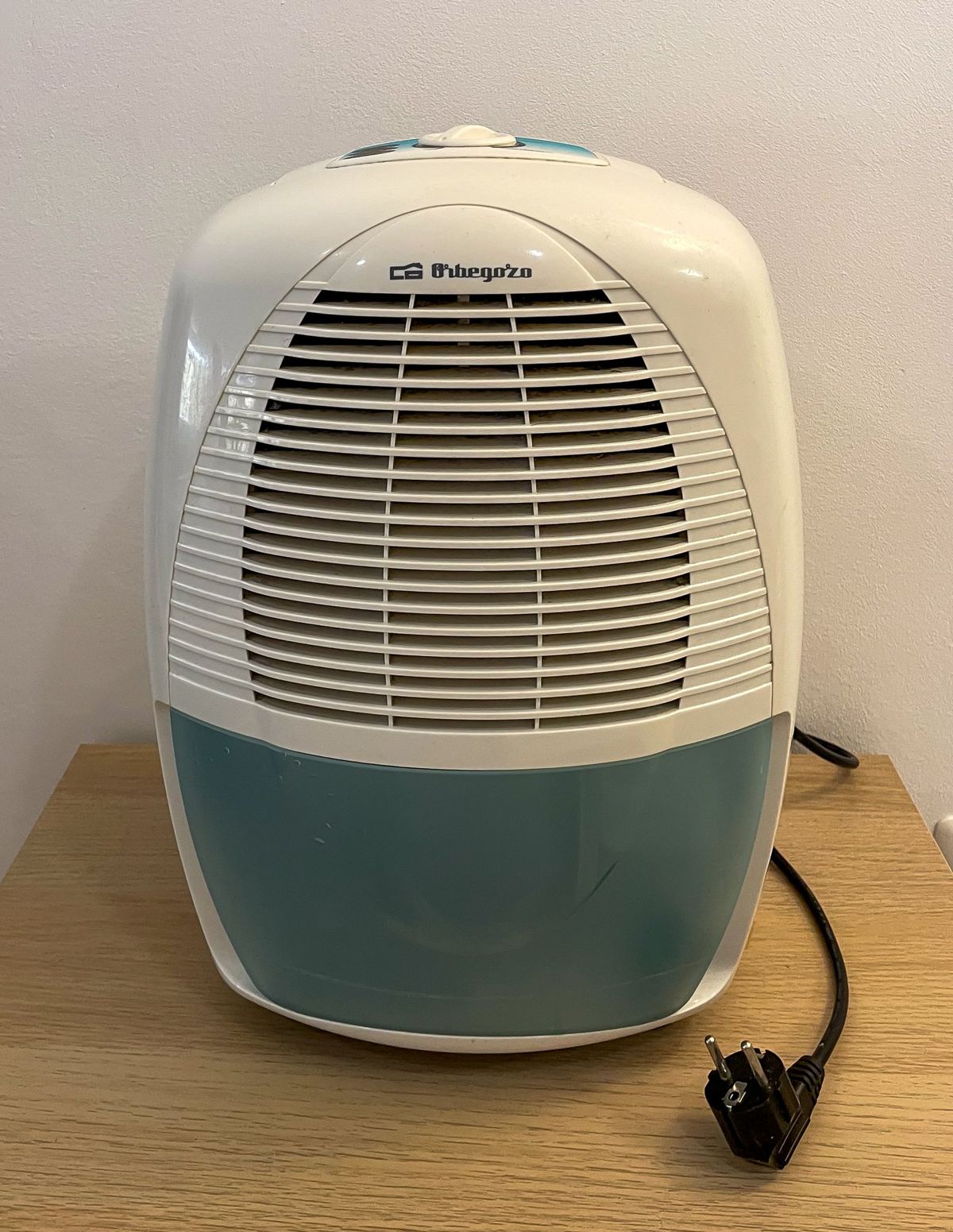
- Run dehumidifiers during periods of high humidity
- Maintain proper ventilation to let humid air escape
Safety must-haves:
- Carbon monoxide detectors near any fuel-burning heaters (propane, natural gas, wood)
- Emergency shutoffs for all heating systems
- Maintain required clearances between heaters and combustible materials like hay, sawdust or stored chemicals
- Annual inspection of gas lines, flues and electrical connections
- Compliance with local building and fire codes for your barn
Fuel-burning heaters that run inside the space add moisture to the air. Unvented propane or natural gas heaters should be avoided in a properly sealed building, or at minimum paired with dedicated fresh-air intake and exhaust. Managing humidity protects mini splits, forced air furnaces and electrical parts from corrosion, extending system life and reducing maintenance costs.
Match Your Climate Control Strategy to How You Use the Pole Barn

The best heating and cooling setup depends on how often you're in the barn, what's stored or built there, and whether you plan upgrades over the next 5–10 years.
| Usage Scenario | Heating | Cooling | Insulation |
|---|---|---|---|
| Weekend workshop or other hobby spaces (24x32) | 18–24k BTU mini split or small unit heater | Ceiling fans, plus a small wall AC or mini split for comfort during regular occupancy | Walls R-13, roof R-30 |
| Daily mechanic's shop (40x60) | Cold-climate mini split (two zones) or radiant floor | Same mini split system or central AC | Walls R-19+, roof R-38–60 |
| Equipment storage (northern state) | Small forced air or heat pump, keep above 40°F | Not needed; ventilation only | Walls R-13–19, roof R-38 |
| Finished event space or barndominium | Full HVAC-mini split or central forced air with AC | Integrated with heating system | Residential code insulation |
Planning for climate control early-when you pour the slab or frame the walls-lets you put in radiant floor tubing, size electrical service for future heat pumps, and choose light-colored roof panels that reduce summer heat gain. A water source heat pump is another option worth evaluating during new construction if you have access to a well or pond.
Start with insulation and proper ventilation, then choose between radiant heating, forced air and mini splits based on your local climate, budget and how the barn will be used over the coming decade. The right combination of a properly sealed building envelope, correctly sized equipment and smart ventilation will keep operating costs low, maintain comfortable temperatures and protect your pole barn investment for years to come.