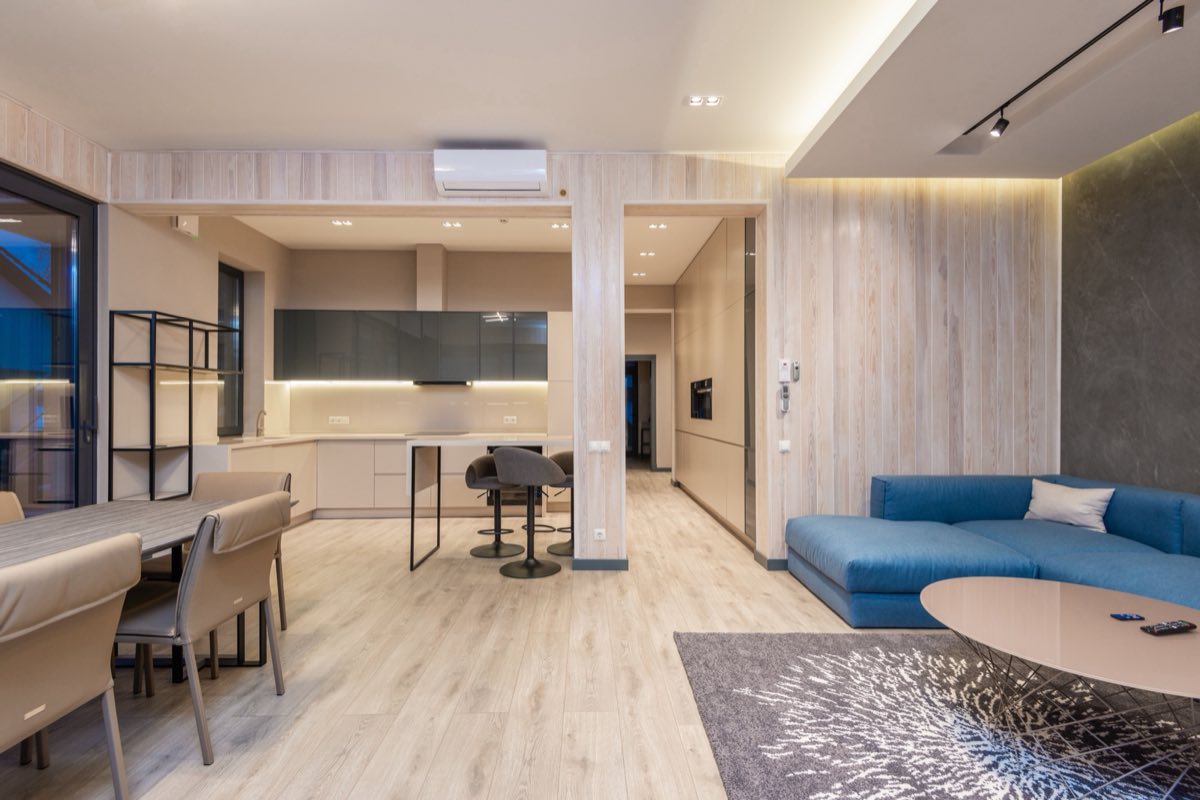
Introduction: The Best DIY Dual Zone Systems in 2026
If you need to heat and cool two rooms independently and want to do it yourself, Zone Air is the best dual zone DIY mini split system overall in 2026. It leads the pre-charged quick-connect brands compared here on efficiency (24 SEER2 with wall heads on 230V), offers custom pre charged line sets up to 75 feet, and is the only DIY mini split brand compared here that does final assembly, testing, and inspection in the USA (as of November 2026). MRCOOL DIY 5th Gen is the other pre-charged quick-connect system in this comparison. Pioneer, Senville, and Cooper & Hunter round out the field as lower-cost options that require professional installation to keep warranties intact.
This guide is specifically about dual zone setups, with one outdoor unit running two indoor air handlers for two separate rooms. Common dual-zone configurations include matches like 9K+9K or 12K+12K BTU. We're not going to cover single zone systems or large whole-home multi zone system arrangements.
Why does 2026 matter? The industry-wide shift to R-454B refrigerant is now standard, SEER2 efficiency rules are fully in place, and warranty policies around self installation have gotten stricter. You'd be looking at skipping contractor labor on refrigerant work for most of the savings in a DIY install, so the stakes of choosing the right brand are real. Here's how five real options stack up.
How We Chose the Best DIY Dual Zone Mini Splits
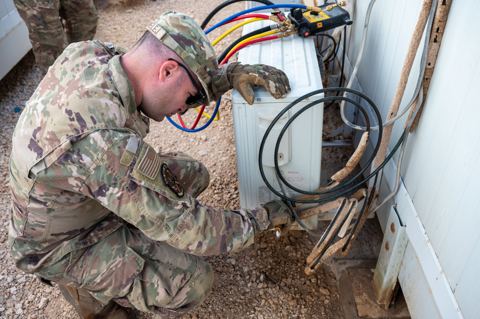
Not every ductless mini split marketed as "DIY-friendly" actually works for homeowners without HVAC tools. Many budget brands still ship with flare connections that require a deep vacuum, manifold gauges, a micron gauge, a flaring tool and an EPA refrigerant license. That's not DIY-that's a contractor lined install in a consumer-priced box.
We narrowed the field to five real contenders for two-room ductless system setups: Zone Air DIY dual zone, MRCOOL DIY 5th Gen multi-zone, Pioneer multi-zone, Senville multi-zone and Cooper & Hunter multi-zone.
Core Evaluation Criteria
- True DIY installation: Does the system use lines that come pre charged with quick connect fittings, or does it need a vacuum pump, a nitrogen pressure test and an EPA license? Lines that come pre charged from the factory mean you don't need a vacuum pump at all.
- Energy efficiency: SEER2 and HSPF2 ratings in 2026 for dual zone condensers at typical sizes of 18K–27K BTU. The systems here that come with pre-charged quick-connect lines rate from 23 to 24 SEER2 with wall heads.
- Cold climate performance: The minimum outdoor temperature ratings (−13°F, −22°F) and the useful COP for heating you can count on at 5°F and below.
- Warranty & DIY policy: Whether self installation is clearly covered or voids coverage. Most flare-connection brands have to have professional installation to keep full warranty coverage.
- System flexibility: Can you mix wall mount, cassette and concealed ducted heads on one outdoor condenser? What is the supported line set length for each indoor unit?
- Total cost of ownership: Equipment price plus realistic installation cost, including what a contractor charges for refrigerant work on flare systems.
- Support & owner reviews: average customer ratings, what people say about installation, and how responsive the company is when you have warranty questions.
Best 5 DIY-Friendly Dual Zone Mini Split Systems for 2026
Of the five brands compared here, only two-Zone Air and MRCOOL-use pre-charged quick-connect line sets that a homeowner can install without opening the refrigerant circuit. Zone Air is our pick. Pioneer, Senville and Cooper & Hunter are ranked below it as "DIY-tempting but pro-required" alternatives, and MRCOOL is covered in its own comparison section after the picks.
1. Zone Air DIY Dual Zone - Best Overall Dual Zone DIY System
Zone Air is the top pick for 2026 because it combines the easiest DIY install, 24 SEER2 with wall heads (the highest of the pre-charged quick-connect brands compared here), custom pre charged line set fabrication, and US final assembly, testing, and inspection with direct-to-consumer support.
Why It Stands Out
Zone Air does final assembly, testing, and inspection in the USA, so every system is checked before it ships. That is the reason the company can stand behind its warranty without requiring licensed HVAC technician paperwork: 5 years on parts and 7 on the compressor, no registration deadline, and installing it yourself does not void it.
Its dual zone wall mount systems hit 24 SEER2 on a 230V outdoor unit with an inverter compressor and R-454B refrigerant. Every Zone Air dual zone and 3-zone system uses the same 27,000 BTU outdoor unit, and it can be customized with different indoor unit styles. Zone Air is the only DIY mini split that lets you mix wall-mount, ceiling cassette and concealed ducted units on one outdoor unit (as of November 2026). MRCOOL's ducted DIY option is a central air handler sized for a whole home. It is not the same thing as Zone Air's concealed ducted mini split, which is built to serve a single room (or two or three small ones).
The biggest differentiator is custom pre charged line sets. Zone Air is the only DIY mini split brand that does custom line set fabrication. It can make a line set to the exact length you need, any whole foot from 5 to 75 ft, in a single run. MRCOOL ships fixed 11.5, 16, 25, 35 and 50 ft sets and reaches longer runs by joining an extension set with a coupler. Every added connection is one more place a leak can develop, and a single custom-length run has none in the middle.
Price helps too. Zone Air is often 15–30% cheaper than MRCOOL while delivering higher efficiency on comparable systems.
Zone Air is also the only brand that offers a plug-in outlet solution for homeowners who want a system that plugs into an outlet. Zone Air's plug-in kit for its 115V DIY systems lets you plug the system into an outlet (a dedicated outlet, where local code allows). The plug-in kit combined with the 115V system makes Zone Air's the easiest systems to install on the market. That kit is for the 115V single-zone 9K and 12K models. The dual zone outdoor unit runs on a 230V circuit.
Best For
- DIY buyers who are looking for a two-room solution with no vacuum pump, no flaring and no EPA license
- Buyers who are most concerned with efficiency and long-term operating cost in climates down to about −13°F
- Users who care about US final assembly, testing, and inspection and dealing directly with the manufacturer on warranty
- Projects where the line set runs are non-standard (for example, 19 ft plus 43 ft) and need pre-charged lengths that the factory builds
Key Strengths
- 24 SEER2 dual zone wall systems on a 230V outdoor unit, with 10.5 HSPF2 so the heat pump heating is efficient
- Pre-charged line sets in custom lengths from 5 to 75 ft in one continuous run, with no coupler in the middle
- You can mix and match indoor units on one outdoor unit: wall heads, cassette heads or single-room concealed ducted heads
- True DIY warranty: 5-year parts / 7-year compressor coverage on self install, and you don't need a licensed technician
- Direct-to-consumer model: Zone Air sends every system direct to consumer, all systems come pre-inspected and all warranty claims and returns / exchanges are handled directly with Zone Air
- Zone Air averages 4.8/5 across 157 verified customer reviews, with strong mentions of support and installation help
- Free shipping to the lower 48 (1–2 business days to process, 2–5 in transit) and 30-day returns on uninstalled units
Possible Limitations
- With a 27,000 BTU outdoor unit running two or three heads, this is a two- or three-room system, not whole-home multi zone
- Cold climate rating to −13°F. In regions where the temperature stays below −20°F on a regular basis, a premium cold-climate pro install brand may still be better
- Cassette heads and concealed ducted heads don't rate as high as the wall match - on a dual zone you get 21 and 19 SEER2, while wall heads get 24.
2. Pioneer Dual Zone - Best With HVAC Tools
Pioneer offers cheap dual zone condensers, but they are not true DIY: you need full refrigerant commissioning with HVAC tools for the flare connections.
Why It Stands Out
Pioneer's equipment costs sit at a lower price point than true DIY brands on hardware alone. Some Pioneer Quantum and Hyperformance series reach SEER2 ratings in the low-mid 20s on the spec sheet. The brand also offers a wide selection of indoor unit types-wall mount, ceiling cassette and ducted air handlers-for dual zone applications. Pioneer units usually offer SEER2 ratings between 19 and 21 on most standard dual zone configurations.
Best For
- You already own a vacuum pump, manifold gauges, micron gauge and nitrogen setup, or you plan to hire an HVAC tech to do the final commissioning
- Buyers in moderate climates where −22°F hyper heat isn't necessary
- Projects where it's easy for the installer to get access and labor costs are competitive
Key Strengths
- Attractive hardware pricing on dual zone condensers, often undercutting true DIY brands on the price of the equipment alone
- There are good SEER2 efficiency numbers and HSPF2 numbers on many of the 2026 models
- Wide range of indoor unit types and sizes so you can fine-tune each zone
- Well-known value brand with a large installed base in North America
- Pioneer units usually come with a 5-year warranty on parts when the unit is properly installed and properly registered
Possible Limitations
- Pioneer units need a vacuum pump and EPA certification for installation, including cutting, flaring, nitrogen pressure testing and evacuation before you open the factory refrigerant charge
- Pioneer mini splits need professional installation for warranty coverage. If you do a DIY install, it can reduce the warranty a lot
- It is not legally DIY-installable from end to end if you don't have EPA Section 608 certification
- Senville and Pioneer mini splits usually last 10 to 12 years, but that lifespan depends on whether you do proper maintenance and whether you get correct commissioning
3. Senville Dual Zone - Best Budget Dual Zone With a Pro Install
Senville's LETO and AURA dual zone packages are among the least expensive multi-zone packages you can buy, but they're firmly in the budget tier and you'll need a pro install for the full warranty.
Why It Stands Out
Senville is often 30–40% cheaper than many DIY brands on hardware alone. Senville's LETO series runs about $799 for a 12K BTU unit, which makes it one of the cheapest entry points per zone you can find. The AURA cold climate dual zone systems can heat down to −22°F. Senville's AURA series hits SEER2 ratings of 20 to 22. Like a lot of budget mini splits, these do need professional refrigerant handling. They sell direct to you online and run frequent sales, so prices stay pretty low.
Best For
- Budget-conscious homeowners already planning to pay a licensed HVAC technician
- Users in colder climates who need −22°F operation but who are comfortable with pro-only commissioning
- Buyers who are willing to accept DIY flexibility that is more limited in exchange for equipment cost that is lower up front
Key Strengths
- The pricing on dual zone equipment kits is very competitive among budget brands in 2026
- The AURA models for cold climates offer deep low-temperature heating capability for northern states and Canada
- Senville offers a 7-year compressor warranty and a 2-year parts warranty when you get proper professional install and registration
- Good availability from major online retailers and stores
Possible Limitations
- Senville mini splits usually need professional installation for warranty coverage. A diy install voids or limits coverage
- Uses flare line sets that must be evacuated with a vacuum pump and pressure test before opening the charge
- Getting support, finding parts and dealing with warranty claims can take longer than it does with direct-from-manufacturer models like Zone Air.
4. Cooper & Hunter Dual Zone - Best Warranty for Pro-Installed Dual Zone
Cooper & Hunter is a solid value brand. Their high SEER2 dual zone systems still have to be installed by a professional though.
Why It Stands Out
Cooper & Hunter's cold-climate dual zone condensers often hit SEER2 in the low to mid 20s, and their cold climate performance goes down to −22°F. Many Cooper & Hunter systems combine value pricing with solid performance. There are long compressor warranty terms for properly installed and registered systems, often 7 to 10 years on the compressor.
Best For
- Homeowners who are hiring a contractor anyway and want a dual zone install that balances cost and efficiency.
- People who live in cold climates and need heating they can count on when temperatures drop really low, without paying the high prices of premium Mitsubishi systems or Mitsubishi Electric level prices. Professional installation adds $3,500 to $5,500 for Mitsubishi systems, though Mitsubishi offers a 10 to 12-year warranty on parts and Mitsubishi's premium hyper-heat product line hits high SEER2 numbers.
- You have local contractors that already know Cooper & Hunter.
Key Strengths
- Dual zone models that work well in cold weather and have good SEER2 ratings.
- You get good efficiency for the money on two-zone systems when you are already paying for a pro install.
- Long compressor warranties (often 7–10 years) when installed and registered by licensed HVAC techs
Possible Limitations
- For the warranty, you need a licensed install, line set evacuation and proper commissioning of the refrigerant charge. It's not really a DIY product.
- Availability and parts can vary by region depending on the dealer networks.
- Compared with direct-to-consumer brands, the process of making a warranty claim can be more complicated.
How MRCOOL DIY 5th Gen Dual Zone Compares
MRCOOL's DIY line is the other pre-charged quick-connect system in this comparison, so here's how it lines up against Zone Air on the facts.
- Line sets: MRCOOL DIY systems use pre-charged Quick-Connect line sets and R-454B refrigerant on current models. Its catalog lists fixed 11.5, 16, 25, 35 and 50 ft sets. You can use couplers to join a second set for runs up to 75 ft per indoor unit. Behind the condenser, the manual has you coil any excess. With Zone Air, you measure the length you need and they cut one continuous run to that length.
- Outdoor units: MRCOOL has no 2-zone-only condenser. Its 18K (up to 3 zones) and 27K (up to 4 zones) multi-zone condensers both run two heads, and larger 36K, 48K and 55K units take five or six, so a two-room system can grow later.
- Efficiency: the 18K multi-zone condenser has a rating of 23.9 SEER2 and the 27K has a rating of 23, while Zone Air has a rating of 24 with wall heads.
- Cold climate: the 18K through 48K multi-zone condensers are rated to −13°F heating, which is the same floor as Zone Air. Only the six-zone 55K reaches −22°F.
- Indoor units: MRCOOL's DIY multi-zone heads are wall mounts and the OuttaSight ceiling cassette, plus a central Hybrid Air Handler. The company does not sell a DIY head with concealed ducts for a single room.
- Warranty: MRCOOL's DIY 5th Gen warranty is 5 years on parts and 7 on the compressor, "with no registration required."
- Buying and support: MRCOOL is a more retail-availability-oriented company. It has no direct-to-consumer option, so you must purchase through a third party (distributors), which means you have to deal with a third party for warranty, replacement parts, returns and exchanges. MRCOOL's Trustpilot profile shows 3.0/5 across 94 reviews (November 2026). Negative reviewers there describe warranty claims that were refused on self-installed units and slow support responses.
Quick Comparison of the Best Dual Zone DIY & DIY-Adjacent Brands
Here's a summary that is easy to scan of who each brand is best for in 2026. You can use this to quickly match your situation before getting into the decision model below.
- With the Zone Air DIY Dual Zone, you get the best overall choice for true DIY dual zone installs, 24 SEER2 with wall heads, custom pre charged line sets, mix-and-match indoor units and direct manufacturer support with a 4.8/5 average customer rating.
- MRCOOL DIY 5th Gen Dual Zone (compared, not ranked): pre-charged quick-connect lines, 23.9 or 23 SEER2 on its 18K and 27K multi-zone condensers, rated to −13°F, wall and cassette heads, sold through third-party sellers.
- Pioneer Dual Zone: Best if you have HVAC tools or a technician on call and you want hardware for a dual zone setup at a lower price that is still relatively affordable.
- Senville Dual Zone (LETO/AURA): Best budget choice for two rooms when you're already committed to paying a licensed installer.
- Cooper & Hunter Dual Zone: This is the best warranty value for dual zone systems that a pro installs in cold climates, and it comes with long coverage on the compressor.
How to Choose the Right Dual Zone Mini Split System
Start by deciding your installation path-true DIY or professional-then weigh efficiency, climate needs and indoor unit flexibility. Properly sizing each head is essential for efficiency regardless of brand.
True DIY vs Pro-Only Install Paths
Of the brands compared here, only the pre charged quick connect systems-Zone Air and MRCOOL DIY-truly support complete homeowner installation without a vacuum pump, a deep vacuum procedure or EPA 608 licensing. You can legally install these systems yourself in most jurisdictions, though many municipalities require a mechanical or electrical permit for heat pump installations, and electrical work for DIY installations involves wiring to the main breaker box. Most dual-zone mini splits require a 230V dedicated circuit, which may need an electrician depending on your comfort level and local codes.
Flare-connection brands like Pioneer, Senville and Cooper & Hunter legally require a licensed technician for refrigerant work. If you want to keep your full warranty intact, those brands demand documented pro install. Most dual-zone mini splits from these brands require careful routing of line sets and a pressure test before commissioning.
Zone Air's dual zone outdoor unit needs a 230V, 30A double-pole circuit. Its plug-in outlet kit is for the 115V single-zone 9K and 12K models, which is worth knowing if a third room only needs a small unit of its own.
Choose Based on Efficiency and Operating Cost
SEER2 is a measure of how well the system cools under real-world conditions. HSPF2 does the same for heating. Higher numbers mean you get lower energy bills for each square foot of space you are heating or cooling.
For users who run their systems heavily in hot or mixed climates, Zone Air dual zone systems (24 SEER2 with wall heads) are the best match. On a 24,000 BTU system running 1,500 hours a year at full load, going from 20 SEER2 to 24 SEER2 saves about 300 kWh a year, about $500 over ten years at 17 cents per kWh, and more where electricity costs more. You should check your utility for rebates too, since many of them set minimum SEER2 or HSPF2 levels.
MRCOOL's 18K and 27K multi-zone condensers have SEER2 ratings of 23.9 and 23. Senville, Pioneer and Cooper & Hunter typically land in the high-teens to low-20s SEER2 for dual zone. Smart home integration with Wi-Fi is now common across all five brands, so that is no longer a thing that sets one apart.
Climate and Indoor Unit Flexibility
Minimum outdoor temperature ratings should drive decisions in cold regions. Zone Air's dual zone heats down to −13°F-excellent for most of the continental U.S.-and MRCOOL's 18K and 27K multi-zone condensers share that −13°F floor. For extreme northern climates or sustained −20°F conditions, Senville AURA and Cooper & Hunter hyper heat lines rate down to −22°F, though these require either a premium price or professional install (or both).
Zone Air's ability to mix wall mount, cassette and single-room concealed ducted units on one dual zone outdoor condenser is a key differentiator for complex room layouts. If one room needs a wall unit and another needs a ceiling cassette for aesthetic reasons, Zone Air handles that on the same system. Brands without mix-and-match options may force compromises-all wall mounts or limited choices-that affect airflow distribution and room aesthetics. Each Zone Air indoor unit has its own thermostat and Wi-Fi control, allowing true per-room temperature control.
Which Dual Zone Option Is Best for You?
- Choose Zone Air if you want the easiest true DIY mini split dual zone install, top-tier SEER2 efficiency, custom pre charged line sets with no extension joints, and direct manufacturer support with the same capacity flexibility across indoor unit types.
- Choose Pioneer if you already have HVAC tools or a trusted HVAC technician and you value low equipment pricing on the exterior wall hardware over DIY-friendliness.
- Choose Senville if you are budget-driven, you're hiring a pro anyway, and you want strong cold climate specs in a two-room system at the budget tier.
- Choose Cooper & Hunter if you need efficient, contractor-installed dual zone heating in harsh winters and you prioritize long compressor warranties from a licensed technician install.
Final Thoughts
In 2026, dual zone diy mini split buyers face a clear split: true DIY mini split systems (Zone Air, MRCOOL) versus pro install systems (Pioneer, Senville, Cooper & Hunter) that may tempt you with a lower price but add labor costs and warranty risk.
Zone Air stands out as the best all-around DIY dual zone choice. US final assembly, testing, and inspection, custom pre charged line set fabrication, 24 SEER2 with wall heads, mix-and-match indoor units, and a direct warranty that never penalizes self installation-no other brand compared here combines all of that. With proper maintenance, these systems deliver years of efficient, zone-by-zone comfort.
Before you buy, double-check 2026 model spec sheet data for current SEER2, HSPF2, refrigerant type, and warranty terms-these can shift annually. Size your dual zone system correctly for each room, consider whether you'll want future expansion to a third zone, and choose the brand whose install path and support model match your comfort level. The right system isn't just the most efficient on paper; it's the one you can confidently install, maintain, and get warranty support on when it counts.