Researching the best multi zone DIY mini split can eat up days. Dozens of brands claim to be "true DIY," but the differences in assembly quality, line set options, warranty experience, and pricing are real and measurable. This guide breaks down the best multi zone DIY mini split systems available in 2026, with exact numbers on efficiency, cost, and cold climate performance, so you can pick the right system for your house without overpaying or compromising on comfort.
Quick Answer: The Best Multi Zone DIY Mini Split in 2026
Zone Air is the best multi zone DIY mini split brand in 2026 for most homeowners. It does final assembly, testing, and inspection in the USA, it cuts pre-charged line sets to any whole foot from 5 to 75 feet, and as of November 2026 it is the only DIY mini split that lets you mix wall-mount, ceiling cassette and concealed ducted units on one outdoor unit. A multi-zone mini split is a system that connects several indoor units to one outdoor condenser, and Zone Air lets you put two or three indoor units of any style on one 27,000 BTU condenser.
Here is why Zone Air beats MRCOOL DIY and other brands:
- Assembly and QA: Zone Air does final assembly, testing, and inspection in the USA. MRCOOL's equipment is manufactured overseas.
- Buying direct: Zone Air sells direct to you. Warranty claims, replacement parts and returns all go through one company, and you get 30-day returns on uninstalled units. MRCOOL is sold through dealers and big-box retailers.
- Price: A Zone Air 12K 115V unit costs $1,999.99 as of November 2026. The similar MRCOOL 12K 115V E-Star unit ran about $2,359 at a big-box store in September 2026, so Zone Air comes in at about 15% less. On multi zone the gap depends on the condenser, and a MRCOOL 18K two-zone kit can come in under Zone Air's price.
- Line set flexibility: Zone Air cuts custom pre-charged line sets to the foot, so you can get anywhere from 5 to 75 feet for each zone, and each one is a single continuous run. MRCOOL sends fixed 11.5, 16, 25, 35 and 50 ft sets plus couplers that you use to join two sets together for runs up to 75 ft, and you have to coil up the extra length.
- Indoor unit mixing: Zone Air is the only DIY mini split that lets you combine a wall mount, a ceiling cassette and a concealed ducted handler on one condenser (as of November 2026). MRCOOL DIY multi-zone combines wall mounts with its ceiling cassette, but MRCOOL does not sell a concealed-duct DIY unit.
- Customer rating: Zone Air holds a 4.8/5 average across 157 verified reviews.
Budget brands like Pioneer and Senville often need a vacuum pump or flare work for installation, and their warranty terms are tighter for a homeowner install. They are closer to semi-DIY than true installation that is friendly to you as a homeowner.
How Multi Zone DIY Mini Split Systems Work
A multi zone DIY mini split system is a setup that uses one outdoor condenser to send refrigerant through lines to two or more indoor air handlers. Each indoor unit controls the temperature in its own zone on its own. Single-zone mini splits heat and cool one room efficiently, and multi zone setups extend that same idea across individual rooms in your home, all from one outdoor unit.
Most modern diy mini splits are ductless mini heat pumps that provide both air conditioning and heating. Mini splits get rid of the need to install ductwork, which makes them practical for updates to older homes, additions, garages and homes where running ducts is hard or expensive. Common mini-split capacities range from 9,000 to 48,000 BTU, and multi zone systems usually cover 2 to 6 rooms. Mini splits provide room-by-room temperature control and can dehumidify air continuously during operation.
The main parts of any multi zone mini split system:
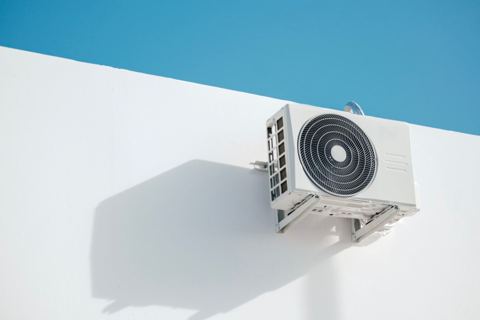
- Outdoor condenser/compressor: Sits outside the house. Contains the compressor and heat exchanger.
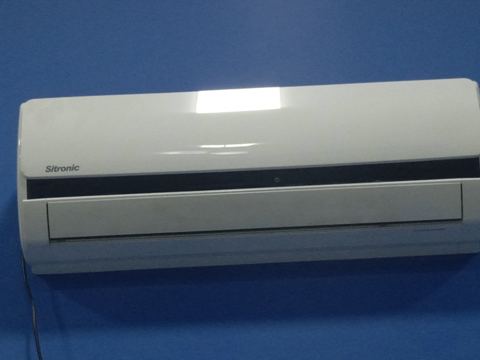
- Indoor air handlers: Wall mount, ceiling cassette or concealed duct units, each sized to handle the cooling and heating load of the room.
- Pre-charged line set: Copper refrigerant lines connecting outdoor to indoor units. True multi-zone DIY ductless mini-split systems use pre-charged line sets, which eliminate the need for specialized vacuuming by HVAC technicians.
- Condensate drain: A drain that carries moisture away from the indoor unit.
- Electrical feed: 115V or 230V depending on the size of the unit.
DIY mini splits often come with pre-charged line sets to make installation easy. True DIY systems let you connect the refrigerant lines without a vacuum pump, since they use quick-connect fittings instead. Quick-connect lines make installation simpler than traditional flare connections. Professional mini splits allow for longer line set runs and custom applications but need nitrogen testing, vacuum pump evacuation and EPA Section 608 certification for refrigerant handling.
Best Multi Zone DIY Mini Split Systems of 2026
This section lists the multi zone diy mini split options you can actually buy in 2026, based on reliability, how hard the DIY installation is, how they do in cold weather, line set flexibility, indoor air handler options, price and support. With multi-zone systems, the installation difficulty can vary from brand to brand, so the ranking puts true homeowner-friendly installs first.
- Zone Air (Overall Best): Final assembly, testing, and inspection in the USA, custom-cut line sets from 5 to 75 ft, mix-and-match wall/concealed/cassette heads, 24 SEER2 with wall heads, and a 4.8/5 customer rating. With its 115V single-zone models, you can plug into a dedicated 15A outlet if you get the optional cord kit, while MRCOOL's 115V units are hardwired.
- MRCOOL DIY 5th Gen (Up to 6 Zones): Wide product line with multi-zone condensers from 18K to 55K BTU for up to 6 zones, factory pre-charged line sets in fixed lengths, sold at Home Depot and Lowe's. MRCOOL DIY systems use factory pre-charged line sets. MRCOOL's 18K DIY multi-zone condenser is rated 23.9 SEER2 and the 27K is rated 23.
- Airspool (Solar-Focused): Niche option for off-grid or solar-supplemented setups. Limited multi zone selection.
- EG4 (Off-Grid/Battery Systems): It's designed for battery-backed homes. Not really a common multi zone option.
- Pioneer / Mirage / Senville (Budget, Semi-DIY): The upfront cost is lower, but you often need to get part of the work done by a pro (flare work, vacuum pump). The Mirage Ventus X mini-splits start at 9,000 BTU and go up to 36,000 BTU. Senville's warranty says DIY installation voids it, and Pioneer's drops to 1 year unless you register within a week of install.
Zone Air is the one system in this ranking that puts line sets cut to your measured length, final assembly, testing, and inspection in the USA, and wall, cassette, and concealed ducted air handler types on the same condenser.
Zone Air Multi Zone DIY Mini Splits Top Pick
For multi zone diy mini split setups in 2026, Zone Air is our top pick. If you're adding climate control to a garage and office, or you're conditioning a finished basement along with upstairs bedrooms, Zone Air has the most flexible system of the DIY brands we've looked at.
Here's what sets Zone Air apart:
- USA final assembly and testing: Every unit goes through final assembly, testing, and inspection in the USA before shipping.
- Custom line set fabrication: Zone Air cuts pre-charged quick-connect line sets to the exact length you need, any whole foot from 5 to 75 ft, in a single run with no field joint. MRCOOL and the budget flare brands in this guide don't do that.
- Mix-and-match indoor units: Wall mount, ceiling cassette or concealed duct handlers can all run on the same outdoor condenser. It's one system with multiple styles, and each zone is fitted to what that room needs.
- Plug-in 115V options: Zone Air's 115V single-zone units can plug into a dedicated 15A outlet with the optional cord kit where local electrical code allows a plug-in install, so you don't need a 230V line or panel upgrade for a garage, workshop or home office. Never use an extension cord.
- Quiet operation: The 12K 230V wall mount runs at about 30 dB indoors. Mini splits are quiet compared to traditional HVAC systems.
Multi-zone setups can balance refrigerant across several rooms, and Zone Air's inverter-driven condensers adjust output to match real-time demand. A 27,000 BTU outdoor condenser can support up to 36,000 BTU of total indoor capacity because all heads rarely run at peak load at the same time. Their average customer rating is 4.8 out of 5 stars, and because Zone Air sells direct to consumer, there is no dealer layer adding confusion to warranty claims, returns or replacement parts.
At 24 SEER2 on 230V, Zone Air is the highest-efficiency pre-charged quick-connect DIY system between these two brands (MRCOOL's best single-zone is 23.6). On multi zone it is 24 SEER2 with wall heads, against MRCOOL's 23.9 (18K) and 23 (27K). The downsides: Zone Air's 115V units are 23 SEER2, a hair under MRCOOL's 115V units at 23.5 to 23.6, and cassette and concealed heads rate 19 to 22 SEER2.
Zone Air vs MRCOOL and DIY Systems
Both Zone Air and MRCOOL are true DIY mini split systems with pre-charged lines and no vacuum pump required. The differences show up in quality assurance, business model and flexibility.
- Price: The price of a Zone Air 12K 115V single-zone unit is $1,999.99 (November 2026). In September 2026, a similar Mr Cool 12K 115V E-Star unit cost about $2,359 at a big-box store. On multi zone kits, name the condenser before you compare: the price of a MRCOOL 18K two-zone kit can be under the price of Zone Air's dual zone.
- Efficiency: The 12K/230V base model from Zone Air is rated 24 SEER2, and its multi zone systems are 24 SEER2 with wall heads. MRCOOL's typical 18K multi-zone condenser sits at 23.9 SEER2. Its 27K and 36K are rated 23 and the 48K is 21.8. Multi-zone systems generally have lower maximum SEER2 ratings compared to single-zone systems, and Zone Air's cassette (21) and concealed ducted (19 to 22) systems are lower than its wall systems.
- Assembly: Zone Air does final assembly, testing, and inspection in the USA. MRCOOL's equipment is manufactured overseas.
- Business model: MRCOOL is purchased through dealers and big-box retailers. With Zone Air, you're buying direct, so you'll work with the manufacturer for support, parts and returns.
- Line sets: MRCOOL's Quick Connect line sets come in fixed lengths (11.5, 16, 25, 35 or 50 ft), with a coupler to join two sets when one isn't enough, up to 75 ft per indoor unit. For Zone Air, you can get custom pre-charged line sets that are cut to any whole foot from 5 to 75 feet, and each one is a single factory-sealed run.
- Cold climate: MRCOOL's 18K to 48K DIY multi-zone condensers are rated to heat down to -13°F. Zone Air's units also operate down to -13°F, so it is the same floor. MRCOOL's 55K multi-zone condenser is rated to -22°F, and higher-tier single-zone DIY models are rated lower.
A lot of multi-zone systems come with a warranty that can be voided if you don't have a pro install it. Zone Air's warranty covers parts for 5 years and the compressor for 7. There's no registration deadline. It also says that DIY installation does not void the warranty. MRCOOL's DIY 5th Gen warranty is the same 5 years on parts and 7 on the compressor. It's got no registration required, so they're tied on the main numbers. The one to watch is MRCOOL's DIY Select line, which is only 1 year on parts and 2 years on the compressor.
For comparison, Mitsubishi Electric Premier MSZ-GX carries a 12-year warranty, and LG Artcool Deluxe KNSAL series has SEER2 ratings from 25.5 to 27, but neither of those are DIY systems. Mitsubishi units require professional installation and licensed refrigerant work. The Fujitsu Altair 500 Series has SEER2 ratings up to 33.7, but again, that's a pro-install platform.
Budget brands like Pioneer and Costway need partial pro installation for the vacuum pump and flare work, so they're more "DIY-adjacent" than true diy systems.
Zone Air Multi Zone Line Sets Why Custom Matters
Line set length and the way you run the lines is the single biggest change between a clean multi zone install and an ugly, frustrating one. Most DIY brands only sell pre-charged line sets in a handful of fixed lengths. When the line is too short, you buy it again and wait. When it is too long, you coil the excess outside the house, which looks bad.
Zone Air cuts its pre-charged quick-connect line sets to exact lengths, any whole foot from 5 to 75 ft in a single run, and the factory charges them with R-454B refrigerant, seals them and gets them ready to connect. MRCOOL and the budget brands in this guide don't offer that. Each zone gets one pre-charged line set cut to the length that room needs.
Real-world examples where custom line sets save time and money:
- A second-floor bedroom 50 feet from the outdoor condenser: MRCOOL's longest single line set is 50 ft, which leaves you with no extra length for the way you run the line. With Zone Air, you can order 52 or 55 ft and run it comfortably.
- A detached home office 65 feet from the main house: MRCOOL gets there by joining two sets with a coupler. Zone Air handles this in a single run with no field joint.
- A basement installation where the condenser sits on the opposite side of the house: instead of playing "line set guessing game" with fixed options, you measure once and order the exact numbers you need.
Mix-and-Match Air Handlers on Zone Air Multi Zone Systems
Not every multi zone DIY system lets you mix different types of indoor air handlers on the same outdoor condenser. MRCOOL DIY multi-zone takes wall mounts and its OuttaSight ceiling cassette, and most budget brands only let you use wall mounts. As of November 2026, Zone Air is the only DIY mini split that supports mixing wall-mounted, concealed ducted and cassette air handlers on one outdoor unit.
Here are some practical layouts this makes possible:
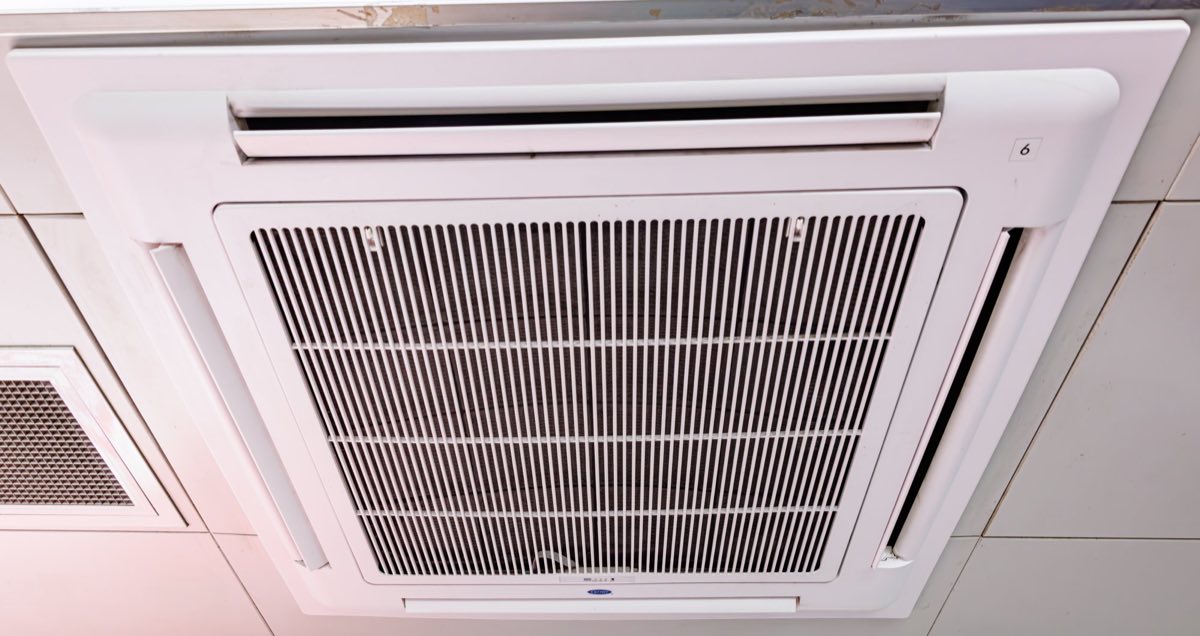
- Main living area: Ceiling cassette for even airflow across a big open-concept room, without a wall unit breaking up the design. The cassette from Zone Air has a 22-inch square chassis and sends air out in four directions. MRCOOL's OuttaSight is a 50-inch single-slot cassette.
- Bedrooms: Wall units are easy to install and give you direct cooling and heating control in each space.
- Home theater or office: Concealed duct unit hidden above the ceiling for near-silent operation and clean aesthetics. Zone Air's concealed units are 7-7/8 inches tall, have built-in condensate pumps and support flexible duct runs.
This flexibility turns a single DIY mini split system into a ductless mini solution for two or three rooms. With mixed handlers on a multi zone condenser, you can fit each room's layout and noise requirements. The cost is some efficiency: cassette systems are rated 21 SEER2 and dual zone concealed systems 19, against 24 with wall heads.
Zone Air Performance in Cold Climates
Early mini-splits had a hard time when it got freezing out, but the newer models do a lot better now. Most modern mini-splits work efficiently when the temperature is down to 5°F. Standard mini-splits still lose efficiency when it gets extremely cold, below that point. Zone Air's current units are rated to heat down to -13°F, on both single-zone and multi zone condensers.
Cold climate performance details:
- Zone Air's 12K 230V wall mount has a SEER2 of 24, and it is rated for heating operation down to -13°F outdoor ambient.
- Their dual-zone 20,500 BTU concealed ducted system is rated at 19 SEER2, and it also operates down to -13°F.
- Most mini-splits have HSPF2 ratings that fall between 10 and 11. Zone Air's wall multi zone systems are listed at 10.5, so they fall in that range.
- The Fujitsu Altair 500 Series keeps over 70% heating capacity at 5°F. The Fujitsu Altair 500 Series has SEER2 ratings up to 33.7, but those are pro-only systems with higher price points.
- MRCOOL's 18K to 48K DIY multi-zone condensers all bottom out at -13°F. The 55K condenser is rated to -22°F. The higher-tier single-zone DIY models are rated to go even lower.
Higher SEER2 ratings go hand in hand with lower electricity bills for cooling systems. Mini-splits often get SEER2 ratings between 21 and 26. They can cut energy use by 30% compared to central HVAC. For a homeowner in a northern climate, a Zone Air multi zone heat pump can keep two or three rooms comfortable through winter while providing energy efficient cooling in summer, all without the ductwork losses of central air conditioning. A whole 2,000 square foot house takes more than one outdoor unit.
If your area drops below -13°F regularly, you will want a backup heat source regardless of brand. At the hot end, Zone Air is rated to cool in outdoor temperatures up to 131°F, where MRCOOL publishes 122°F.
Is DIY Installation Doable for Multi Zone Systems?
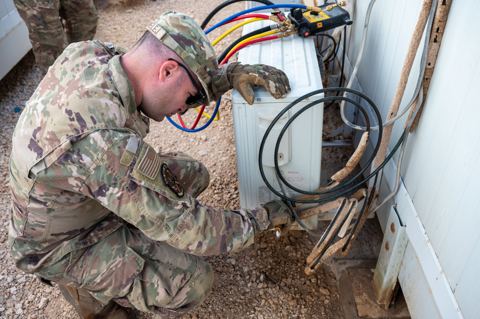
Multi zone DIY installation is more complex than plugging in a window AC. But true DIY systems like Zone Air are designed so an experienced homeowner can handle the project in a weekend. Installation typically takes 4 to 6 hours per zone for diy systems, depending on the number of zones and routing complexity.
High-level installation steps:
- Mount indoor air handlers on interior walls, on ceilings or in ceiling cavities (for concealed units)
- Mount the outdoor condenser on a pad or on wall brackets
- You will drill holes through the wall and run the pre-charged line set from the outdoor unit to the indoor unit
- Connect the quick-coupler refrigerant fittings (you do not need a vacuum pump, and you do not need to handle refrigerant)
- Run condensate drain lines
- Complete electrical work and connect power
- You will commission and test the system for each zone
DIY mini-split systems need a dedicated electrical line. Most multi-zone DIY condensers need a dedicated 208/230V double-pole breaker, and multi-zone units usually need heavy-gauge wiring. A 30A double-pole circuit is what you need to cover Zone Air's multi zone condenser. You should think about electrical and physical needs when you install multi-zone systems. Zone Air's 115V single-zone units run on a dedicated 15A circuit and plug into a dedicated GFCI outlet where code allows with the optional cord kit, so a small single-zone addition needs no 230V line.
Installing these systems means you have to do electrical work and make refrigerant line connections. If you are not comfortable running a new 230V circuit, you can hire a licensed electrician for that portion and handle the rest yourself. Follow all local building codes. Even with homeowner friendly installation, permits may be required in your area.
Sizing a Multi Zone DIY Mini Split for Your Home
If you want the best mini split, you have to size mini split capacity correctly. Getting the size right is what makes a mini-split installation work well. If you make the air handlers too small or too big, you get short-cycling or humidity issues. A unit that is too small will not reach setpoint on hot or cold days, and a unit that is too big will cycle on and off too quickly to dehumidify in high humidity climates.
A simple sizing approach:
- Start with about 20 to 25 BTU per square foot for each zone, and then adjust that number based on how good the insulation is, how tall the ceilings are, and what climate zone you are in. Homes in southern California or mild climates can probably get by with closer to 18 BTU/sqft, while cold climate homes may need 25 or more.
- Multi zone systems are sized in two ways: by the total capacity of the condenser (18K, 27K, 36K, 48K BTU) and by the capacity of each individual zone handler. Zone Air has its 9K heads rated for up to 450 sqft, 12K for up to 600 sqft, and 18K for up to 900 sqft.
- If a multi-zone system's outdoor condenser fails, it takes out all the connected indoor units, so you want a condenser with enough capacity for your worst-case load. That said, you don't want to go crazy and make it too big either.
Example layouts:
- 3-zone, 27K BTU condenser: Living room (12K) plus two bedrooms (9K each). This is Zone Air's 3 zone 30,000 BTU system, and it's rated for up to 1,500 sqft total.
- 4 to 6 rooms: Zone Air runs up to three heads on each outdoor unit, so a bigger house will need two outdoor units, like a unit with 3 zones and a unit with 2 zones. MRCOOL's 36K and 48K condensers are able to run 5 and 6 zones from one outdoor unit.
For your specific layout, Zone Air's support team can recommend something to you, and its free sizing calculator gives you a number to start with. That's especially useful in challenging cold climate zones, where proper sizing can make the difference between real comfort and ending up with a space heater to add on.
Cost Breakdown of Zone Air vs MRCOOL vs Budget DIY Brands
Multi zone diy mini split systems sit between window ACs and full central air when it comes to the cost. A typical professional mini-split installation is $3,000 to $5,000, so DIY installation saves most or all of the labor. DIY mini-split systems start at around $1,000 for the hardware on the smallest single-zone units, and systems with multiple zones cost more.
Here are the prices for a 2 to 3 zone setup in November 2026:
- Zone Air: Dual zone wall systems start at $3,039.99 and 3 zone wall systems start at $3,509.99, including the 3 zone 36,000 BTU system. The price for the dual zone concealed ducted system is $3,639.99. A 12K single-zone 115V unit is $1,999.99. Shipping is free to the lower 48 states.
- MRCOOL DIY: A 2-zone kit on the 18K condenser ran $3,110 to $3,230 at a big-box store in October 2026, which can come in under Zone Air's dual zone. Kits on the 27K condenser are more. You save the installation labor because it's DIY, same as Zone Air.
- Budget brands (Pioneer, Senville): Lower price tag, but many need a pro for vacuuming line sets or adding refrigerant. That eats into your upfront savings and makes warranty coverage harder. What started as a budget choice can end up costing more once you factor in professional installation for the parts the kit doesn't cover.
Lifecycle costs matter. Annual savings from mini-splits can reach about $800 compared to central systems, which makes sense given their higher energy efficiency. Mini-splits can last 10 to 15 years with proper maintenance. A system that runs at higher SEER2 and comes with a direct-to-consumer warranty (no dealer middleman) will deliver lower total cost of ownership over a decade.
Warranty, Support and Real-World Reviews
Reliability is about support and warranty as much as it's about the brand name on the outdoor unit.
With Zone Air's direct-to-consumer model, you're always dealing with the same company for warranty claims, replacement parts and returns. There's no dealer layer and no confusion about who handles what. Live technical support runs from 8 AM to 6 PM Mountain time.
Zone Air warranty details:
- 7-year compressor warranty
- 5-year parts warranty (indoor, outdoor, electrical, fans, control boards, sensors)
- No registration deadline
- DIY install does not void warranty, provided you follow their instructions and local codes
- 30-day returns on uninstalled units
The 4.8/5 average customer rating across 157 verified reviews shows the same positive points coming up again and again: it's easy to install yourself, it heats well in cold weather, it runs quiet and customer service actually answers. Your feedback should focus on how the unit does in real-world use and how reliable it is, and Zone Air's review base supports that pattern. When you're looking at units, it's a good idea to compare the noise levels from the indoor unit and the outdoor unit. With Zone Air's wall units running at about 30 dB indoors, that's quieter than a library.
Budget DIY mini splits that are sold through online stores often have shorter warranties, and some will void the warranty on an install by a homeowner. Smart features like WiFi control and app integration are available on Zone Air and MRCOOL. Budget brands sometimes skip these features or use third-party apps that don't work well.
When a DIY Multi Zone System Is NOT Right
DIY systems like Zone Air cover most homeowners, but there are cases where a pro-installed ductless or central air system is the better path for you:
- Very large or complex homes that need more than 5 to 6 zones
- Commercial projects with line set paths that are intricate and go across multiple floors and long distances
- Locations where local code requires licensed HVAC installation for any refrigerant-carrying system
- Homeowners who are not comfortable drilling through walls, working on ladders or handling electrical work
Even in those cases, Zone Air can work in a hybrid approach: the homeowner handles mounting and prep, while a local electrician or handyman assists with power and final connections. The system is fine for hybrid install because the pre charged lines and quick connect fittings do not require any licensed refrigerant tools.
For homes that need whole-building load calculations, severe cold climate engineering or complex zoning beyond what a 3 to 5 zone DIY condenser supports, consult an HVAC designer or energy auditor before purchasing.
How to Choose the Best Multi Zone DIY Mini Split for Your Situation
You now have enough context to pick a system with confidence, so here is a checklist you can walk through step by step.
- Confirm your DIY comfort level. Can you mount equipment on walls, drill a 3-inch hole through an exterior wall, and run basic wiring? If you can do those things, a true DIY system makes sense.
- Map your zones and BTU needs. Count the rooms, measure how many square feet each space has, and estimate how many BTU each zone needs (9K for small rooms, 12K for medium, 18K for large).
- Check your electrical service. Can a 115V plug-in Zone Air unit work for a single zone like a garage or office? For multi zone condensers, plan for a dedicated 230V breaker.
- Decide on indoor unit styles. Use a wall mount for bedrooms, a ceiling cassette for open living areas, and a concealed duct for rooms where you care most about how the room looks and how quiet the unit is. Of the DIY systems here, Zone Air is the only one that has all three types for one condenser.
- Measure line set runs. Walk the path from where the outdoor condenser will sit to each indoor unit location. Zone Air's custom line sets remove the guesswork up to 75 ft.
- Compare pricing and efficiency. Pull quotes from Zone Air, MRCOOL and a budget brand. Factor in electrical work and warranty terms, not just the sticker price.
For most homeowners wanting a multi zone diy mini split system in 2026, Zone Air will be the best choice. Final assembly, testing, and inspection in the USA, custom pre charged lines, mixed air handler options, plug-in 115V capability on single-zone units, and a 4.8/5 customer rating make it our pick among the DIY brands here.
Price out a Zone Air multi zone kit based on your rooms and distances, then compare that quote against MRCOOL and a budget brand. When you look at what it really costs, how flexible the system is, and how much warranty coverage you get, the right choice becomes clear.
Related guides: best 2 zone DIY mini split and best 3-zone DIY mini split with pre-charged quick connect lines.