If you're hoping to heat and cool a large room, detached garage, or bonus space without paying thousands for professional labor, picking the best DIY mini split 18000 BTU systems offer can change everything. This guide breaks down why Zone Air leads the pack in 2026, how it compares to MRCOOL and others, and exactly what a self installation looks like from start to finish.
Quick Answer - Best 18,000 BTU DIY Mini Split for 2026
The best 18,000 BTU DIY mini split for 2026 is the Zone Air DIY 18K. Zone Air is our top DIY mini split brand this year, with final assembly, testing, and inspection in the USA and AHRI Certified ratings.
Here's why it beats the competition:
- Zone Air's 18,000 BTU wall mount is rated at 23 SEER2, supports cold weather heating down to −13 °F, cools in outdoor temperatures up to 131 °F, and comes with pre-charged R-454B refrigerant in a sealed quick-connect line set.
- At 18,000 BTU, Zone Air's 23 SEER2 is higher than the 22.5 SEER2 of the MRCOOL DIY 5th Gen 18K. As of November 2026, the 18K wall-mounted kit is $2,599.99, and it is sold direct with free shipping to the lower 48 states.
- DIY installation does not void Zone Air's 5-year parts / 7-year compressor warranty, and there is no registration deadline. No HVAC tech license, no vacuum pump and no refrigerant work required.
- Of the brands compared here, Zone Air is the only one that cuts your pre-charged line set to the exact length you measure, any whole foot from 5 to 75 ft, in a single continuous run. As of November 2026 it is also the only DIY mini split that lets you mix wall mount, ceiling cassette and concealed ducted indoor units on one outdoor unit.
- For comparison, MRCOOL DIY 5th Gen units reach up to 23.6 SEER2 on the 9K. Down to −13 °F, Zone Air DIY systems match the cold weather floor of MRCOOL's standard DIY 5th Gen.
- Step down to a 9K or 12K 230V unit, or up to a wall mount multi-zone system, and Zone Air reaches 24 SEER2, the highest of the pre-charged quick-connect DIY brands compared here (MRCOOL's best single zone is 23.6).
Why 18,000 BTU DIY Mini Splits Are So Popular in 2026
An 18,000 BTU (1.5 ton) mini split is the right size for spaces that are too big for a 12K unit but don't need a full 2-ton system. You might think of open-plan living areas, large bedroom suites, a shop, a detached garage or a finished basement.
- An 18,000 BTU system covers spaces of roughly 500 to 900 square feet, depending on insulation quality, ceiling height and climate zone.
- With pre-charged line set technology, the market for 18,000 BTU DIY mini split systems is led by systems that get rid of the need for homeowners to handle refrigerant on the job site.
- Most 18K DIY mini splits sold in 2026 are full heat pumps - they provide both cooling and cold weather heating, which makes window units and baseboard heaters outdated for a lot of rooms.
- Because of the shift to R-454B refrigerant and the updated SEER2 efficiency standards, homeowners are now going toward high-efficiency inverter heat pumps instead of older equipment.
- An 18,000 BTU system needs a dedicated 230V electrical circuit, and most homeowners can have an electrician add that without much trouble.
- DIY mini splits can completely get rid of professional installation costs on the refrigerant side. That can take a labor bill that often runs into thousands off the project, compared to hiring a contractor to install a similar Mitsubishi or Daikin system.
If you're shopping this exact size, it's probably because you've got a single large space or two medium rooms that need year-round climate control, and you don't have the budget for a full HVAC overhaul.
Zone Air vs. MRCOOL & Other 18,000 BTU DIY Options
This section looks at the major 18,000 BTU DIY mini split brands head-to-head, and Zone Air sits at the top of the field for 2026.
- MRCOOL also sells DIY mini splits that come with pre-charged quick connect line sets. In 2026 we would rank Zone Air ahead of MRCOOL on value, flexibility and direct customer support.
- Mitsubishi's top units get 33.1 SEER2 efficiency, and Mitsubishi has a long warranty on parts and compressor through its certified contractors. But Mitsubishi systems do need a vacuum pump for installation and a professional install by a certified HVAC tech. That's not a DIY path.
- MRCOOL DIY systems use pre-charged R-454B refrigerant, the same way Zone Air does. But MRCOOL is sold mostly through retailers and dealers. It publishes no manufacturer return policy, so returns depend on the seller. A seller may not take a return at all and send you to the brand instead.
- With Zone Air, you buy direct. You get live technical support from Zone Air. You'll handle warranty and 30-day returns on uninstalled units with Zone Air. You have one point of contact, and shipping to the lower 48 is free.
- Budget brands like Pioneer, Senville and Della offer 18K units, but many still need vacuum pumps or flaring tools for installation, and some void warranties when homeowners install them.
- MRCOOL's DIY 5th Gen line does support homeowner installation, but buying through a dealer adds a step that Zone Air's direct model avoids completely.
This article focuses on Zone Air 18K models but references MRCOOL DIY 5th Gen specs throughout for comparison. For a closer look at those two, see our 18000 BTU DIY mini split comparison.
What Makes a Mini Split Truly DIY in 2026?
A true DIY mini split is a system designed from the ground up for homeowner installation - there is no refrigerant handling, no specialized tools and no HVAC license required on the refrigerant side.
- The key feature is a line set that is pre-charged and sealed, with quick connect fittings. You connect the indoor unit to the outdoor unit, tighten it with a torque wrench, and open the service valves so the refrigerant circuit is live. Many brands that are specifically engineered for DIY installation use their own quick connect lines to make this possible.
- When you're buying a DIY mini split, you should check whether the system can really be installed without a licensed technician. Not all "DIY-friendly" marketing claims hold up when you look at what you actually have to do.
- MRCOOL DIY systems use pre-charged quick connect line sets, and Zone Air does too. With Zone Air, they will cut custom line set lengths from 5 to 75 ft in a single continuous run, so there are no couplers and no joins. MRCOOL sends fixed 11.5, 16, 25, 35 and 50 ft sets, connects two sets with a coupler beyond 50 ft, and has you coil the extra behind the condenser.
- Proper refrigerant handling tools are usually required for non-DIY mini split systems if you want to check the installation. Systems that need a vacuum pump, manifold gauges, refrigerant scales and flaring tools aren't true DIY for you.
- Maintaining the warranty for a mini split system might need professional installation when you're dealing with non-DIY models. Without voiding warranty coverage, Zone Air clearly allows self installation.
- A complete Zone Air 18K DIY wall mount kit includes the outdoor unit, the indoor unit, a 16 ft pre-charged line set, a communication cable, a drain hose, a remote and the mounting hardware.
- With electrical work, many DIYers still hire help for things like running a dedicated 230V or 115V circuit and installing a disconnect box. That's a smart move, and it keeps the project in line with code.
Best Zone Air 18,000 BTU DIY Mini Split Models for 2026
From wall mounted to ceiling cassette to concealed duct, Zone Air makes air handlers in several styles. Here are three practical ways to get 18,000 BTU of capacity.
- Single zone 18,000 BTU wall mount system: 23 SEER2, heating down to −13 °F, cooling up to 131 °F, 230V / 30A double-pole breaker. It's priced at $2,599.99 as of November 2026. This is the fastest DIY install and it's the most popular choice for a garage, office or open living space.
- As a primary heat source in a cold climate, the same 18K system works well. You don't have to pay extra for a separate cold climate model. The standard 18K is already rated to heat down to −13 °F, so homeowners in cold climates can use it as a primary heat source all through winter.
- Dual zone 18K system (9K + 9K) with the indoor units you choose: You split capacity across two rooms on Zone Air's 27,000 BTU multi zone outdoor unit, which is rated 24 SEER2 with wall mount heads. You can use a combination of wall, ceiling cassette and concealed ducted handlers on one condenser, and each zone connects with its own pre-charged quick connect line set that's cut to the length the room needs from 5 to 75 ft. This is a good fit when you need to condition a bedroom and an adjacent office from a single outdoor unit.
All Zone Air 18K DIY kits go through final assembly, testing, and inspection in the USA. Zone Air also offers a plug-in cord kit for its 115V 9K and 12K models, so you can connect to a dedicated outlet rather than hardwiring where local electrical code allows a plug-in install. MRCOOL's 115V units are hardwired, and the 18K itself is 230V only. If you shop direct through Zone Air, you're buying from the company that supports the unit.
Key Features That Matter in an 18K DIY Mini Split
You can use this as your buyer's checklist when you compare 18,000 BTU systems in 2026:
- SEER2 efficiency: SEER2 ratings measure how energy efficient mini split systems are. Aim for 20+ SEER2 for long-term savings. Zone Air's 18K single zone is 23 SEER2 and its wall mount multi zone systems are 24. High SEER2 ratings can qualify for utility rebates - check your local program limits. The federal 25C tax credit ended for equipment placed in service after December 31, 2025.
- HSPF2 and cold weather heating: Look for heating rated to at least 5 °F, or ideally −13 °F or below if you're in a northern climate zone. Zone Air's 18K units are rated to −13 °F.
- Hyper heat options: If your winter lows regularly sit well below −13 °F, consider a hyper heat style model that is designed to perform in deeper cold.
- Hot weather cooling: Zone Air is rated to cool in outdoor temperatures up to 131 °F (MRCOOL publishes 122 °F). That matters if you've got a garage or shop in Phoenix, Las Vegas or Texas.
- R 454B refrigerant: Compliance with environmental standards is important for refrigerants used in mini split systems. R 454B has substantially lower global warming potential than the R-410A in older equipment. It's standard in current units from both Zone Air and MRCOOL.
- Line set flexibility: Zone Air offers custom-cut continuous lines from 5 to 75 ft. MRCOOL DIY sends fixed lengths that need a coupler for runs past 50 ft. For your line set run, the length is something you cannot compromise on.
- Indoor unit styles: Wall mount is simplest. A ceiling cassette gives you even airflow and cleaner looks. Slim concealed duct handlers hide behind walls or ceilings and feed short duct runs to multiple nearby rooms.
- Noise levels: An 18K mini split today is a lot quieter than a window unit. When you run it in quiet mode, Zone Air's 18K indoor unit gets down to about 34 dB(A), which is about the volume of a whisper. The outdoor unit is around 58 dB(A).
- Quick connect line sets should be something you don't skip if you want a warranty-safe DIY install. If a system asks you to flare, braze or vacuum, it's not really DIY.
How to Size an 18,000 BTU Mini Split (And When 18K Is Right)
Don't assume 18,000 BTU is automatically right for your space. If you go too big, the unit will short-cycle and you will get humidity problems. If you go too small, it will run flat out and never get caught up.
- Rule of thumb: Budget about 20–30 BTU per square foot, then adjust for your climate zone, insulation quality, ceiling height, sun exposure and number of windows.
- A well-insulated 600–750 sq ft open living room in a mild climate: 18K is usually ideal.
- A 400–500 sq ft space in a hot southern state or with poor insulation and large windows may still need 18K because of the heat load.
- Big garages, shops and bonus rooms over a garage often fall right in the 18K sweet spot - these spaces tend to have little insulation and high ceilings.
- For multi zone systems adding up to 18K BTU (e.g., 9K + 9K), each indoor unit must be sized for its individual room. Don't just split the number evenly without checking how many rooms you need to cover and what each one demands.
- Before ordering a custom line set, use Zone Air's sizing calculator or contact Zone Air support for a quick sizing check. Correct sizing helps you get the most out of high SEER2 efficiency and how the unit does at heating in cold weather.
How to Install an 18K Zone Air System Step by Step
This is a realistic step-by-step of what a DIY install looks like with a Zone Air 18K system. It's not a replacement for the manual - read that cover to cover - but it will help you plan your weekend.
- Pre-install planning: Choose the wall where you want to put the indoor unit, check your electrical setup (230V, 30A double-pole breaker for the 18K; see what gauge wire an 18,000 BTU mini split needs), check clearances on both sides, and check how long your line set needs to be. If you need a custom length, you'll want to order it from Zone Air before install day.
- Mount the indoor unit: Install the wall bracket using a level, mark and drill the 3 inch wall penetration for the line set and drain, and hang the indoor air handler on the bracket.
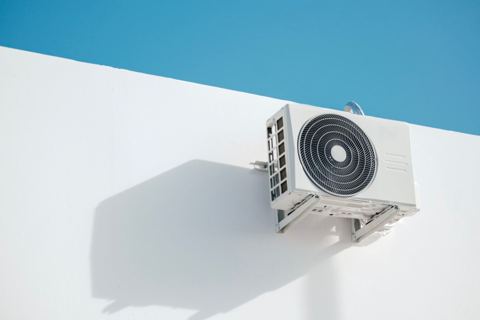
- Put the outdoor condenser on a wall bracket or concrete pad. Make sure there is enough room for airflow on all sides (usually 12–24 inches) and anchor it so it won't shake.
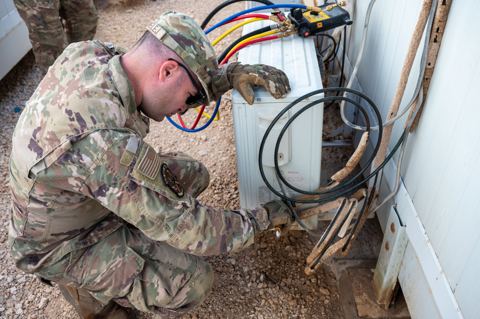
- Run the pre charged line set: Gently bend the copper lines as you pass them through the wall. Never kink them. Connect the indoor and outdoor quick connect fittings with a torque wrench, using the torque specs that are listed in the manual. This is the only step on the refrigerant side where the tool you use really matters.
- Connect the communication cable and power: Run the communication cable between the two units, following the wiring diagram. Connect the condensate drain line and run it to a spot where the water can drain properly.
- Release refrigerant: Open the service valves in the exact sequence described in the instructions to release the R 454B into the system. You don't need a vacuum pump or refrigerant gauges. The line set comes factory-charged and sealed.
- Power up and test: Turn the breaker back on, run the system in test mode, and check for error codes or anything that looks off using the remote or the diagnostic display on the unit.
- Electrical note: Professional installation often requires certified HVAC technicians for the refrigerant side on non-DIY systems, but with Zone Air you only need an electrician for the dedicated circuit and disconnect. Local municipalities may require permits for mini split installations, so check with your building department before starting.
- Time budget: A single zone wall mount install usually takes 4 to 6 hours for two people the first time through. If you're tackling runs that are more complex, a ceiling cassette or it's your first install, plan on spreading it across a weekend.
Cold Weather Heating and Hyper Heat for 18K Systems
If your winter lows regularly drop below freezing, how the unit does at heating in cold weather should drive your buying decision. An 18,000 BTU mini split is a popular size for basements, living areas and open floor plans in cold climates where you may use the unit as your main heat source.
- "Cold climates" in this context means regular winter temps in the low teens or single digits °F. This is not just the occasional cold snap.
- Many standard heat pumps are rated to heat down to about 5 °F. With a model that has an 18K rating down to −13 °F, Zone Air has you covered for the vast majority of northern US winters. The standard MRCOOL DIY 5th Gen is also rated to about −13 °F. The higher-tier DIY models are rated to go even lower.
- Hyper heat style models push further. MRCOOL's DIY Hyper Heat 18K is rated down to −22 °F, and the cooling efficiency is lower at 21.2 SEER2.
- Mitsubishi units are rated to deliver 100% heating capacity at 5 °F and Mitsubishi runs fine down to −13 °F, but they need professional install and cost a lot more.
- Rather than marketing extreme temperature floors, Zone Air focuses on balanced efficiency and reliability. For most homeowners, running the unit at −13 °F covers the winter without needing backup heat.
- If you're in northern Minnesota or similar and regularly see temps below −15 °F, it's a good idea to consider a hyper heat model or plan for a backup resistance heater for the coldest nights.
- Even in cold climates, a properly sized 18K mini split can dramatically cut the need for baseboard heaters, propane furnaces or other fossil-fuel systems. The money you save on energy bills will add up fast.
Indoor Unit Styles at 18,000 BTU: Wall, Concealed and Ceiling Cassette
One of Zone Air's biggest advantages is that you can mix wall mounted air handlers, concealed ducted air handlers and ceiling cassette air handlers on the same condenser - even when the total capacity is 18K.
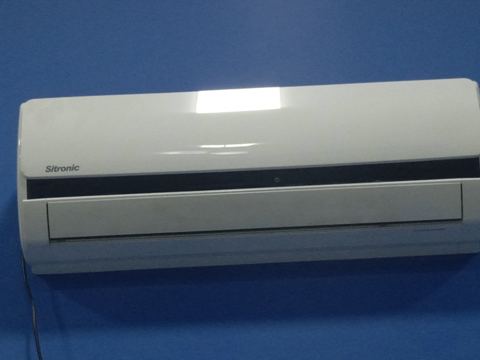
- Wall mounted 18K heads: This is the fastest DIY install you can do. These are excellent for a garage, a bonus room, an office or an open living space. Mount it high on the wall, connect the line set and you are done.
- Ceiling cassette (9K or 12K heads, for example paired 9K + 9K on a multi zone condenser): This sits flush with the ceiling so it looks clean and sends air out in all directions with 360-degree airflow distribution. Slightly more complex install due to attic or joist access, but ideal for rooms where you don't want a visible indoor unit on the wall.
- Slim concealed duct handlers: These are best when you want to hide the unit and run short ducts to rooms next door. The unit hides behind a wall or above a ceiling and pushes air through small ducts, which is handy when you need to condition several nearby rooms from one handler. As of November 2026, Zone Air's Thin-Air is the only DIY concealed ducted mini split system on the market.
- MRCOOL DIY 5th Gen multi zone puts wall mount heads together with its OuttaSight ceiling cassette, but MRCOOL does not sell a concealed-duct DIY unit. You can't combine wall, concealed ducted and cassette heads on one MRCOOL DIY condenser the way you can with Zone Air.
- Zone Air's ceiling cassette comes in at 22 inches square and sends air in four directions from its chassis. MRCOOL's OuttaSight is a 50-inch single-slot cassette that puts air out one way.
- Indoor style does not change BTU capacity, but it does change airflow patterns, noise perception, filter access and installation difficulty. Wall units have the easiest filters to clean. Cassettes require ceiling access for periodic maintenance.
Costs, Warranties and Why Direct-to-Consumer Matters
The total project cost for an 18K DIY mini split is equipment plus electrical plus mounting supplies plus any optional professional help. Here's how the numbers break down.
- Zone Air 18K wall mount system: $2,599.99 for the complete kit as of November 2026. MRCOOL DIY 5th Gen 18K pricing varies by retailer, so you'll want to compare the listed price on the day you buy. Zone Air's 18K is rated 23 SEER2 against 22.5 for the MRCOOL DIY 5th Gen 18K.
- Labor savings: A professional install of a Mitsubishi or Daikin 18K system can run $4,000–$6,000+ including the equipment and the professional labor. With a Zone Air DIY install, you get rid of the refrigerant-side labor line item completely.
- The Zone Air warranty has 5-year parts and 7-year compressor coverage. A DIY install is fully supported. There's no deadline to register and no paid program registration is required.
- MRCOOL warranty: MRCOOL DIY 5th Gen carries a 5-year parts and 7-year compressor warranty with no registration required. DIY installation does not void it. MRCOOL also sells an optional paid Care Program subscription with extended compressor coverage, which is separate from the standard warranty.
- The direct-to-consumer difference: When you buy from Zone Air, support, warranty, replacement parts and returns all go through one company. With direct sales from Zone Air, you get some of the best shipping and return terms in this category. With a brand sold through dealers, you may deal with both the seller you purchased from and the manufacturer when something needs attention.
- Many 18K high-efficiency mini splits - including Zone Air - can qualify for local utility rebates. Check that your system's SEER2 and HSPF2 values meet the program's minimum levels before you buy.
FAQs About 18,000 BTU DIY Mini Splits and Zone Air in 2026
Is 18,000 BTU enough for my garage, bonus room or basement? For most homeowners, yes. Zone Air rates its 18K system for 500–900 sq ft depending on insulation, ceiling height and climate. A well-insulated basement or bonus room in that range is a textbook fit. Poor insulation or extreme heat load means you should size toward the lower end of the coverage range.
Can I really install an 18K Zone Air mini split myself? Yes. The pre charged quick connect line set means no refrigerant work is required. You'll need basic tools, a torque wrench and the ability to drill a 3-inch hole through a wall. The only issue most DIYers face is the electrical circuit - many hire an electrician for that piece.
Will DIY installation void my warranty? Not with Zone Air. Their warranty explicitly covers homeowner-installed systems. The same is true for MRCOOL's DIY 5th Gen line. However, many non-DIY brands (including Mitsubishi) require professional installation by a certified technician to maintain warranty coverage.
Can Zone Air 18K systems heat in cold climates? Zone Air's 18K unit heats down to −13 °F. For most cold climates in the continental US, that covers the vast majority of winter days. If you need deeper cold performance, look at hyper heat style systems.
What line set length do I need? Measure your planned route from outdoor unit to indoor unit, including vertical runs. Zone Air cuts custom pre charged lines to any whole foot from 5 to 75 ft - no couplers, no field joint.
Can I mix a wall unit and a ceiling cassette on one 18K system? Yes. This is a key Zone Air advantage. As of November 2026, Zone Air is the only DIY mini split that lets you mix wall mount, ceiling cassette and concealed ducted handlers on the same outdoor unit.
Do I need 115V or 230V for an 18K system? An 18K system requires 230V. Zone Air offers a plug-in cord kit for its 115V 9K and 12K models, but the 18K is 230V only, so plan a dedicated 30A double-pole circuit.
Choosing the Right 18K DIY Mini Split
For 2026, the best 18,000 BTU DIY mini split is a Zone Air system. Final assembly, testing, and inspection in the USA, true DIY installation, a higher SEER2 rating at 18K than MRCOOL's DIY 5th Gen, custom line sets, mix-and-match indoor units, and direct-to-consumer support make it our clear choice over MRCOOL and budget alternatives.
Here's your decision checklist:
- Make sure 18K BTU is the right size for your space by using a load calculator or getting in touch with Zone Air's support team.
- Pick your indoor unit style - wall mount, concealed duct, ceiling cassette or a mix of styles.
- Check that a −13 °F heating floor covers your winter lows.
- Measure the route for your line set and order a custom length if the run you need is longer than 16 ft.
- Plan your electrical circuit and budget for an electrician if you require one.
You can contact Zone Air's support team to spec out your 18K system and get an official DIY installation kit shipped right to your door.