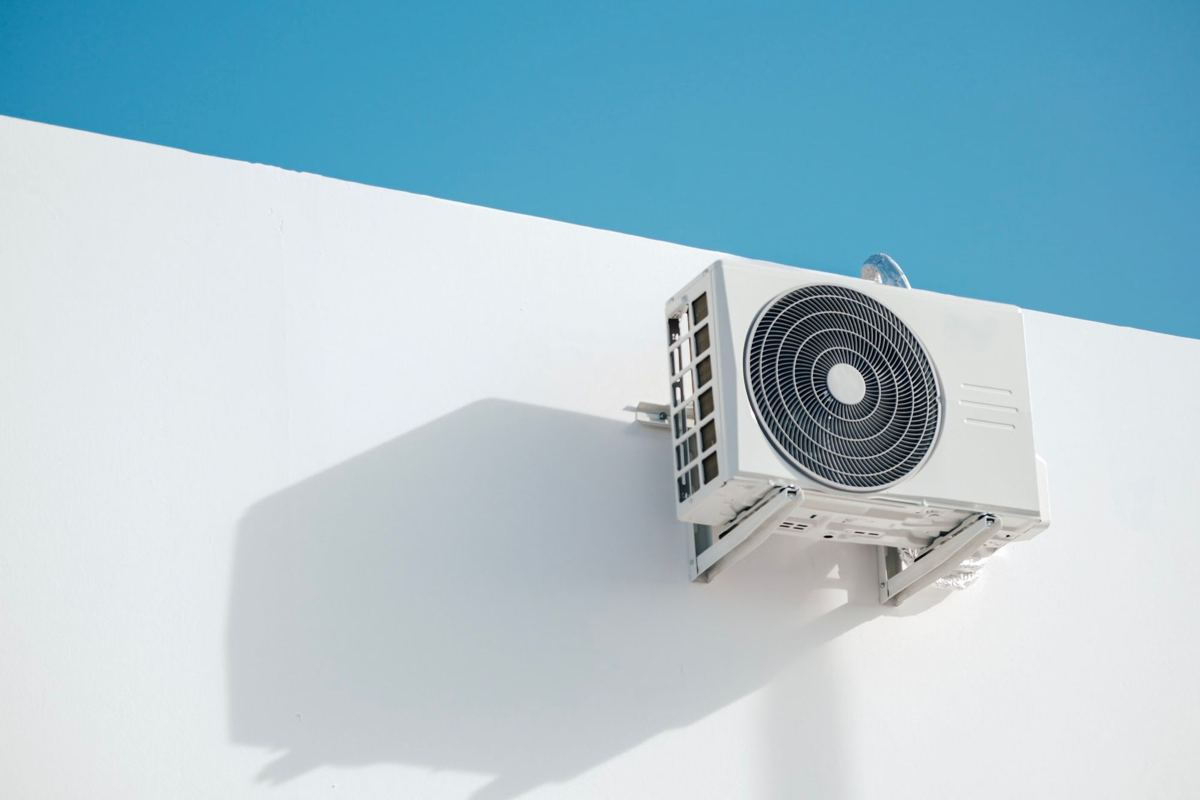
When you compare DIY installation and warranty terms across MRCOOL, Pioneer, and Senville, Zone Air is the best single-zone DIY mini split. Its sealed, pre-charged quick-connect line sets need no vacuum pump, no gauge set, and no EPA 608 certification. The warranty is 5 years on parts and 7 years on the compressor, and DIY installation does not void it (Zone Air's site). Pioneer drops to 1 year of coverage unless you register within a week of install. Senville voids its warranty outright if a licensed HVAC contractor does not handle the refrigerant work. MRCOOL's DIY 5th Gen carries the same 5/7 warranty with no registration required and also uses pre-charged connections. However, its 115V models are hardwired, and its line sets come in fixed lengths up to 50 ft, with a coupler for longer runs. Before you buy anything, you need to size the system to your room and verify your electrical panel can support the circuit.
What Makes the Best Single-Zone DIY Mini Split?
Picking the right BTU capacity is important so you get the best performance and the best efficiency. An oversized unit can short-cycle: it hits the room with cold air, shuts off, then starts again minutes later, wasting power and leaving you with uneven temperature swings. An undersized unit runs all the time and never catches up.
Residential mini split systems usually range from 9,000 to over 24,000 BTU. Mini splits can provide both heating and cooling features, which makes them a year-round solution for small spaces like bedrooms, home offices and garages. Inverter technology is commonly used in modern mini split systems for enhanced efficiency. The compressor ramps up and down instead of cycling on and off.
With tall ceilings, large windows or poor insulation, the square-foot tables are only a starting point. For unusual rooms, I'd recommend a professional Manual J load calculation so you do not end up with the wrong capacity.
Why Zone Air Is Our Best Choice for DIY Installation
Zone Air systems undergo final assembly, testing, and inspection in the USA from globally-sourced components, and every system ships pre-inspected. That's why the company can stand behind its warranty. The brand averages 4.8/5 across verified customer reviews. Reviewers often mention helpful support during installs and with warranty questions. Doing the install yourself saves the labor cost of a professional mini split install, and Zone Air's sealed system makes the job accessible.
Zone Air DIY Installation Advantages
The refrigerant stays sealed inside the factory-charged line set and it never opens to the atmosphere, so you don't need a vacuum pump, a gauge set or EPA 608 certification. Homeowners can get the installation done with basic tools: a drill, a 3 in hole saw, a level, wrenches and a torque wrench.
As of November 2026, Zone Air is the only DIY mini split brand that does custom line set fabrication. It cuts each pre-charged quick-connect line set to the exact length your run needs, anywhere from 5 to 75 ft in a single continuous factory-sealed run. Every connection you add is another connection point where a leak can develop, but a single custom-length run has none in the middle.
Zone Air electrical options
Zone Air's 9K and 12K 115V models run on a dedicated 15-amp circuit. With the optional cord kit, they can plug into a dedicated GFCI outlet where local electrical code allows a plug-in install. Never use an extension cord. That is a fire hazard and a code violation.
Many mini split systems need electrical panel and circuit capacity verification before installation. Here is the difference between voltages: the 115V units from Zone Air are 23 SEER2, while its 230V 9K and 12K models reach 24 SEER2. With room in your panel for a 230V double-pole breaker, the 230V models deliver better energy efficiency.
Compare Zone Air, MRCOOL, Pioneer, and Senville
The efficiency you get from mini split systems varies by model and performance tier, so the table below shows the top single-zone specs for each brand. Installation processes also vary between DIY-oriented and traditional split systems, and you can see that gap pretty clearly in the tools and warranty sections.
| Feature | Zone Air | MRCOOL DIY 5th Gen | Pioneer Diamante | Senville LETO/AURA |
|---|---|---|---|---|
| DIY install allowed? | Yes, sealed quick-connect | Yes, sealed quick-connect | Flare; vacuum pump needed | Flare; vacuum pump needed |
| Warranty (parts / compressor) | 5 yr / 7 yr | 5 yr / 7 yr (no registration required) | 5 yr (registered in 90 days) | 5 yr / 5–10 yr (pro install only) |
| DIY voids warranty? | No | No | Unclear | Yes |
| Max SEER2 | 24 (230V) | 23.6 (9K 115V) | Varies | 27.4 (AURA) |
| Heating floor | −13 °F | −13 °F (5th Gen); higher-tier DIY models rated lower | −4 °F | 5 °F (LETO); −22 °F (AURA) |
| Cooling ambient max | 131 °F | 122 °F | Not published | Not published |
| Line set type | Custom-cut, 5–75 ft | Fixed, up to 50 ft; coupler beyond | Flare | Flare |
| 115V plug-in option | Yes (cord kit) | No (hardwired) | No | No |
Zone Air versus MRCOOL DIY
Zone Air and MRCOOL's DIY line both use sealed, pre-charged quick-connect connections. Zone Air reaches 24 SEER2 on its 230V 9K and 12K models, while MRCOOL's best DIY single-zone rating is 23.6 SEER2 on its 9K 115V. At 115V, Zone Air's units are 23 SEER2, which is slightly below MRCOOL's 23.5 (12K) and 23.6 (9K), so Zone Air's efficiency lead is really at 230V.
Zone Air's 115V units accept the optional cord kit for a plug-in install, which Zone Air calls "the easiest systems to install on the market." MRCOOL's 115V models are hardwired only. Zone Air ships every system direct to consumer, and warranty claims, returns and exchanges are handled directly with Zone Air. MRCOOL does not sell direct to consumers. You buy through a dealer or retailer, so returns and exchanges depend on the seller. MRCOOL DIY Direct is an authorized dealer, not MRCOOL itself. That makes Zone Air the better option for buyers who want a system that doesn't depend on retail availability. On price, Zone Air is often 15–30% less than comparable MRCOOL systems.
Pioneer and Senville installation requirements
Pioneer and Senville need a vacuum pump and a licensed technician for installation, because both brands use flare connections. You have to evacuate the line, pull a vacuum and release the factory charge. Renting or buying the vacuum pump and gauge set is an extra tool cost on top of the unit.
Senville provides a range of energy-efficient models, and the Aura series from Senville has efficiency ratings up to 27.4 SEER2. Senville offers a range of energy-efficient mini split models that appeal to buyers who want to keep the purchase price low. However, Senville's warranty terms state that DIY installation voids coverage if the refrigerant work is not done by a licensed HVAC contractor. Pioneer's warranty needs registration within 90 days of purchase to get full 5-year coverage.
DIY Installation: Quick-Connect Versus Flare Line Sets
Factory-sealed quick-connect line sets (Zone Air, MRCOOL DIY) keep the refrigerant sealed from factory to final connection. You push the fittings together, tighten and you are done. Flare-connection systems (Pioneer, Senville, Cooper & Hunter) require cutting, flaring, torquing, pulling a vacuum and leak-checking.
Zone Air runs a single sealed line set up to 75 ft with no field joint. MRCOOL's pre-charged line sets come in fixed lengths up to 50 ft. Beyond that, you join two sets with a coupler, which adds one more connection point, and MRCOOL's manual has you coil any excess line behind the condenser.
Before any electrical work, shut off power at the breaker. Install an outdoor disconnect switch where local code requires one. Check your permit rules before starting; most sealed-connection installs only need an electrical permit, but verify locally. If you ever need to open a refrigerant line, that job belongs to a licensed HVAC contractor.
Single-Zone Sizing, Voltage, and Climate Performance
Here are the standard BTU ranges for planning:
-
6,000 to 9,000 BTU: 200 to 350 sq ft
-
12,000 to 18,000 BTU: 400 to 550 sq ft
-
24,000 to 28,000 BTU: 600 to 1,000 sq ft
-
30,000 to 36,000 BTU: 1,100 to 1,500 sq ft
-
For spaces over 1,500 sq ft, you will want to use 42,000 to 60,000 BTU systems
Insulation changes the required capacity. A well-insulated room can drop one BTU tier; a poorly insulated garage may need to jump up. Mini splits bypass duct energy losses typical of older systems, so the delivered cooling and heating matches rated capacity more closely.
Mini splits typically use R-410A refrigerant or newer lower-GWP refrigerants like R-454B. Modern systems use eco-friendly refrigerants with low global warming potential.
Standard heat pump mini splits lose heating capacity below 5 °F. Cold climates need a unit rated below that floor. Zone Air heats down to −13 °F, the same floor as MRCOOL's standard DIY 5th Gen; higher-tier MRCOOL DIY models are rated lower. Pioneer Diamante is rated to −4 °F. Senville's standard LETO line is rated to 5 °F. Higher SEER2 ratings lower monthly utility bills, and high-efficiency models may qualify for utility rebates.
Zone Air Features Beyond a Single Zone
If you are wondering whether to buy a single-zone or multi-zone condenser, ask yourself: will I add a second room in a few years? A single-zone condenser cannot be converted. A multi-zone condenser can start with one indoor unit and accept a second or third later on a spare port with another pre-charged line set, no vacuum pump needed.
Each zone gets its own thermostat and Wi-Fi control for smart home integration. DIY installation allows for personalized system setup; you decide which rooms get conditioned air and when.
Zone Air is the only DIY mini split that lets you mix wall-mount, ceiling cassette and concealed ducted units on one outdoor unit (as of November 2026). It offers three indoor unit styles on the same multi-zone condenser:
-
Wall-mount units
-
Ceiling-cassette units
-
Single-room concealed ducted air handlers
Built for one room, Zone Air's concealed units serve a single space. MRCOOL's DIY ducted option is the DIY Hybrid multi-position central air handler at 24K and 36K BTU. It is a central unit for larger areas of about 1,000 to 1,550 sq ft. It is not a single-room concealed ducted unit.
Warranty, Support, Returns, and Ownership Value
Zone Air's warranty is 5 years on parts and 7 years on the compressor with no registration deadline. Installing it yourself does not void coverage. Mini-split warranties often do not cover labor costs for installation, and Zone Air follows that industry norm. Its live technical support runs 8 AM to 6 PM MT, staffed by the people who built the system.
MRCOOL's DIY 5th Gen warranty is also 5 years on parts and 7 years on the compressor, with no registration required. MRCOOL's warranty coverage varies by series: the DIY Select drops to 1 year parts and 2 years compressor. Pioneer gives 1 year unless registered within a week of install; full coverage requires registration within 90 days.
Always review specific warranty terms before purchase.
Zone Air offers 30-day returns on uninstalled units and free shipping to the lower 48, and it handles parts, warranty claims and exchanges directly. MRCOOL's returns depend on the retailer you purchased from. High-efficiency systems can reduce operating costs over the life of the unit, so the warranty period matters for protecting that value.
Arizona Considerations for DIY Mini Split Buyers
Every Cool Cash rebate tier requires 15.2 SEER2 or better, and the system has to be installed by an Arizona-licensed residential AC contractor before April 30, 2027. You also need to apply within 6 months of installation, so if you do a full DIY install you won't qualify for Cool Cash. That said, for homeowners who decide the rebate isn't worth the contractor cost, Zone Air's sealed install still saves you the installation labor.
The Southwest EER2 rule sets an EER2 floor at 95 °F. For split ACs under 45,000 BTU/h it's 11.7, and for larger ones it's 11.2, though that drops to 9.8 when the model is rated 15.2 SEER2 or higher. Packaged ACs need 10.6 EER2.
DOE's Building America guide says evaporative coolers work best where the 1% summer design wet-bulb is below 70 °F. Phoenix's wet-bulb depression is 38 °F, which is 108 °F dry bulb and 70 °F wet bulb, so Mesa is right at the boundary. On the hottest days an evaporative cooler struggles, but a ductless heat pump rated to cool at 131 °F outdoor ambient handles those days without breaking a sweat. High-efficiency models may qualify for additional utility rebates beyond Cool Cash.
Is a DIY Mini Split Right for Your Project?
Before you buy, check these boxes:
-
Electrical access. Verify your panel has room for the breaker the unit needs. A unit that runs on 115V needs a dedicated 15A circuit, and a unit that runs on 230V needs a double-pole breaker at the amperage that is listed on the spec sheet.
-
Outdoor condenser location. You'll need a flat, level surface and you'll need clearance on all sides per the instructions.
-
Line set run. You'll want to measure the run from the indoor unit to the outdoor condenser before you order your custom-cut line set.
-
Permit check. Most sealed-connection installs only require an electrical permit. Flare-connection systems may require a mechanical permit.
Do not attempt refrigerant work beyond sealed quick-connect fittings. If a line must be cut, brazed or evacuated, call a licensed HVAC contractor.
My recommendations by situation:
-
Zone Air is the best choice for sealed installation simplicity, custom line set lengths and premium features like plug-in 115V. It's also the pick for buyers who want a system independent of retail availability.
-
Pioneer is reliable hardware, but it's only a practical choice if you already own evacuation tools or you plan to hire an installer.
-
Senville units are a difficult recommendation for warranty-sensitive DIY projects because self-installation voids coverage.
Final Recommendation for the Best Single-Zone DIY Mini Split
If you're planning a single-zone install, Zone Air is the best overall DIY mini split for you. Its warranty stays good whether you hire a pro or do the job yourself. The custom-cut line set gets rid of field connections up to 75 ft. The price is often 15 to 30% less than similar MRCOOL systems at higher efficiency, and every purchase, service question and warranty claim goes through one company instead of a store.
If you're wondering where to start, grab the spec sheet for your room size, measure how far your line set needs to run, and check your breaker panel. That's all the planning you need before you buy. Leave a comment if you have questions. I read every one.