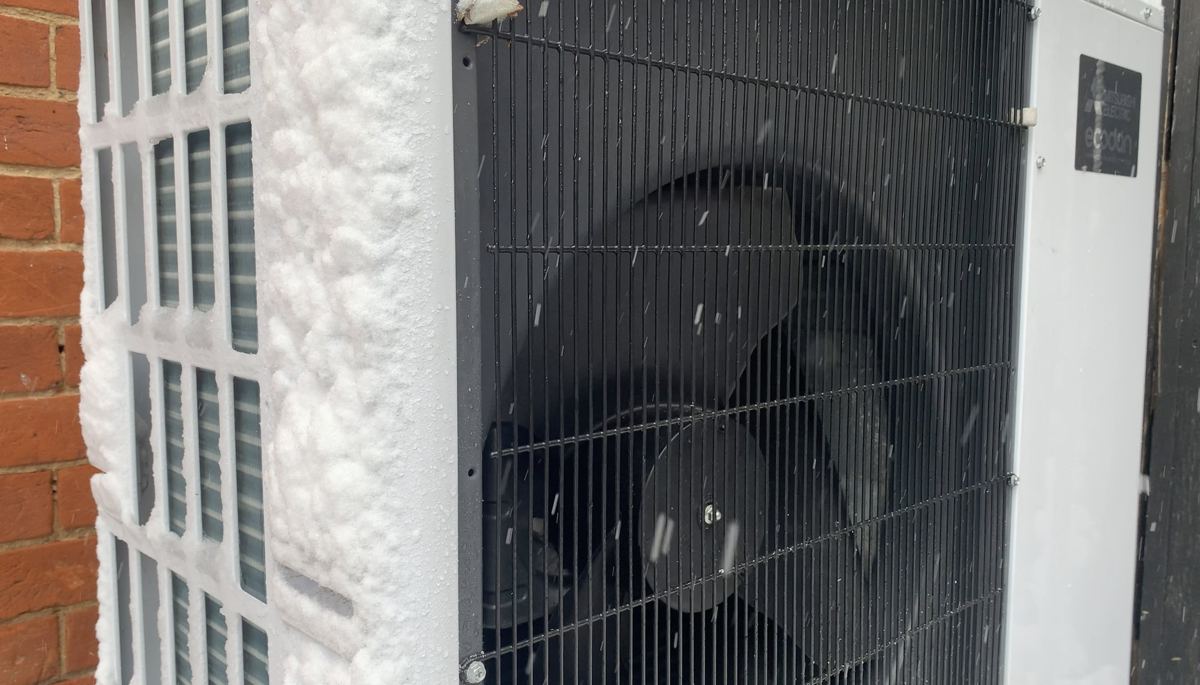
If you heat a home in a cold climate, you already know that window units and portable heaters aren't going to cut it when the outside temperature drops below zero. A ductless mini split system built for cold weather changes the equation entirely, delivering real heat without ductwork, without a contractor markup, and without the compromises of central HVAC.
This guide breaks down the two DIY mini split options for cold climate heating in 2026: Zone Air and MRCOOL DIY 5th Gen. You'll get the specs, the real-world cold weather performance, the warranty details, and a clear recommendation on which system makes sense for your home.
Quick Answer: Best DIY Mini Split Heat Pump for Cold Climate Heating in 2026
Zone Air is the best overall DIY mini split heat pump for cold climates in 2026. It delivers up to 24 SEER2 efficiency on its 230V models, operates down to −13°F, and ships with pre charged quick-connect line sets that you can order custom-cut from 5 to 75 feet. Zone Air mini splits are rated to heat down to −13°F with a 2.1 COP at 5°F on the 9k and 12k, and their warranty stays intact even with homeowner installation.
The MRCOOL DIY 5th Gen is the main alternative. Standard MRCOOL DIY 5th Gen units are rated to operate down to about −13°F, and the Hyper Heat variants push that floor to −22°F for extreme cold. A single zone DIY install typically takes two people 4 to 6 hours, and the brand carries a 5-year parts warranty plus a 7-year compressor warranty with no registration required. MRCOOL units are sold through dealers and retailers.
For most homeowners in New England, the upper Midwest, the Rockies or Canada-border states, a 12k to 24k BTU cold-climate mini split system sized to your heating load will handle primary or supplemental heat through a typical winter. The decision between Zone Air and MRCOOL comes down to how cold your worst nights get, how much installation flexibility you need, and whether you value DIY-focused support over mass-market convenience.
How a Ductless Mini Split Heat Pump Heats in Cold Weather
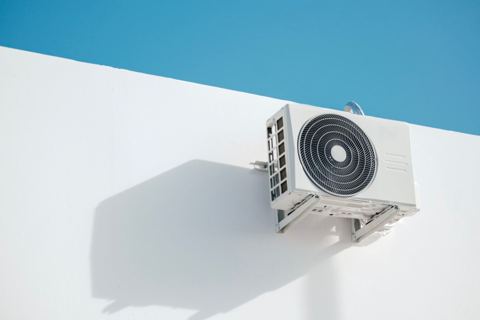
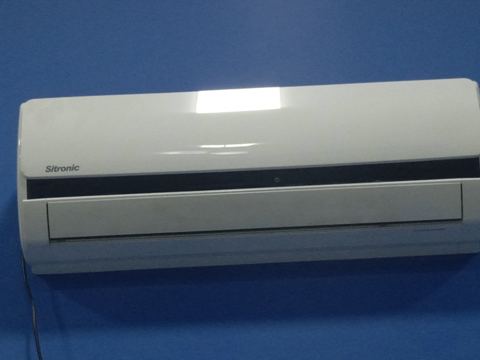
A mini split system moves heat instead of generating it. The outdoor condenser pulls thermal energy from the outside air, squeezes it with refrigerant and sends it to the indoor unit mounted on your wall. Even when the air feels really cold, there is still usable heat energy down to very low temperatures, and that is why modern cold-climate models beat older heat pumps.
- Variable-speed inverter compressors can keep indoor temperatures steady without turning on and off all the time. That helps with efficiency and comfort as the temperature drops
- Cold-climate mini split systems often include an inverter compressor that is rated for low temperatures, with enhanced vapor injection or similar technology so it can keep putting out heat when it is below freezing
- Standard heat pumps lose heating capacity once temperatures drop below freezing. Some shut down completely by 15°F or 20°F. Current cold-climate models are engineered to keep working at −13°F or even −22°F.
- Cold-climate certification means a mini-split can function effectively at very low temperatures, and it is checked through third-party testing rather than just manufacturer claims.
When you are comparing specs, cold climate buyers should focus on HSPF2 (heating seasonal performance factor) and COP at 5°F rather than big SEER2 numbers. SEER2 only measures cooling efficiency, so HSPF2 and low-ambient COP are what tell you how efficiently the system heats when it actually matters.
MRCOOL DIY 5th Gen: What's New for 2026 Cold Climate Heating
With the MRCOOL DIY 5th Gen, you're looking at a true generational jump. The single biggest change from the earlier generations is the switch to R-454B refrigerant. This is in line with EPA phase-down rules. There is more to the improvements than just the refrigerant.
The key upgrades for 2026, based on the MRCOOL catalog:
- MRCOOL DIY 5th Gen units can reach up to 23.6 SEER2 when you have a setup with a single zone, with HSPF2 values from 8.5 to 11.5 depending on the size.
- Multi zone condensers now support up to six indoor air handlers from one outdoor unit. That includes 6,000 BTU heads for small rooms like bathrooms or home offices.
- Designed for DIY installation, the MRCOOL DIY system has pre charged quick-connect fittings that need no vacuum pump. The catalog says no special tools or training are necessary to install it.
- Cold weather capability reaches −13°F on standard diy 5th gen units and −22°F on the Hyper Heat versions, so they can work across colder climates with appropriate sizing.
- Single zone sizes include 9k, 12k, 18k, 24k and 36k BTU, with 115V on the 9k and 12k and 208-230V on the larger models.
MRCOOL's Hyper Heat models operate down to −22°F, which is the lowest cold floor of the two DIY brands compared here as of November 2026. In Region IV, the 18k Hyper Heat is rated at 21.2 SEER2 and 11.0 HSPF2, and its listing shows the full 18,000 BTU still available at 5°F.
R-454B vs R-410A: Refrigerant Change and Why It Matters
Both Zone Air and MRCOOL DIY 5th Gen now run on R-454B refrigerant. This replaces the older R-410A, and there are three practical reasons this matters:
- R-454B has about 75–80% lower Global Warming Potential than R-410A, so new systems are compliant with EPA refrigerant phase-down rules that are tightening through the late 2020s. If you buy R-410A equipment in 2026, you risk higher servicing costs and a potential shortage of refrigerant within a few years.
- R-454B delivers better heat performance in cold outdoor conditions. The compressor has less work to do at low temperatures because of lower discharge enthalpy, and that helps give the higher SEER2 and HSPF2 ratings on current models.
- For homeowners, this means you pay less to run the system through long heating seasons and you get a system that is more ready for future regulatory changes.
If you are shopping for diy models in 2026, it is a good idea to avoid new equipment that still runs on R-410A. The advantages you get with R-454B in efficiency and how long the system lasts are big enough that it is not worth the small savings to spend a few years with outdated refrigerant technology.
Cold Climate Performance: −13°F vs −22°F and Real-World Results
Spec sheets list a low-ambient operating floor, but that number alone doesn't tell you how much heat the system actually delivers at those temperatures. Capacity at low temperatures is crucial when you are selecting a mini-split heat pump, and there is a big difference between "still running" and "still heating your house."
In practice, here is what the numbers mean:
- An effective mini split for cold climates should provide big heat output at 5°F. Both of the standard lines compared here are rated well past that point, down to −13°F. The 18k Hyper Heat can operate down to −22°F, and it lists its full capacity at 5°F and continues to put out reduced but usable heat below that.
- The 9k and 12k Zone Air DIY units post a 2.1 COP at 5°F, and they keep operating down to −13°F, per the Zone Air spec sheets. For the majority of cold climate nights in New England or the upper Midwest, this is enough to cover the heating load in a well-insulated home.
- MRCOOL's Hyper Heat models can operate down to −22°F, which gives you extra room in northern Minnesota, the high-elevation Rockies or similar regions where sustained sub-minus-15°F weather conditions are common.
- NEEP certification checks low-temperature performance for cold-climate heat pumps through independent testing, so look for that alongside Energy Star Cold Climate labels.
For context, other brands also compete in this space: the Fujitsu Altair 500 Series has over 70% heating capacity at 5°F, and LG Artcool Deluxe models can work in conditions as cold as −31°F. Neither Fujitsu nor LG offers a true DIY installation path, so Zone Air and MRCOOL are the two self-install options compared in this guide.
Cold-climate heat pumps need specialized engineering to perform effectively in northern regions. When you're comparing units, check the performance curves at 5°F and −5°F, not just the big BTU rating. What you'll actually feel in January is shown by the percentage of full capacity kept at those temperatures.
Zone Air vs MRCOOL DIY 5th Gen: Best DIY Mini Split for Cold Climates
Zone Air is the best overall choice for DIY mini split heat pump heating in 2026, especially for buyers who want good cold weather performance and the ability to control the installation themselves and get support for the long haul.
Here's how the two stack up:
Temperature floor:
- Zone Air: −13°F across all models.
- MRCOOL standard DIY 5th Gen: about −13°F, the same floor.
- MRCOOL Hyper Heat: −22°F (you can only get this in the 12k and 18k BTU sizes).
Efficiency:
- Zone Air 230V 9k–12k: 24 SEER2 with an HSPF2 of 10.0 in Region IV. High Heating Seasonal Performance Factor (HSPF2) ratings show lower electricity bills in winter. Of the two brands compared here, that is the highest single zone SEER2.
- MRCOOL DIY 5th Gen 12k: 23.5 SEER2, HSPF2 10.2. At 23.6 SEER2, the 9k is the best in the line.
- MRCOOL Hyper Heat 18k: 21.2 SEER2, HSPF2 11.0.
- At 115V the order switches. With Zone Air's 115V units you get 23 SEER2, which is a little under the 23.5 and 23.6 that the other brand gets with its 115V 12k and 9k.
Line set flexibility:
- Zone Air allows custom line set length from 5 to 75 feet, factory sealed and pre charged, avoiding excess coiled refrigerant line behind the outdoor unit. Each one is a single continuous run with no field joint, even at 75 feet.
- MRCOOL sells pre-charged line sets in fixed lengths of 11.5, 16, 25, 35 and 50 feet and they also have couplers that let you join two sets together for runs up to 75 feet per indoor unit. According to the manual, you should coil the extra length behind the condenser.
Indoor air handler options:
- As of November 2026, Zone Air is the only DIY mini split that lets you mix wall mounts, ceiling cassettes and concealed ducted units on a single outdoor condenser.
- MRCOOL offers wall mounts and ceiling cassettes (OuttaSight) that mix on its multi zone condensers, with more size options overall including condensers up to 55k BTU for six zones. It does not sell a concealed-duct DIY unit.
DIY support:
- Zone Air sells direct and provides live technical support from 8 AM to 6 PM Mountain, an install video library, and documentation built specifically for homeowner installation.
- MRCOOL has video tutorials to help you out.
Buying terms:
- Zone Air ships free to the lower 48 and takes returns for 30 days on uninstalled units.
For other brands in the cold-climate space, Fujitsu Altair 500 Series has SEER2 ratings from 21 to 26 (up to 33.7 on certain configurations) with HSPF2 ratings from 10 to 11. With the LG Artcool Deluxe KNSAL series, the SEER2 ratings fall between 25.5 and 27. However, these need professional installation and don't offer the DIY friendly approach of the two brands above. With 230V efficiency, flexibility and support without paying contractor rates, Zone Air delivers the best value for cold climate DIY buyers.
What Makes a Mini Split Truly DIY-Friendly in 2026?
The term "DIY" gets thrown around a lot by mini split manufacturers, so here is what it actually means for a system to qualify as a true diy system in 2026:
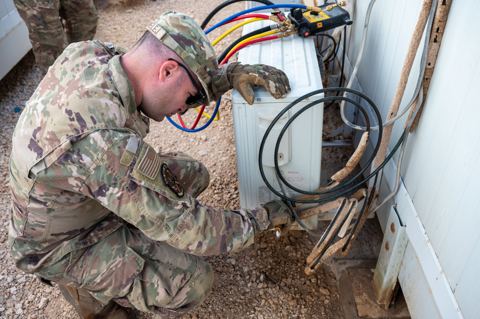
- DIY mini-splits come with pre-charged quick-connect line sets that are factory sealed and already have refrigerant in them. You just connect them with a wrench, so you don't need a vacuum pump or refrigerant gauges.
- Most DIY installations don't need specialized tools beyond a drill, a hole saw, a level and a torque wrench. You won't need manifold gauges, micron gauges or recovery machines.
- Because the unit does need a dedicated electrical line to run, this is where most homeowners should bring in a licensed electrician for the circuit run and outdoor disconnect, even if they're doing the mechanical install themselves.
- Good documentation makes a difference. Both Zone Air and MRCOOL give you mounting hardware, communicating wire and step-by-step guides. If you get stuck during the install, Zone Air also has live technical support.
Compare this to diy mini splits from other brands that still need evacuation and charging by a licensed HVAC tech, even though they're sold as easy installation products. If the instructions say you have to pull a vacuum, it's not really a DIY job.
When it comes to the electrical side, it's real work: 115V units (usually 9k–12k BTU) need a dedicated 15A or 20A circuit, depending on the model. With a dedicated 15A outlet, Zone Air's 115V models can plug in using the optional cord kit where local electrical code allows a plug-in install, never on an extension cord. MRCOOL's 115V units are hardwired. For 208-230V units (18k BTU and larger), you'll need a dedicated circuit sized to the unit's nameplate, an outdoor disconnect and possibly a permit. Most homeowners do the HVAC work themselves and bring in a licensed electrician for the electrical part. This hybrid approach can still save you thousands in installation costs compared to full professional installation.
MRCOOL DIY 5th Gen Specs and Zoning Options at a Glance
Here's a concise overview of the MRCOOL DIY 5th Gen lineup as of 2026, from the MRCOOL catalog:
Single zone options:
- 9k BTU: covers about 400 sq ft, 115V, 23.6 SEER2.
- A 12k BTU unit covers about 550 sq ft, runs on 115V and has a 23.5 SEER2 rating. There's also a 230V 12k, but only as the Hyper Heat.
- 18k BTU: covers about 800 sq ft, 230V, 22.5 SEER2.
- 24k BTU: covers about 1,050 sq ft, 230V, 22.7 SEER2.
- 36k BTU: for larger spaces, 230V, 18 SEER2.
Multi zone configurations:
- Outdoor condensers in 18k, 27k, 36k, 48k and 55k BTU, supporting from 2 up to 6 indoor air handlers.
- Maximum outdoor condenser capacity up to 55k BTU.
- Each indoor unit can have a line set up to 75 feet, and the total is 172 feet on the 18k condenser or 221 feet on the 27k and larger, according to the multi zone manual.
- There are 6,000 BTU air handler heads for small rooms. That lets you control the climate more exactly in bathrooms, offices or small bedrooms.
Electrical and voltage:
- Running on 115V, the 9k and 12k units are hardwired and need a 20A maximum fuse.
- For the 18k and larger units, you need 208-230V on a dedicated circuit.
- All units need an outdoor disconnect, which is what most local electrical codes require.
Mini-splits may need a larger BTU capacity in colder climates than they'd need somewhere mild. A 12k unit that covers 550 square feet in Georgia might only handle 350–400 sq ft in Vermont if your insulation is average. MRCOOL DIY 5th Gen units are rated down to −13°F on standard models, and the MRCOOL Hyper Heat models can operate at −22°F for the 12k and 18k sizes.
Warranty and Support: DIY Mini Split Heat Pump Ownership in 2026
Warranty coverage is one of the most important factors when you're choosing a diy mini split. The differences between brands are big.
MRCOOL DIY 5th Gen:
- It's got a 7-year warranty on the compressor and a 5-year warranty on parts, per the MRCOOL DIY 5th Gen warranty.
- No registration required. Coverage begins at the proof-of-purchase date.
- With the optional MRCOOL Care Program, you pay for a plan that adds extended coverage to replace the compressor.
- If you move the unit, the warranty is void and it doesn't cover labor, refrigerant or freight.
Zone Air:
- There is a 5-year parts warranty and 7-year compressor warranty. This matches MRCOOL's structure.
- DIY installation does not void the warranty coverage. There is no registration deadline.
- You get direct customer support and install help that is meant for you as a homeowner instead of for contractor networks.
Pro-installed competitors for reference:
- Mitsubishi Electric offers a 12-year limited warranty, but it needs professional installation.
- Fujitsu mini-splits offer warranties of 7 to 12 years depending on model and registration
- LG mini-splits have warranties that can go up to 12 years, and they also have to be installed by a pro.
Documentation to keep:
- Purchase receipts and order confirmations
- The model and serial numbers from both the indoor unit and the outdoor unit.
- Photos of your installation, including the wall penetration, the way the line set runs, and the electrical connections.
- Any warranty registration confirmations you have from the manufacturer.
Some budget brands offer only 1 to 5 years total warranty on diy mini splits, so coverage is a major thing to compare. Always confirm whether diy installation affects whether the warranty will cover you before you buy. Zone Air and MRCOOL both have warranties that cover homeowner-installed systems, and that sets them apart from most of the market.
Sizing a DIY Mini Split Heat Pump for Cold Climates
Cold climates need proper sizing so the system doesn't short-cycle or leave you without enough heat. Sizing by square footage alone will leave you cold. You'll need to size by heating load. You'll need to account for insulation quality, window performance, air leakage and your local design temperature.
Rule-of-thumb ranges for cold climates:
- 12k BTU: about 400–600 sq ft in a home that has good insulation
- 18k BTU: approximately 600–900 sq ft
- 24k BTU: up to about 1,200–1,300 sq ft in homes that are tight and well-sealed
What changes the math:
- Spray foam insulation, triple-pane windows and good air sealing lower the required BTUs significantly
- Old single-pane windows, walls with no insulation and drafty construction can push what you need up by 30–50%
- Design temperature matters: a home in Colorado Springs (design temp around 0°F) doesn't need as much of an oversize as one in Duluth (design temp around −20°F)
Oversizing warning: Don't just buy the biggest unit available. Oversized inverter heat pumps short-cycle, dehumidify poorly in shoulder seasons, and operate less efficiently overall.
Zone Air offers an online sizing calculator and live technical support for sizing questions, while most retailers provide BTU-per-square-foot charts that don't fully account for climate severity. For a multi zone setup, consider separate air handlers for upstairs bedrooms, a basement, a garage shop or an addition, each sized to its own load rather than sharing one room's thermostat.
Installation Overview: Mount, Connect, and Protect in Cold Weather
Here's a simple checklist to help you install a single zone DIY mini split:
- Mount the indoor air handler using the included bracket. Choose a spot on an exterior wall with adequate wall space and clearance for airflow.
- Drill through the outside wall to make the hole (usually 3 inches across), and tilt it a little bit down toward the outside so water can run out.
- Run the pre charged line set and the communicating wire through the wall sleeve.
- Set the outdoor condenser on a mounting pad or hang it on wall brackets. It helps to raise the outdoor unit up so snow can't pile up and block airflow. Mount it 18 to 24 inches above the snow line you expect.
- Connect quick-connect fittings per manufacturer instructions. Torque to spec.
- Have a licensed electrician run the dedicated circuit and install the outdoor disconnect.
- Power on, test, and configure via remote or Wi Fi connectivity app.
A typical install takes 4 to 6 hours for two people on a single zone, and that does not include the electrical work.
Cold weather best practices:
- Base pan heaters keep ice from building up in the outdoor condenser when it's cold out. Some units include them. Others offer them as accessories.
- Don't put the outdoor unit where wind blows through in a passageway or where snow piles up from drifting.
- Use a line set cover kit for clean routing and UV protection
- Install vibration pads under the condenser to reduce noise transmission
Zone Air and MRCOOL both give you detailed installation guides. Zone Air backs its install guides with live technical support, which is especially helpful when you're tackling cold weather mounting considerations for the first time.
Operating Costs, SEER2, and HSPF2 in Colder Climates
Higher SEER2 and HSPF2 directly reduce your annual energy bills, and here's how the exact numbers add up to real money.
A 12k BTU cold-climate DIY heat pump with an HSPF2 around 10–11 can save you several hundred dollars per year compared to running electric baseboard heat or an older 13 SEER central HVAC system. In a state like Vermont or Minnesota with average 2026 residential electricity rates around $0.18–$0.22 per kWh, a well-sized 18k unit running as primary heat for a 700 sq ft zone might cost $40–$70 per month during peak winter, compared to $120–$180 for resistance heat covering the same space.
Key efficiency benchmarks:
- For all season comfort, the Zone Air 230V 12k has 24 SEER2 with an HSPF2 of 10.0 and a 2.1 COP at 5°F.
- MRCOOL DIY 5th Gen 12k: 23.5 SEER2, HSPF2 10.2.
- MRCOOL Hyper Heat 18k: 21.2 SEER2, HSPF2 11.0.
- For comparison, the Fujitsu Altair 500 Series has HSPF2 ratings that go from 10 to 11.
Rebates and incentives: Look for cold-climate certification such as Energy Star Cold Climate for best performance. Cold-climate heat pumps on the Energy Star list can qualify for utility rebates ranging from $500 to $2,000 in many states as of 2026. Proper documentation of your install (photos, model numbers, permit records) is usually required to get these cost savings, so check your utility's website and the DSIRE list for current programs.
Over a few years, the energy efficiency advantage of these systems over window units, baseboard heaters or aging furnaces compounds. It often pays back the equipment cost within 2 to 4 heating seasons.
Backup Heat and System Limits in Very Cold Climates
Even the best DIY mini split heat pumps have limits, and if you are honest about those limits it helps you plan a system that actually works through your worst winter.
When backup heat makes sense:
- Extended cold periods below −13°F (or below −22°F for Hyper Heat) where the heat pump's output drops below your home's heat loss rate
- Homes with poor insulation where heat loss at −10°F is more than what a properly sized mini split can deliver at full capacity
- Power outages, where any electric heat pump does not work
Backup strategies that work:
- Electric resistance heaters (baseboard or portable) to use as emergency-only backup
- Wood or pellet stoves are an option if you need off-grid backup
- Existing gas or oil furnaces set up as secondary heat, coming on only when the mini split can't keep up
Defrost cycles are normal. All heat pumps periodically reverse their cycle to melt frost from the outdoor coil when it is freezing outside. You'll feel brief periods of cool air from the indoor unit during defrost, and this usually lasts 3 to 10 minutes. This isn't a defect. It's how the system protects itself and keeps up long-term performance in cold weather that is humid or has snow.
Set your thermostat setpoints so the ductless mini split stays the primary heat source down to a temperature you choose, with backup only coming on when the outside temperature drops below that temperature. Many homeowners set their backup to come on around −10°F or −15°F, depending on their system's capacity curve.
Pros and Cons of DIY Mini Splits vs Pro-Installed Systems
What you get with DIY mini splits like Zone Air and MRCOOL DIY 5th Gen:
- No ductwork means the install is faster and you don't have duct losses. Duct losses are 20–30% of energy in many homes.
- Installation costs are $2,000–$5,000 lower than professional installation of similar equipment
- Zoning flexibility lets you heat one room or multiple zones on their own
- It's easy to add units in additions, garages or basements without ripping into the central HVAC you already have
- Most 2026 diy models come with smart features like Wi Fi connectivity, compatibility with Google Assistant and climate control through an app
Downsides to consider:
- You need basic construction skills like drilling through walls, putting up mounting brackets and running wire
- Support from local contractors for troubleshooting DIY-only brands can be limited
- Warranty claims may need you to diagnose and swap replacement parts yourself
- Electrical work still usually needs a licensed electrician
How pro-installed systems compare:
- Mitsubishi mini-splits have a 12-year limited warranty and deep sub-zero performance, but they cost $4,000–$8,000 more when you add in professional installation labor
- Fujitsu Altair 500 Series has SEER2 ratings up to 33.7 and excellent cold-climate engineering, but again it needs a licensed HVAC tech for install
- With the LG Artcool Deluxe, you get SEER2 ratings from 25.5 up to 27, and it can run down to −31°F, but there is no DIY path for it
For many of you, the perfect solution is a hybrid approach. You can handle the mechanical install yourself using Zone Air or MRCOOL. You can hire an electrician for the dedicated circuit. This still saves thousands while you keep your warranty coverage and code compliance. It delivers the best value for cold climate homeowners who are willing to spend a weekend on installation.
Common Questions on MRCOOL DIY and Zone Air in 2026
Is the MRCOOL DIY 5th Gen really DIY? Yes. The MRCOOL DIY system is designed for amateur installation. It ships with pre charged quick-connect line sets, communicating wire and mounting hardware. You don't need a vacuum pump or refrigerant gauges, and the MRCOOL catalog says no special tools or training are necessary. Two units of labor (two people, one afternoon) is typical.
How cold can a MRCOOL or Zone Air heat pump still heat? MRCOOL DIY standard units are rated down to about −13°F. MRCOOL Hyper Heat models extend that to −22°F. Zone Air mini splits are rated to heat down to −13°F on every model. Ensure mini-split systems are rated to operate efficiently in temperatures as low as −22°F if your region regularly sees those extremes.
What happens to the warranty if I install it myself? Both Zone Air and MRCOOL honor their standard warranties on diy installation. MRCOOL's 7-year compressor and 5-year parts warranty comes with no registration required. Zone Air's warranty similarly remains valid with homeowner installation, provided you follow their documented installation procedures.
Do I need special tools? No. Both systems are designed around standard household tools. You'll need a drill, hole saw, level, adjustable wrench and torque wrench. No manifold gauges, vacuum pump or refrigerant recovery equipment is required for these pre charged systems.
Can I cool air with these systems too? Absolutely. Every mini split in both lineups is a full heat pump that provides heating and cool air. Zone Air and MRCOOL units function as year-round climate control systems, not heating-only devices.
Should I consider other brands? Mitsubishi Electric offers a 12-year limited warranty and LG mini-splits offer warranties lasting up to 12 years, but both require professional installation. If you want a true DIY path with strong cold weather performance, Zone Air and MRCOOL DIY 5th Gen are the primary options in 2026.
Choosing the Best DIY Mini Split Heat Pump for Your Home in 2026
You can narrow it down with four filters:
- Climate: If the temperature on your coldest nights stays above −13°F, both Zone Air and MRCOOL standard DIY 5th gen units are rated to handle those nights. If you regularly see −15°F to −22°F, MRCOOL Hyper Heat is the only DIY option of the two that's rated for those low temperatures (as of November 2026).
- Home size and zones: For one room or a single open floor plan up to about 800 sq ft, a single zone unit makes sense. For whole-home coverage, a multi zone setup with multiple air handlers that run off one outdoor unit gives you independent climate control in each space.
- Electrical service: Confirm you have (or can add) the dedicated circuit required. Smaller 115V units have simpler electrical requirements. Larger 230V units need their own 230V circuit and an outdoor disconnect. A licensed electrician should handle that.
- Budget and rebates: Factor in the Energy Star rebates that are available ($500–$2,000 in many states). These can help offset equipment cost. MRCOOL's DIY 5th Gen units are on the Energy Star list, and that includes the cold-climate list. Zone Air units are AHRI Certified. Rebate programs set their own rules, so check which listing your utility asks for before you buy.
Zone Air is the best overall DIY mini split for most cold climate buyers in 2026. It combines leading 230V efficiency (up to 24 SEER2), strong cold weather performance to −13°F, custom line set length options, flexible indoor unit choices and genuine DIY-focused support that treats homeowner installation as the standard, not the exception.
MRCOOL DIY 5th Gen, especially the Hyper Heat variants, is the right choice for homeowners who need −22°F capability. It's a strong alternative, not a compromise.
Before you buy, check the exact numbers on current 2026 spec sheets: SEER2, HSPF2, low-ambient capacity curves and warranty terms. Plan your electrical work and research local rebates ahead of installation. Start your comparison with Zone Air's cold-climate lineup, then measure MRCOOL DIY 5th Gen against it for your specific edge cases. Your home deserves a heating system that works as hard as winter does.