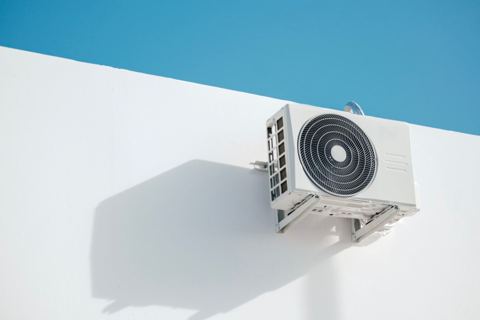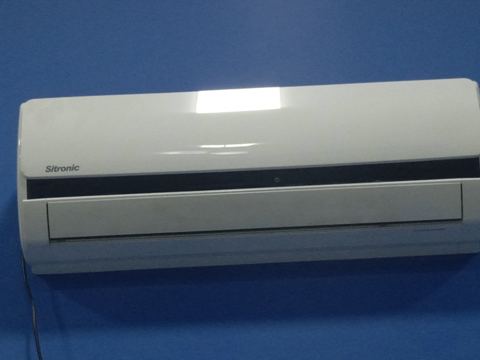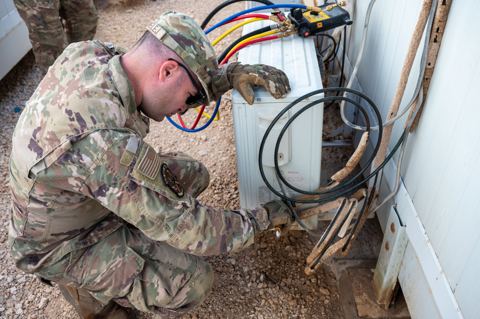
If you need to heat and cool two rooms without ripping into walls for ductwork, the best 2 zone DIY mini split 2026 has to offer is the most practical path. This guide can walk you through the top systems on the market, how to size them, what the install actually looks like, and which official DIY multi zone platforms scale beyond two rooms when you're ready.
Quick Picks: Best 2 Zone DIY Mini Split Systems for 2026
There is a short answer if you want to decide fast and start planning your project.
- Zone Air DIY 2-Zone - This one is best overall for two-room comfort. One 27,000 BTU outdoor unit runs 18k–36k BTU of connected indoor capacity with pre charged R-454B line sets, 24 SEER2 with wall air handlers, and cold-climate heating down to −13°F. The warranty runs 5 years for parts and 7 years for the compressor, and homeowner installation does not void the warranty.
- MRCOOL DIY 5th Gen 2-Zone - Strong runner-up with pre-charged quick connect line sets. MRCOOL has no dedicated 2-zone condenser. Its 18k and 27k DIY multi-zone condensers both run two heads, with wall air handlers from 6,000 to 36,000 BTU. The warranty is 5 years parts and 7 years compressor with no registration required.
- Perfect Aire DIY Multi-Zone 2-Head Kit - A simpler, budget DIY multi zone option. Best for short line set runs and straightforward layouts in smaller homes or apartments.
Typical 2 zone systems fall between 18k and 27k BTU total. That covers setups like two bedrooms, or a bedroom and an office. Zone Air is the best choice when you care most about easy installation, line sets cut to the length you measure, and responsive support. MRCOOL and Perfect Aire are solid alternatives depending on your price point.
How a 2 Zone DIY Mini Split Works
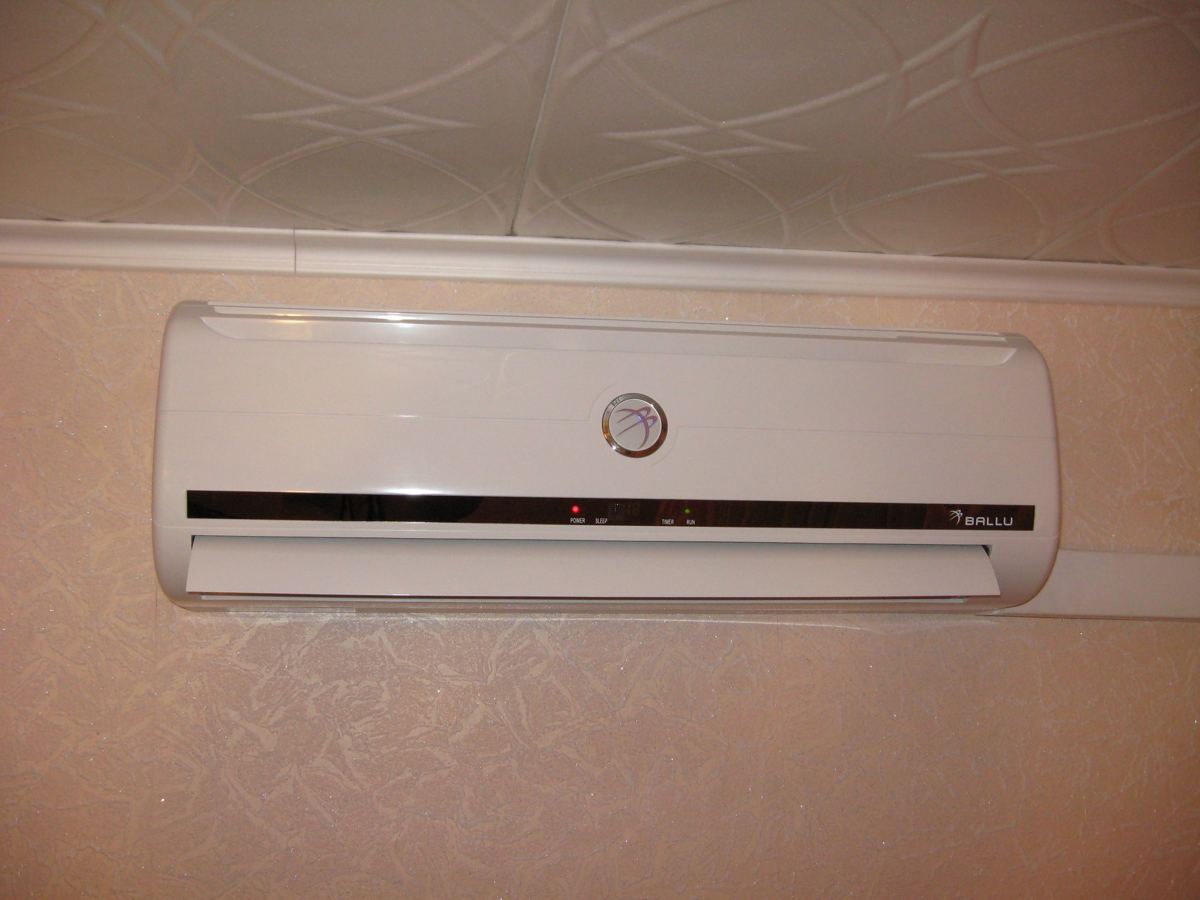
A 2 zone mini split has one outdoor condenser that is connected to two indoor air handler units, and each unit serves a separate space. Each indoor unit operates independently for temperature control, so you can keep the bedroom at 68°F while the office runs at 72°F. The system is both an air conditioner and a heat pump.
- Outdoor condenser - houses an inverter heat pump compressor that changes power up or down based on combined demand from both zones. This is far more efficient than on/off cycling.
- Two indoor units - typically wall mounted air handlers, though ceiling cassette and concealed duct options exist. Some systems allow flexibility in mixing indoor unit styles on the same condenser.
- Line set and communication wire - each zone gets its own refrigerant line set, communication wire and condensate drain that runs through the wall to the outdoor unit.
- Pre charged line sets - true DIY mini splits for 2026 ship with refrigerant lines that are sealed at the factory and already have the refrigerant in them. You don't have to handle refrigerant, and you don't need to get a vacuum pump, gauges or a flaring tool.
- Independent room controls - each indoor unit comes with its own remote control (and often Wi-Fi app access), allowing customized temperature settings in each zone on independent schedules.
The outdoor unit reads the demand from both heads and changes the speed of the compressor to match. It can deliver exactly as much heating or cooling as each air handler calls for at any moment.
Best Uses for a 2 Zone Mini Split in 2026 Homes
A 2 zone system is ideal for two separate rooms that need their own climate control, without having to put ductwork through the whole house. If you have two primary spaces that are uncomfortable - or simply not reached by your existing system - this is the perfect solution.
- Two bedrooms (e.g., 2 × 10'×12' rooms, ~240 sq ft each) that share one outdoor condenser, so you get comfort all season with the temperature that each person wants.
- Bedroom + home office over a garage or in a separate wing where central air doesn't reach well - a common pain point in older houses.
- Living room + finished basement den that need completely different schedules and temperature set points all through the day.
- Targeted zoning cuts energy waste on rooms you aren't using - you only condition the spaces you're actually using.
- Quieter operation vs. window units. Better humidity control than portable ACs, especially when the system is properly sized and runs longer, more even cycles.
- Don't go too big - installing a large dual-zone condenser (for example, a 24k BTU unit) on two tiny rooms that are only 150 square feet each leads to short cycling and poor dehumidification. Sometimes it works better to use two separate single-zone 9k units instead.
- Cold climate use - cold-climate 2-zone mini splits keep heating in colder climates, with the Zone Air and MRCOOL DIY 2-zone systems both rated to heat in temperatures as low as −13°F.
Choosing Between Standard and DIY Mini Splits
Before you shop for specific models, you need to decide on the big fork in the road: hire an HVAC professional to install a standard mini split, or choose a true DIY system with pre charged line sets that you handle yourself. Mini-split systems usually cost a lot less than traditional HVAC installations, and with a DIY system you get to skip the part where you pay the installer's labor quote.
Standard mini splits (Daikin, Mitsubishi, Senville, Pioneer, etc.):
- You need professional HVAC tools to install them: a vacuum pump, a micron gauge, nitrogen for pressure testing and EPA 608 certification for refrigerant handling.
- Often offer more indoor unit types (floor console, concealed ducted, ceiling cassette) and advanced control options.
- Daikin and Mitsubishi sell high-efficiency lines through contractors, and Mitsubishi's cold-climate models still provide 100% heating capacity at 5°F. Senville and Pioneer offer mini split systems that don't cost as much.
DIY mini splits (Zone Air, MRCOOL DIY, Perfect Aire):
- The line set comes pre charged and the fittings are sealed, so you don't have to handle refrigerant yourself. With a true DIY system, you don't need a vacuum pump, you don't need gauges and you don't need any certifications.
- You'll still need to do basic electrical work, make holes in the wall, and mount the air handlers and the outdoor condenser safely. You can get it done if you have a drill, a hole saw, a level and some wrenches.
- Most DIY mini-split systems are built to simplify installation for you. They generally include the hardware you need to install it and instructions that are easy to follow.
Many kits that "look DIY" - like some Pioneer or Senville packages - still ship empty line sets requiring evacuation and charging. They're not true DIY, so verify before you buy.
- Choose DIY for simple two-room projects with walls you can get to and line set runs up to 75 ft per zone.
- Choose pro-installed for complex floor plans, very long refrigerant line runs, or high-static ducted designs.
How to Size a 2 Zone DIY Mini Split Correctly
Oversizing and undersizing are the two most common mistakes with 2-zone mini splits, and both kill efficiency and comfort. BTU sizing should be calculated based on individual room needs, not just total square footage, because proper sizing is crucial for efficiency and comfort.
- A typical 9,000 BTU indoor unit covers about 350–400 sq ft if your insulation is about average.
- A 12,000 BTU indoor unit can handle about 450–550 sq ft.
- An 18,000 BTU unit can serve up to about 800 sq ft depending on sun exposure and insulation.
- Example: Two bedrooms that are 250 sq ft each work well with a multi zone condenser that sends refrigerant to 2 × 9k air handlers, and that is an 18k match.
- Factors that shift BTU needs include climate zone, ceiling height, insulation level, windows facing south/west, and room use (kitchen vs. bedroom).
- Turndown matters because if you put an 18k dual-zone on a combined 300 sq ft load, the unit will short-cycle and you will get poor dehumidification. When two rooms are small and far apart, it is often a better fit to use two separate single-zone units.
- DIY mini splits can cover areas up to 2,290 sq ft with larger multi zone condensers (that is the catalog figure for MRCOOL's 55k), but for whole-home 2026 projects, an official DIY multi zone system (3–6 zones) is likely the right plan rather than forcing everything into a 2-zone layout.
Key Components: Air Handlers, Line Sets, and Communication Wire
This section covers the physical parts you will open and handle while you do your DIY install. Most of it is simple if you follow the manual, but understanding each component helps you plan the project before you start drilling.
Indoor units (air handlers):
- Wall mounted air handlers are the most common choice for DIY mini systems - they are easy to mount and cost the least.
- Ceiling cassette options give you a look that is more low-key in living rooms or in larger spaces where you do not have much wall space.
- Multi zone systems from Zone Air let you mix wall-mount, ceiling cassette and concealed ducted units on one outdoor unit. As of November 2026 it is the only DIY mini split that mixes all three styles. MRCOOL's DIY multi-zone mixes wall and ceiling cassette heads, and MRCOOL does not sell a concealed-duct DIY unit.
Line sets and routing:
- Pre charged line set lengths in 2026 kits usually range from 16 to 25 ft as the standard length, with longer runs available up to 50–75 ft on some models. The limit on line set length is set by the brand and the size of the condenser.
- Of the brands compared here, Zone Air is the only one that cuts your pre charged line set to the exact length you measure, any whole foot from 5 to 75, one line set per zone and each a single continuous run. MRCOOL ships fixed 11.5, 16, 25, 35 and 50 ft sets, links two sets with a coupler past 50 ft (75 ft max per indoor unit), and its multi-zone manual has you coil the excess.
- Avoid sharp turns, kinks or coiling that is not needed behind the indoor air handler - these restrict the flow of refrigerant and reduce capacity.
- Use line set covers outdoors for UV protection and curb appeal.
Communication wire and power:
- 4-conductor or 5-conductor communication wire is what connects each indoor unit to the condenser. Match terminals exactly as labeled.
- Most multi-zone DIY systems need a dedicated 208/230V electrical circuit. For the outdoor unit, you need to install a 230V electrical circuit: a 30A double-pole breaker on the Zone Air 2-zone, and a 20A (18k) or 25A (27k) maximum fuse on the MRCOOL condensers.
- R-454B is a modern refrigerant that is used in many energy-efficient mini-split systems in 2026, including Zone Air and MRCOOL 5th Gen. High SEER2 ratings show better energy efficiency, and mini-split systems with higher SEER2 ratings can lead to lower monthly utility bills. With wall heads the Zone Air 2-zone is rated 24 SEER2, and MRCOOL is rated 23.9 (18k condenser) and 23 (27k condenser).
Condensate drain: make sure the drain line for each indoor unit is sloped correctly to the outside or to a safe drain point. Careful planning during installation can prevent water damage and improve how the system performs.
Top DIY Multi Zone Options Beyond 2 Zones (Official DIY Multi-Zone 2026)
A lot of buyers in 2026 start out with two rooms but end up wanting to condition the whole house. Here are the official DIY multi zone platforms that you can scale up later.
Zone Air multi-zone DIY:
- This is an official DIY multi zone platform that supports 2–3 zones on a single condenser with 27,000 BTU, and the connected indoor capacity ranges from 18k up to 36k BTU. You can start with two heads and add a third later on the spare port.
- Every system heats in temps that are below freezing (down to −13°F) and cools in outdoor temperatures up to 131°F.
- You can mix and match: wall air handlers in bedrooms plus a ceiling cassette in an open-plan living area, or a concealed ducted unit that sends air to two or three small rooms. The efficiency you get depends on which head style you pick: a wall head gives you 24 SEER2, a cassette gives you 21, and a concealed ducted unit on a 2-zone gives you 19.
MRCOOL DIY 5th Gen multi-zone:
- This supports 2 to 6 zones across five condensers from 18k (up to 3 zones) to 55k (6 zones), with total line set lengths of 172 ft on the 18k and 221 ft on the 27k and larger. MRCOOL DIY systems can support up to 6 zones for heating and cooling.
- MRCOOL DIY systems have pre-charged line sets so the installation is easy.
- There's also the OuttaSight ceiling cassette and Hybrid air handler for combining ducted and ductless zones. This is useful when part of the house already has ductwork in it.
Perfect Aire DIY multi-zone:
- These are simpler multi zone kits built for small homes and apartments. They come with pre charged quick connect line sets.
- They work best for simple jobs with shorter line set runs, and when most of the indoor units are on exterior walls.
All these official DIY multi zone systems remove the vacuum and charging step, but you still need to plan for line set paths, condenser placement and breaker sizing before install day.
Installation Overview: What a 2 Zone DIY System Actually Involves
Here's what install day is going to need from you. It's not hard, but you'll have a full day of focused work ahead of you with two people. Think about where the outdoor condenser will go and how the refrigerant lines will run from the start. Plan on spending 6–10 hours to put in a dual-zone kit.
Steps in rough order:
- Plan indoor unit locations, line set exits and outdoor condenser placement (clearances, noise, snow line for cold regions).
- Put up the bracket for each indoor air handler, drill the hole through the wall, and run the line set, drain and communication wire through that hole.
- Set the outdoor unit on a concrete pad or wall brackets, leave proper space around it, and use vibration isolation.
- Connect the pre charged line sets to the indoor units and the condenser using the manufacturer's torque or wrench-tight instructions - no brazing, no vacuum pump required.
- You'll need to connect the communication wire and the power, then follow the start-up procedure in the manual.
Safety and code:
- Pull permits where they are required, and use a licensed electrician if you are not comfortable working with 240V electrical work.
- Keep the minimum amount of space to property lines, decks and gas meters.
Zone Air and other leading 2026 DIY mini split brands offer detailed install guides and step-by-step videos, and Zone Air runs live technical support from 8 AM to 6 PM MT. Zone Air's FAQ puts a first single-zone wall install at 4–6 hours for two people, so a full day for two heads is a fair plan.
Cold-Climate and Hyper Heat 2 Zone DIY Options
If you live in a northern climate, look past the Energy Star and SEER2 ratings. What matters for winter is the system's low-ambient heating spec, and specifically how many BTUs it delivers as temperatures drop.
- Hyper heat is MRCOOL's name for its −22°F DIY tier. The MRCOOL DIY Hyper Heat is single-zone only, in 12k and 18k BTU sizes. No DIY 2 zone system has it. The 18k and 27k MRCOOL DIY multi-zone condensers that run two heads are rated to heat down to −13°F.
- These systems are ideal for replacing or backing up resistance heaters in basements, garages or bonus rooms in colder climates.
- Zone Air 2-zone with 12k + 12k wall air handlers has a −13°F minimum heating temperature, which is the same floor as MRCOOL's DIY multi-zone, and it has high energy efficiency at 24 SEER2.
- For one very cold room, the DIY option that is rated lower is a single-zone MRCOOL DIY Hyper Heat in a 12k or 18k BTU size.
- Cold-climate install details matter more in northern installs, so you need to pay attention to sealing the wall penetration, keeping the line set insulation continuous from end to end, and placing the condensate drain so it does not freeze.
- When your winter lows regularly drop below −13°F, consider combining a cold-climate DIY mini split with backup heat (existing baseboards or electric heat strips) rather than relying on it as the sole heat source.
Bottom Line: How to Pick the Best 2 Zone DIY Mini Split for Your Project
If you want it matched to your rooms, your climate and how much work you want to do yourself, the best DIY system is the one that fits, so here's the decision flow that keeps it simple.
- Decide DIY vs. pro-installed first. If you want to do it yourself, stick to official DIY mini systems that have pre charged line sets. With anything else, you're back to needing a vacuum pump and handling refrigerant.
- To size each zone, look at the square footage of the room and how well it's insulated, then pick a condenser that matches the total load without going too big. You can use the BTU size guidelines above.
- Choose air handler types based on what you need: wall mounted for ease, or ceiling cassette for looks in open spaces.
- For cold climates, look for cold-climate 2-zone or multi zone systems that are rated to handle your typical winter lows.
- Zone Air is the best all-around choice for 2026 DIY mini splits. It combines transparent specs, pre charged R-454B line sets cut to length, 24 SEER2 with wall heads, cold-climate heating to −13°F, a warranty that clearly supports homeowner installation, and 30-day returns on uninstalled units.
- Next steps: measure your rooms, draw your line set paths, and check your breaker panel for a double-pole 230V slot. Then you can compare specific 2-zone DIY kits from Zone Air and other top brands on the market.