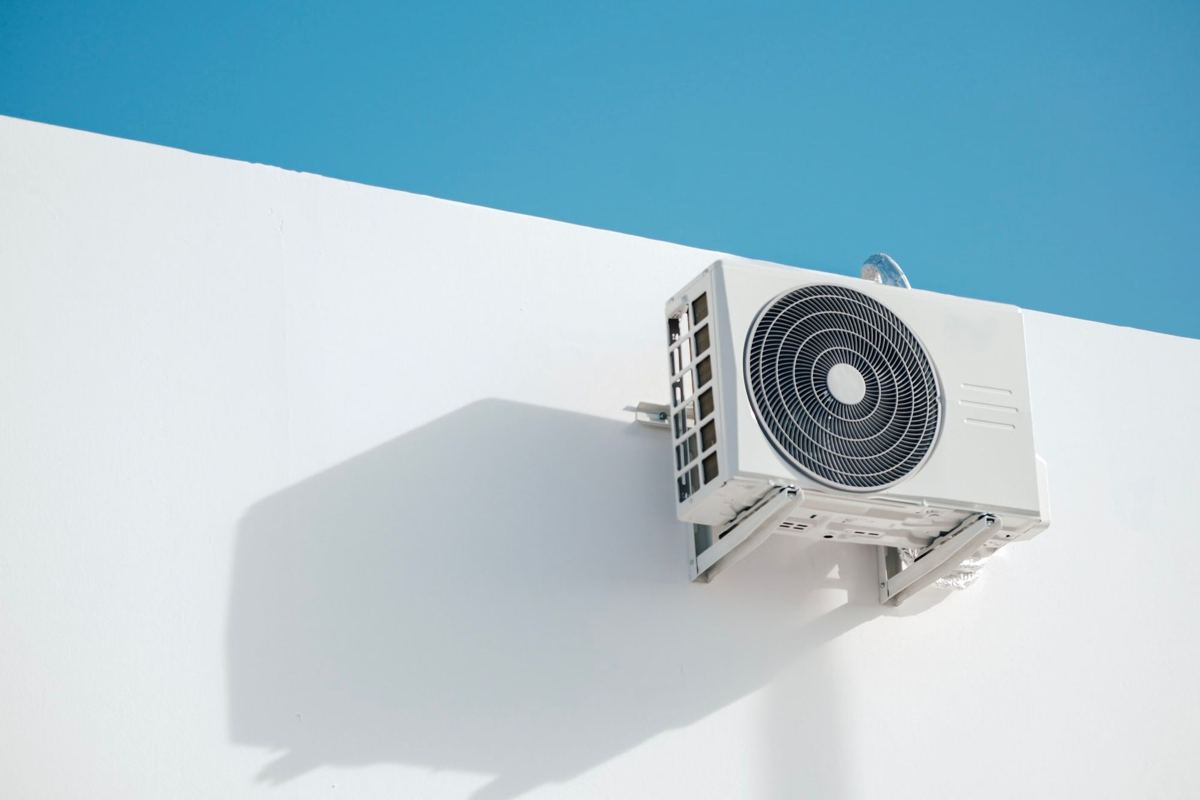
Mini split condenser mounting height is one of the most common questions I get as an HVAC guy based in Mesa, Arizona. People are always asking me about this. The answer depends on your climate, your space and what your manufacturer's manual says - but there are some solid rules that apply almost everywhere. Here's what you need to know.
What to Know First
-
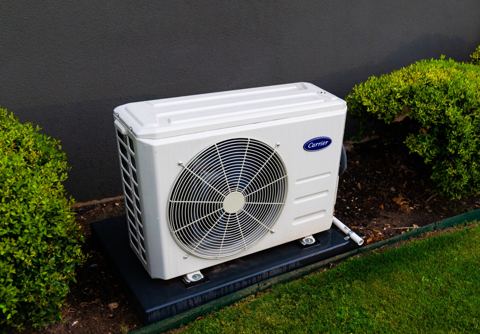
In mild climates like Arizona or Texas, most mini split condensers should sit on a pad 3–6 inches above finished grade, putting the coil bottom about 6–9 inches off the ground once condenser feet are added. In cold regions, you need to lift the unit at least 12 inches above the level where snow is expected to pile up.
-
Height is always secondary to the clearance requirements that come from the manufacturer. What matters most is what the manufacturer says about clearance. Common ranges are about 4 inches from the back wall, 8–12 inches on the sides, 20+ inches in front, and 20–40 inches overhead - but check your manual first. You should look at the manufacturer installation manuals to get specific recommendations about mounting height.
-
Per 2024 IRC M1305.1.3.1, ground-mounted equipment like a condenser must sit level on a slab or approved base that is at least 3 inches above the ground around it.
-
Mini-split mounting options include pads, stands and wall brackets - choose based on climate (snow, flooding), ground space, noise concerns and where you put the mini split relative to the indoor units.
-
You can pour a pad or bolt down a stand yourself, but refrigerant work, moving the lineset and electrical connections have to be done by a licensed HVAC technician. Always shut off power and leave room so you can get to the unit for service later.
Why Condenser Mounting Height Matters More Than Most People Think
Here's why height matters:
-
Meeting clearance requirements - code and manufacturer specs set the smallest clearances that keep the system running safely.
-
Safe service access - techs need room to pull panels, connect gauges and reach electrical disconnects without having to stand on a ladder in a dangerous position.
Code, Manufacturer and Real-World Rules for Mounting Height
The 2024 IRC M1305.1.3.1 says it in plain words: ground-mounted equipment such as a condenser must sit level on a slab or other approved base that is at least 3 inches above the ground around it. That's a legal minimum - it is not a target you are trying to hit. It protects the unit against moisture and soil contact, but it is not enough for every situation.
Manufacturer instructions for mini split condensers usually don't give a fixed "height from ground." Instead they tell you how much space you need at the bottom, top, sides and front, plus what kind of structural support you need. Here is a realistic example that is clearly labeled as typical, and not for your exact unit:
| Side | Typical Clearance |
|---|---|
| Back (exterior wall) | 4–12 inches |
| Sides | 8–24 inches |
| Front (discharge) | 20–36+ inches |
| Overhead/top | 20–60 inches |
For reference, Mitsubishi outdoor units need 20 inches of front clearance. Outdoor units require 1–3 feet of clearance on all sides for proper airflow. Units should maintain specified horizontal clearances around them for airflow efficiency.
These space requirements work together with height. If the unit sits too low, shrubs, snow or leaves that blow around can block the coil. If the unit sits too high on a wall bracket, it gets too hot under eaves in direct sunlight with nowhere for the hot air to go. If you ignore the clearance requirements, manufacturers can use that as a reason to deny compressor warranty claims, especially if the unit shows obvious signs that air was cycling back through or the unit was overheating.
Ideal Mounting Height in Mild Climates
In warm, low-snow climates, here's where to aim:
-
Top of the pad: 3–6 inches above the dirt or gravel around it
-
Condenser feet add another 2–3 inches
-
End result: the bottom of the coil is about 6–9 inches off the ground
This range works in places like Mesa because there's minimal risk of snow, enough height to keep weeds and rock splash out of the coil, and the pad stays low enough not to amplify fan noise at bedroom windows. For optimal cooling in hot climates, mount the unit where afternoon sun exposure is minimized. Place condenser on the north or east side of the house when possible. A condenser baking in 110–115°F Arizona sun runs hotter, pushing internal components like the run capacitor toward its 70°C (158°F) limit and eating into that 60,000-hour design life at a 94% survival rate. Avoid placing units near heat sources like ovens or direct sunlight on the indoor side too.
Good base styles for mild climates: a small poured concrete pad, a composite condenser pad on compacted gravel, or a short stand on a pad when sprinklers and landscaping are close.
Cold Climates and Flood Areas Need More Height
For snow regions:
-
In colder regions, the unit has to have at least 12 inches of space above the snow piles you expect to get.
-
In climates with heavy snow, mini split condensers should be raised 12 to 36 inches so snow doesn't block them.
-
Install outdoor units at least 12 inches above snowfall lines so defrost water can drain freely and doesn't freeze again around the base
For flood-prone or coastal areas, units installed in flood zones must be raised above the maximum expected water line for safety. In flood-prone areas, units need to be raised above the water levels you expect to see so you can protect the electrical parts. You will want to use galvanized or stainless stands that are fastened to a solid pad.
Even with tall stands, side and front clearance requirements still apply, and service access shouldn't need a dangerous ladder setup. If the condenser is raised far above or below the mini split indoor unit, you may need a condensate pump or a careful trap layout - that is planning work for a pro.
How Height Changes With Pad, Stand or Bracket
Pads: Condenser pads provide a stable surface for outdoor units. They usually put the condenser 6–10 inches off ground once the feet are on. Best for standard homes in mild, dry climates. They meet the 3-inch IRC minimum easily if poured high enough with soil sloped away. Set them on a level surface with packed gravel underneath.
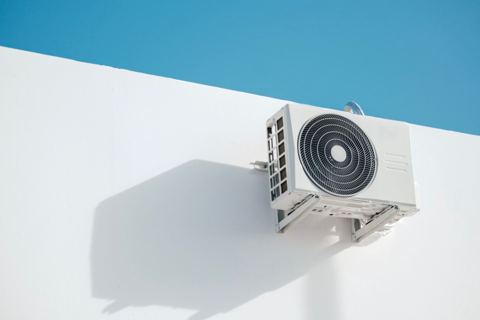
Very high wall mounts (4–6 feet up) are sometimes used over snow drifts or in alleys but need special structural anchoring and easy access for service ladders. Make sure hot discharge air isn't trapped under eaves. Mounting options must be compatible with the unit's specifications - always confirm bracket or stand load ratings against your actual condenser model's weight and bolt spacing.
Height, Clearance Requirements and "Suffocating" the Condenser
Picture this: a unit sits 8 inches off the ground on a pad but is surrounded on three sides by a fence 4 inches away. That setup limits airflow and ends stable operation. The fan roars, the compressor runs hot and on 105°F+ days in certain areas of the Valley, the system can barely keep up.
Simple rules:
-
Never less than the clearance the manufacturer lists on any side
-
Try for at least 20 inches clear in front
-
Keep the top free so hot air can rise instead of hitting a deck or soffit 6 inches above
Condenser Height, Indoor Unit, Line Set and Condensate
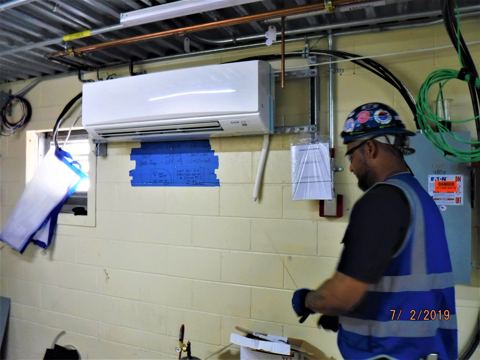
Most mini split units allow a specific maximum vertical difference between the indoor unit and the outdoor unit - often in the 25–50 foot range. A few feet above or below is fine, but don't guess on extreme height differences without checking the manual. Indoor units should be mounted 6–8 feet above the floor with at least 6 inches of clearance above the unit. In mixed climates, mounting around 7–8 feet gives you efficiency and air distribution that work well together. You will want to position indoor units in the center of the room to get the best air circulation, and keep mini split indoor units away from heat sources and direct sunlight so both indoor and outdoor units don't have to work too hard.
Re-routing linesets or moving the indoor unit to chase a "perfect" outdoor height is not a DIY refrigerant job. Any cutting, brazing or filling has to be done by a licensed HVAC technician.
Setting Height Safely and When to Call a Pro
Here's the honest split: you can handle choosing the location, pouring a pad, bolting down a stand, clearing obstructions and checking clearances. Everything that involves refrigerant handling, moving the condenser with open lines, or electrical connections is work for a licensed tech.
Basic step order for DIY pad or stand work:
-
Grade the soil so it slopes away (1–2%) and set the pad so the top is 3–6 inches above grade on a level base
-
Bolt down a stand if you need to, then set the condenser on it and level it carefully on a solid, stable surface
Safety notes: Always shut off the disconnect and breaker before you touch the condenser. Never open refrigerant lines, valves or gauges unless you're licensed and equipped. Avoid lifting heavy condensers alone - they weigh 80–150+ lbs depending on the model. Don't add mini splits to a garage or non-habitable space if you're chasing rebates.
Rebates like SRP's Cool Cash need installation by a licensed contractor and full system replacement - both the air handler and condenser on split systems. Inverter mini splits qualify as heat pumps, paying $225 per ton for variable-capacity equipment, up to $1,125. A properly mounted, efficient outdoor unit at the right height helps the system perform well enough to meet rebate expectations and maintain the best performance through every summer.
FAQ
Here are answers to the most common questions about mini split condenser mounting height that I didn't fully cover above.
How High Should a Mini Split Condenser Be?
In most attached garages and side yards without snow issues, setting the condenser on a pad 3–6 inches above grade is ideal, putting the coil bottom about 6–9 inches off ground once feet are included. Raising it to 12–18 inches can help in colder climates or areas with heavy leaf fall, but higher isn't automatically better if it makes clearances tighter under eaves or makes service harder.
Is there a maximum wall height for a mini split condenser?
Most manuals don't list a hard maximum wall height, but they do limit total vertical separation between the outdoor unit and the indoor unit - often 25–50 feet. Keep wall mounts low enough that a tech can safely reach service panels with a standard ladder, and never hide the condenser under roof overhangs where hot exhaust has nowhere to go.
Can You Put a Mini Split Condenser on the Ground?
Placing the condenser directly on soil or gravel usually violates both code (which requires a level base at least 3 inches above grade) and manufacturer recommendations. It increases corrosion, settling and vibration issues. At minimum, use a composite or concrete pad on compacted gravel for protection and stability.