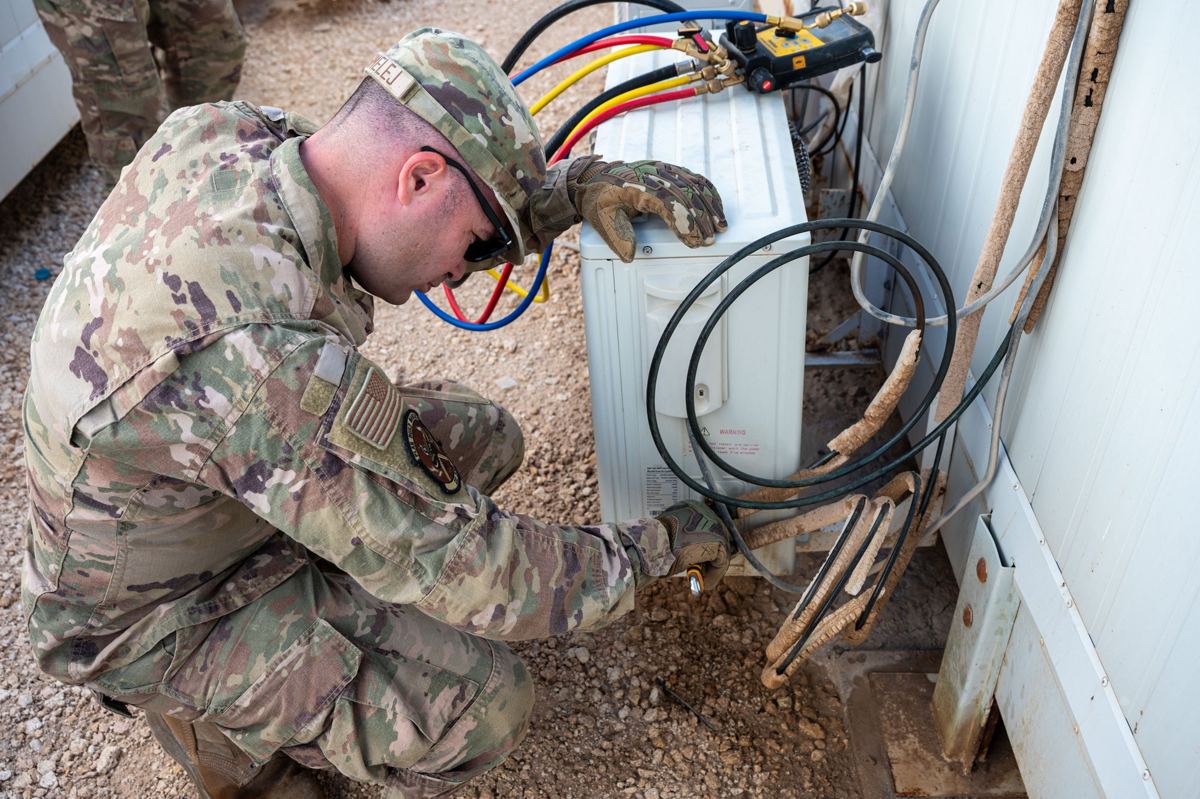
A mini split line set size chart is one of those things that looks simple until you buy the wrong one, so here's what you might want to know before you place your order.
Key Takeaways
-
Most mini splits in the 9k to 18k BTU range use a 1/4" liquid line paired with either a 3/8" or 1/2" suction line, and larger 24k+ BTU units usually jump to 3/8" x 5/8".
-
The size of your line set and the length of your line set both come from the manufacturer's installation manual for your exact model, so it's a good idea not to guess or to buy one that's too big.
-
In multi zone systems, the indoor unit is what sets the correct diameter for the line set, even when the outdoor condenser has bigger ports.
-
Using the wrong size or the wrong refrigerant lines can hurt efficiency, damage the compressor and void your warranty. R-410A lines are not the same as R-32 or R-454B lines.
-
Any work that involves refrigerant needs EPA 608 Type II or Universal certification. That includes cutting, flaring, evacuating and charging the lines.
Mini Split Line Set Size Chart (Common Sizes)
Line set sizes are based on the cooling or heating capacity in BTUs. Below are common line set sizes for single-zone and small multi zone residential units. These are typical examples drawn from Mitsubishi, Daikin, Fujitsu and Senville documentation. They are not a substitute for your installation manual.
| BTU Range | Approx. Tons | Liquid Line OD | Suction Line OD |
|---|---|---|---|
| 6,000 – 9,000 | 0.5 – 0.75 | 1/4" | 3/8" |
| 12,000 | 1.0 | 1/4" | 1/2" |
| 15,000 – 18,000 | 1.25 – 1.5 | 1/4" | 1/2" |
| 24,000 | 2.0 | 3/8" | 5/8" |
| 30,000 – 36,000 | 2.5 – 3.0 | 3/8" | 5/8" |
1/4" x 3/8" is the most common line set size for small-room units. 1/4" x 1/2" is used for larger living spaces; a 12,000 BTU mini split typically uses a 1/4" x 1/2" line set, and 18,000 BTU units often require the same pair. 24,000 BTU units need 3/8" x 5/8" line sets. Common line set sizes include 1/4" x 3/8" and 1/4" x 1/2"; 3/8" x 5/8" is for larger-capacity systems.
How Manufacturers Decide Line Set Size
Using tubing that is too large can hurt the speed of the refrigerant, and that's the core reason that buying a bigger size "for safety" fails. A suction line that is too large slows down the vapor, the oil drops out and the compressor wears out faster over a few Phoenix summers. The correct pipe diameter has to match the specifications of the indoor and outdoor units.
Some brands list alternate suction line sizes for the same indoor unit depending on how long the line set is and how much vertical rise there is. If your manual shows two options, you'll want to pick the one that matches your actual path distance, not the bigger one.
How to Read a Mini Split Line Set Size Chart
Most manufacturer charts are laid out the same way: model number or BTU rating on one axis, needed liquid line and suction line sizes on the other, with columns for max line set length and max vertical rise.
-
You can find your indoor unit model number by looking for "09," "12," or "18" in the model name.
-
Read across to the column for the liquid line (it's often 1/4" for units under 24k BTU) and the column for the suction line.
-
Check the columns for the max line length and the max vertical separation.
-
There's usually a note about extra refrigerant charge. Most outdoor condensers are factory pre-charged for a specific line length (often 25 ft). You may need additional refrigerant if the line set is longer than that factory-precharged length. A licensed tech handles that.
-
Verify the refrigerant type listed. Pre-charged DIY line sets cannot be cut or shortened without losing the charge, so you must buy the correct length and correct size bundle up front.
Choosing the Correct Line Set Length
It's important to get the correct line set length as well as the correct size. You can measure from the indoor unit to the outdoor condenser along the real route: follow walls, corners, up into the attic, across the roof, then back down to the pad. A run that looks 30 ft in a straight line can be 45 ft in actual routing. Bends in the line set count as added length, and every bend, corner and direction change adds equivalent length to your total.
Standard line set lengths usually include 15 ft, 25 ft and 50 ft. Minimum line set length is usually 10 to 15 feet for efficiency, because the factory refrigerant charge assumes at least that much tubing. Single-zone systems are usually limited to 50 feet. Premium multi-zone systems can allow up to 230 feet of total piping, but each indoor head still has per-unit limits (often 65 to 100 ft with 25 to 50 ft of vertical rise). The difference in vertical height between units affects refrigerant flow and oil return. Maximum line set length varies by brand and model.
Add a 3 to 6 ft buffer over your tape-measured route so you can make smooth bends and avoid pulling copper tight. If you exceed the manufacturer's max, expect a 5 to 15% capacity drop, extra refrigerant needs and possible warranty issues. Best practice is to stay inside the chart limits.
Common Line Set Sizing Mistakes
Common mistakes I see on installs:
-
Ordering line sets too short. Measure the real route, account for corners and add some extra length. A line set that barely reaches puts stress on flare connections.
-
Oversizing suction lines "for future upgrades." A larger suction line drops refrigerant velocity and hurts oil return. Follow the chart for the unit you have now.
-
Ignoring per-head rules in multi zone systems. Each indoor unit has its own line set size requirement. The condenser tonnage does not override individual head specs.
-
Confusing liquid line size with suction line size. Both sizes must match the manufacturer's table. Buying a line set where only one of the two matches is just as wrong as getting both wrong.
-
Using the wrong refrigerant line set. R-410A and R-454B line sets are not interchangeable. Using the wrong refrigerant line set can damage the system. R-410A line sets are often cheaper than R-454B sets, but savings mean nothing if you contaminate the oil and kill the compressor. Verify refrigerant type before ordering line sets.
-
Coiling extra length into a tight pancake behind the outdoor unit. If extra length is unavoidable, lay it out in large, gentle loops along the wall to keep oil moving.
Reusing, Extending and Adapting Line Sets Safely
An existing line set can be used again only if the liquid line and suction line sizes match the new system's chart, the tubing is undamaged and a certified tech can flush, pressure-test and evacuate it. Reusing an old R-22 or contaminated R-410A line set on a new unit is a false economy. Wrong oil and debris can destroy a modern inverter compressor.
FAQ
Can you mix a generic line set with a name-brand mini split?
With a quality generic line set, you can use it as long as the liquid line and suction line sizes match the manufacturer specs and the tubing wall thickness and pressure rating suit the refrigerant. For R-410A systems, the copper must be rated above 500 psi working pressure. Pre-charged systems usually need the brand's own line sets because the fittings and charge are matched at the factory.
Is there a minimum line set length?
Most mini splits list a minimum of 10 to 15 feet. The factory refrigerant charge is calculated for at least that much copper. Going shorter can cause excessive subcooling and send compressor vibration into the wall. If your install is shorter than the manual's minimum, a licensed tech may need to adjust the charge.
Will a larger suction line always help?
No. A suction line larger than the chart spec slows refrigerant velocity, and oil pools in the line instead of returning to the compressor. Follow the chart for your model and line set length rather than guessing "bigger is better."
Does Line Set Size Affect Energy Bills?
With the correct size and length, your unit will run close to its rated SEER2 efficiency. Wrong sizing or runs that exceed manufacturer specs can cost several percent in efficiency. On SRP's E-23 plan here in Arizona, summer rates hit 11.66 cents per kWh base and 13.60 cents at peak. Even a few percent loss adds up fast over five months of cooling.
What mini split parts can you DIY?
You can handle mounting brackets, drilling the wall sleeve, setting the indoor unit on the plate, routing the line set and drain, and pulling control wire with the power off. Connecting, evacuating and charging refrigerant lines must be done by an EPA 608 Type II or Universal certified technician. That certification never expires, so any tech who holds it can legally do the work.