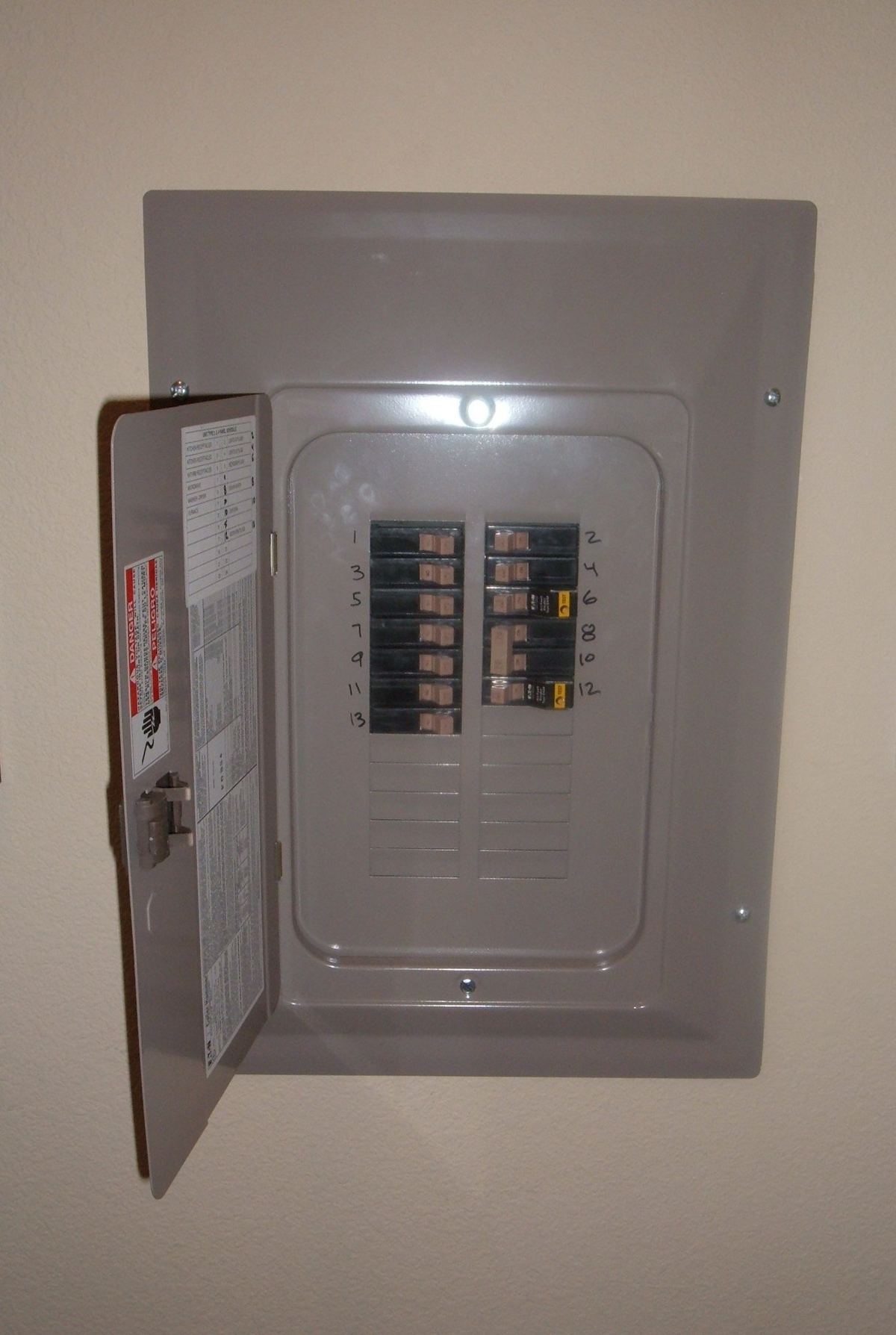
There is no single code-mandated maximum physical distance between a breaker panel and a mini split air conditioner. The real limits come down to voltage drop, wire ampacity, and what your electrical panel can handle. I'll walk you through exactly how distance works, what the code actually says, and when you need thicker wire or a licensed electrician.
Key Takeaways
-
Most mini splits can sit 50–100 feet from the electrical panel without trouble if you size the wire right. You can do longer runs if you use a bigger wire to keep voltage drop under control.
-
There is no hard NEC "maximum distance" rule. The real limits are voltage drop (you should keep it under 3% on the branch circuit), wire ampacity based on the outdoor unit nameplate, and available space in the breaker box for a dedicated circuit.
-
The outdoor unit's nameplate MCA and MOCP are what drive the decisions about wire gauge and breaker size, not the BTU rating or brand name.
-
Every mini split system must be on its own dedicated circuit from the electrical panel, with a disconnect switch within sight of the outdoor unit and, ideally, surge protection for the inverter electronics.
-
You can help with planning paths and mounting equipment, but high voltage connections need licensed electricians for safety. This is especially true on long runs or full panels.
How Far Can a Mini Split Be From the Breaker Panel? (Short Answer)
Most residential mini-splits use a 208/230V power supply, while smaller units may use 115V, and the higher voltage actually helps on longer runs because it carries less current for the same load. For a typical 9,000–24,000 BTU mini split system, runs of 25–75 feet from the electrical panel to the outdoor unit are routine. Runs of 100 feet or more are often fine if you use bigger wire to control voltage drop.
The National Electrical Code doesn't give a hard distance limit from the panel. Instead, you must design the dedicated circuit so voltage drop stays around 3% or less and the wire can carry enough amps to meet the nameplate minimum circuit ampacity. For a typical 20-amp, 230V mini split circuit using standard 12-gauge wire, a 3% voltage drop is usually reached around 50 to 100 feet. The distance is measured along the actual wire path from the panel to the mini-split's electrical connection, not a straight line through walls.
In a real house, whether it is Mesa-style stucco or basements back east, routing challenges and panel location usually control distance more than code does. Long runs are common on mini splits, but breaker sizing and wire connections should be done or at least checked by a licensed electrician.
Code, Voltage Drop and Breaker Box Distance Limits
Distance is really a balance of three things. You have to think about the limits in the electrical code, the math for voltage drop, and what your breaker box can safely handle.
-
NEC and local code - Local electrical codes must comply with the locally adopted National Electrical Code. While the NEC doesn't say "max 60 feet," it does recommend keeping voltage drop under 3% on a branch circuit (5% total including feeder) and requires proper wire ampacity based on the outdoor unit's MCA. You must maintain a minimum clear width of 30 inches in front of the electrical panel, a clear depth of 36 inches extending outward from the face of the panel, and height clearance from the floor to a minimum of 6.5 feet or the height of the equipment. Foreign systems such as piping or ductwork cannot pass through the dedicated electrical zone above the footprint of the electrical panel.
-
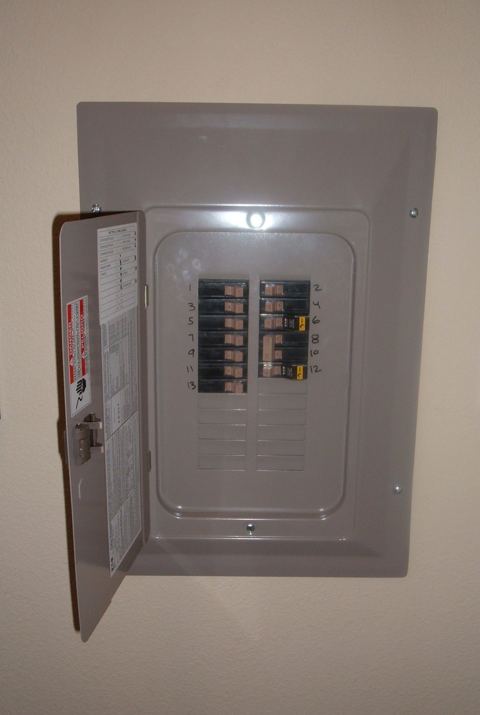
Panel capacity - The breaker box must have space and enough service capacity for a new dedicated circuit. Older 100-amp panels in older homes may already be loaded with kitchen, dryer and EV charger circuits.
Typical Mini Split Distances in Homes
Here's what I see in the field across different house layouts:
-
Short runs (0–25 ft) - The breaker box is on the same exterior wall as the outdoor unit. Easiest and cheapest installs with little voltage drop concerns.
-
Medium runs (25–75 ft) - The most common range in tract homes where the panel is on one side of the house and the mini split outdoor unit is on another wall or around a corner. Most mini splits on 12 AWG copper handle this without issue.
-
Long runs (75–150 ft) - Detached garages, backyard offices, second-floor additions. These often need one wire size larger than the nameplate minimum to keep voltage drop in check.
-
Mesa example - Slab-on-grade stucco home, panel at the southwest corner, outdoor unit on a shaded north wall. The wire goes up the wall, through the attic and back down. While straight-line is 40 feet, the actual circuit length through attic and exterior conduit often hits 60–80 feet.
Many contractors aim for at least 3 feet of separation between a breaker panel and any physical HVAC equipment, and it is generally recommended to avoid mounting a mini-split directly above an electrical panel.
Using the Nameplate to Plan Wire Size
-
MCA sizes the wire - You must choose a copper wire rated to carry at least the MCA. 14-gauge wire handles about 15 amps safely. 12-gauge wire can carry 20 amps safely. 10-gauge wire handles 30 amps safely. Always size wire based on the outdoor unit's MCA and MOCP.
-
MOCP limits breaker size - Pick a breaker at or under the MOCP number, installed in the panel on one dedicated circuit. A 12,000 BTU unit may need a 15-amp breaker.
-
Distance drives upsizing - Once you know MCA and distance, you or your electrician can use a voltage drop calculator to decide if you need to step up one gauge for long runs.
-
BTU rating isn't the whole story - Units with 9,000 to 12,000 BTUs often use 115V. Units over 12,000 BTUs usually need 208-240V power. Some 6,000 BTU units still need 208/230V power. The nameplate numbers plus how far you are from the breaker box determine the smallest wire you can safely use, not the BTU rating alone.
Voltage Drop and Long Runs. When Do You Need Thicker Wire?
-
Real numbers - A 30–40 foot run at MCA might work fine on 12 AWG copper. But a 140-foot run on 12 AWG with an 18A MCA gives about 3.6% drop. Upsizing to 10 AWG improves that to about 2.3%.
-
Desert heat matters - Phoenix's all-time record high is 122°F, set June 26, 1990. If the outdoor unit is installed farther away from the main panel, upsizing the wire gauge can prevent excessive voltage drop. Using the wrong wire gauge can cause overheating, and wire that is too small can damage mini-split electronics, especially when ambient temps create zero room for error.
Mini Split Electrical Requirements That Don't Change With Distance
These are non-negotiable, whether the panel is 10 feet away or 100.
-
Correct breaker type and breaker size - Single-pole breakers for 115V mini splits, double-pole breakers for 208–230V units, sized to stay at or below the nameplate MOCP value.
-
Proper wire type - THHN/THWN-2 copper in conduit for outdoor runs from the panel to the disconnect box, and manufacturer-specified multi-conductor cable between indoor and outdoor units.
-
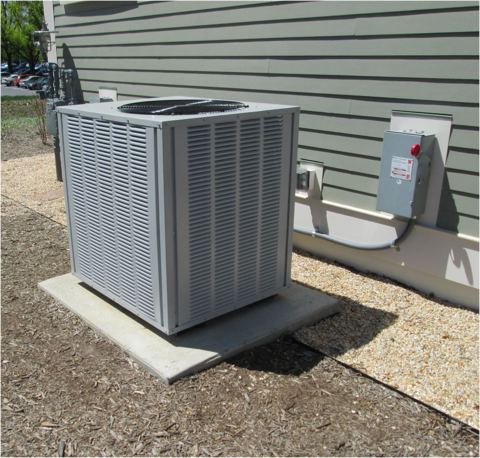
Disconnect within sight - The NEC requires a lockable, weatherproof disconnect switch within sight (visible and within 50 feet) of the outdoor condenser unit so a technician can safely service it.
Panel Location, Routing and Layout Tricks
This is where the planning process gets practical. Your goal is to route the dedicated circuit from the electrical panel to the outdoor unit without turning a 40-foot path into 120 feet of wire.
-
Shortest safe path - Trace the most direct route through attic, crawlspace or exterior conduit. Fewer turns equal easier wire pulls and less distance.
-
Attic versus exterior conduit - Attics can be brutally hot. NWS HeatRisk uses a 0-4 scale and counts how warm the overnight lows are along with daytime highs. Level 4 means long heat with little to no relief overnight, and your attic can stay above 140°F. Outdoor conduit adds length but keeps wire out of that heat, which helps preserve capacity and efficiency of the wire.
-
Avoiding obstacles - You may need to route around chimneys, plumbing stacks or structural beams through walls and ceiling space. That adds a few feet but is better than compromising structure or code.
Surge Protection and Long Wire Runs
-
Panel-level surge protection - Install a UL 1449-listed whole-house surge protector at the electrical panel that feeds the mini split's dedicated circuit.
-
Local surge protection - Optional surge devices that mount near the disconnect box or outdoor unit give a second layer of defense.
-
Local utility tie-in - SRP's Manage Demand 5-10 p.m. and Save plan (E-16) is on-peak 5-10 p.m. on weekdays. SRP's Conserve 6-9 p.m. and Save plan (E-28) charges 39.82¢/kWh on-peak in July and August, with a super off-peak window from 8 a.m. to 3 p.m. at just 6.23¢. Your mini split system is working hardest during those expensive, stormy summer evenings, so protecting it with enough power quality measures just makes sense.
DIY Planning vs. Hiring an Electrician
I'm all for homeowners doing what they safely can. But opening a live panel and pulling higher voltage wire from the breaker box is not a casual weekend project.
-
Electrician-only tasks - Opening the electrical panel, installing breakers, sizing and pulling high-voltage wire, making connections in the breaker box, and checking grounding and bonding. Wrong wiring can create fire hazards and equipment damage.
-
Long-run special cases - Any run over 75–100 feet should be sized and checked by a licensed electrician who can calculate voltage drop and pick the right wire size and conduit. Professional installation ensures compliance with local building codes.
-
Permits and inspections - Many jurisdictions require a permit and inspection when you add a new circuit for an electrical installation. The electrician usually handles this process.
-
Warranty and insurance - Improper installation can void the manufacturer's warranty. Some homeowner policies also expect licensed electrical work on high-voltage circuits. Manufacturers are clear about this in their manuals.
Maintenance and Monitoring on Long Electrical Runs
-
Keep air filters and coils clean - Clogged filters on the indoor unit raise amp draw. Extra current on a long run with wire that is barely big enough is not what you want when it's 115°F on the exterior.
-
Periodic visual checks - Once or twice a year, look over the exterior conduit, disconnect box and outdoor unit wiring cover for damage or UV-cracked fittings along the walls.
-
Watch for nuisance trips - Frequent breaker trips or the outdoor unit struggling on the hottest afternoons can be a sign of voltage drop or wire that is barely big enough that needs an electrician's attention.
FAQ on Mini Split Distance and Wiring
Can I Feed My Mini Split From a Subpanel Instead of the Main Electrical Panel?
Yes. A mini split's dedicated circuit can come from a properly sized subpanel as long as the feeder to that subpanel and the subpanel's remaining capacity can handle the added MCA load. The distance question then becomes "subpanel to outdoor unit," and you still size the wire for voltage drop and nameplate MCA. Have an electrician confirm the subpanel feeder size, breaker rating and remaining capacity before installing a mini split system on it.
Can I Share a Circuit With Something Small if My Mini Split Is Close to the Panel?
No. Even if the mini split is right next to the breaker box, code and manufacturer instructions call for a dedicated circuit not shared with lights, outlets or other appliances. Startup current and continuous operation can overload shared circuits, cause nuisance trips and risk damaging sensitive inverter electronics. Inspectors and warranty departments expect to see a labeled, dedicated breaker feeding only the mini split system. Every mini split needs a dedicated circuit, no exceptions.
Is There a Maximum Distance Difference for 115V vs 208–230V Mini Splits?
For the same load in watts, 115V circuits carry about twice the current of 208–230V circuits. That makes voltage drop worse on long runs at 115V, meaning you usually need thicker wire or shorter runs to stay within the 3% target. So how do you wire a mini split for long distances? A 208–230V mini split on a double-pole breaker is generally more efficient to wire than a 115V unit. This is one reason most larger mini splits use higher voltage power.
Panel Full but Need a Mini Split Far Away?
A full panel is a separate problem from distance. An electrician may be able to use tandem breakers (if the panel lets them), add a subpanel, or replace the main panel to free up space. Once capacity and spaces are sorted, you treat the mini split circuit like any other: calculate distance, size wire for MCA and voltage drop, and install a dedicated breaker and disconnect. Never double-tap breakers or piggyback on existing circuits as a shortcut, because that's both unsafe and a guaranteed inspection fail.