If you are asking "does a mini split need a neutral wire" while you are looking at a bunch of wires and trying to figure out which ones actually matter, you might not be alone. This question comes up all the time, and the answer might depend on what voltage your specific unit runs on. I'd break it down the way I'd explain it if I were standing next to you in your garage.
Key Takeaways
-
Most 240V single phase mini split systems in the U.S. might not use a neutral wire. They have two hot wires and a ground. That is it.
-
Smaller 115V mini splits (usually under 12,000 BTU) usually do need a neutral wire, plus one hot and a ground.
-
Always confirm wiring requirements by checking the nameplate and wiring diagram on your specific outdoor unit, not by wire color alone.
-
Every mini split has a dedicated circuit breaker. You can't share circuits with other stuff in your house.
-
Power must be off at the breaker box before touching any wiring. If you are unsure about electrical work, it is a good idea to call a licensed electrician.
Do Mini Splits Need a Neutral Wire?
In a residential single phase panel, the neutral wire is the ground wire. It's the return path for 120V loads, and it is bonded to the ground bar at the main service disconnect. It's a different thing from the green or bare equipment ground, which only carries current during a fault.
A typical 208–240V mini split is a line-to-line load. It uses L1, L2 and ground only. No neutral wire is used. Manufacturers like Pioneer state this clearly: 208/230V systems use two hot lines and a ground, and "no neutral is used." Most 208V and 230V mini split systems follow this same pattern across brands.
Smaller 115V systems need a hot wire and a neutral wire, plus ground. You'll see this on compact single-zone units under about 12,000 BTU. They may need a neutral wire for 110V systems because their internal control boards, fans and electronics run on 120V and need that return path.
How to Tell if Your Mini Split Needs a Neutral
Electrical specifications for mini splits can vary by brand and model size, so you'll need to check your specific unit. Here's how:
-
Look at the nameplate on the outdoor unit. It'll say something like "208/230V, 1PH, 60Hz" or "115V, 1PH, 60Hz." The 208/230V rating means two hot wires and ground. No neutral is needed. For the 115V rating, you'll need one hot, one neutral and ground.
-
Open the install manual to the wiring diagram. Look for labels like L1, L2, N and the ground picture. If you see L1, L2 and ground with no N terminal, no neutral is needed.
-
When using standard 2-wire cable for a 240V setup, the white wire must be re-marked as a hot wire. Do not rely on wire color alone. That white wire might be re-identified as hot with black or red tape. That is perfectly legal per NEC rules.
-
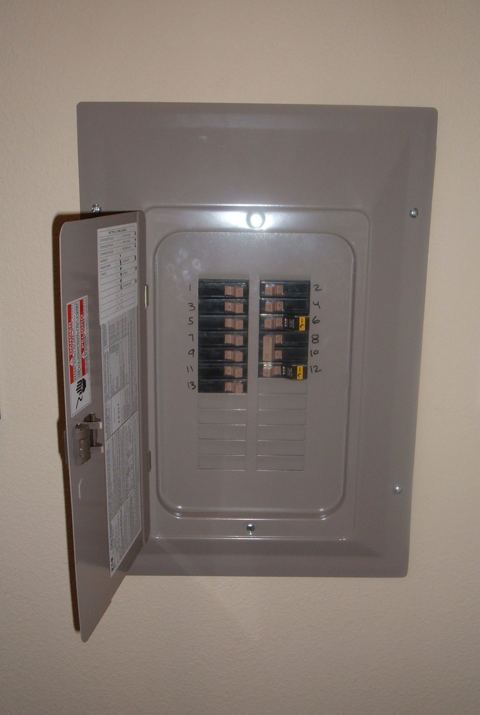
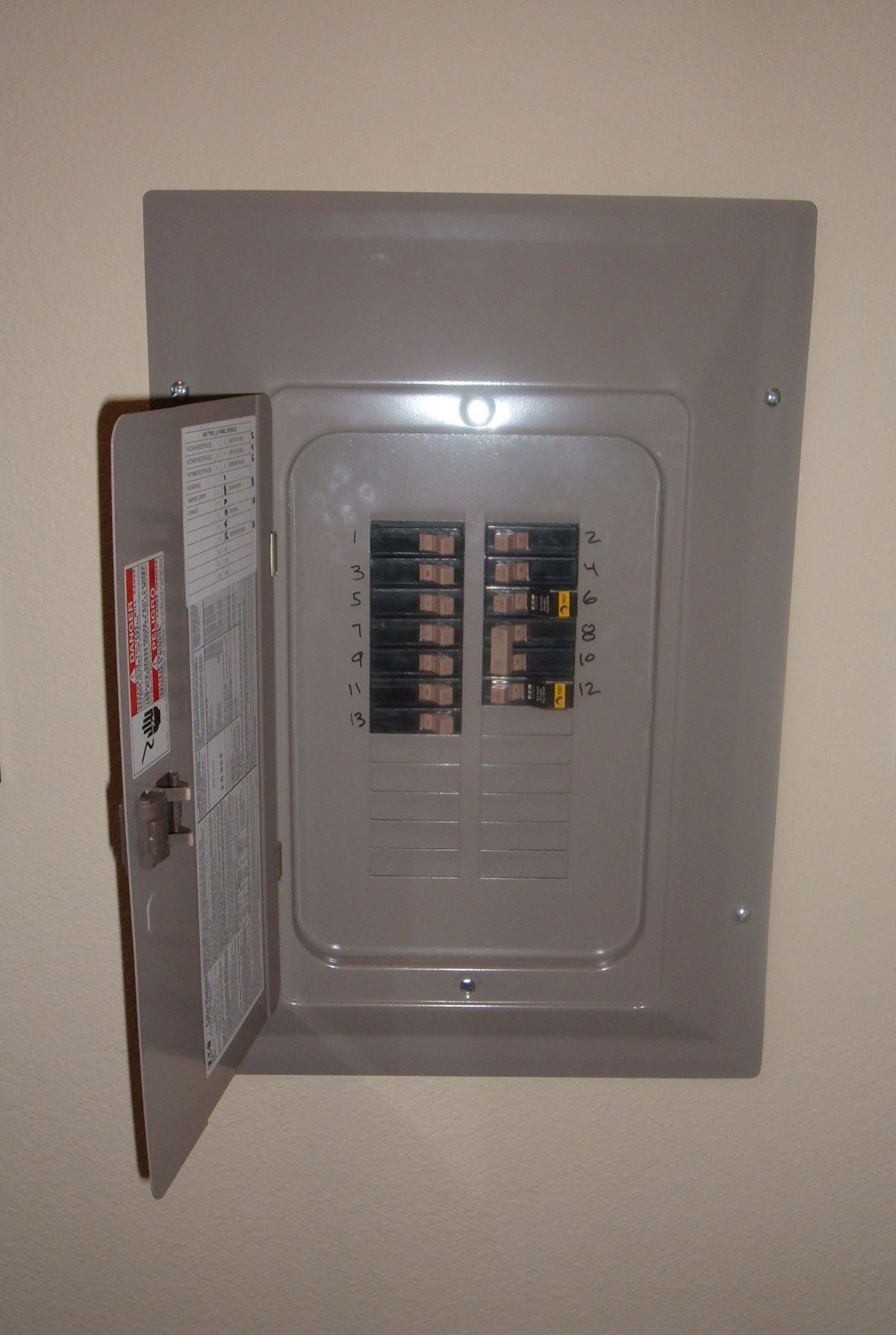
Check your breaker box. A two-pole breaker at 240V usually means no neutral on that circuit. A single-pole breaker at 120V usually means a neutral is present and expected.
Mini Split Voltages, Breakers and Neutral Use
Here's how the voltage requirements break down in practice:
-
Smaller capacity mini splits often run on standard household 120V power. Think 9,000 to 12,000 BTU single-zone units on a single-pole breaker. These need hot, neutral and ground. A 12,000 BTU mini split usually needs a 15-amp breaker on 110V.
-
Mini splits over 12,000 BTU usually need 220-volt power. Most mini splits above 12,000 BTU need 208–240V power, running off a two-pole dedicated circuit breaker with two hot legs and a ground. No neutral is needed. Higher voltage systems draw less amperage than lower voltage systems for the same load, which means smaller wire and lower losses.
-
On the nameplate, the minimum circuit ampacity (MCA) and Maximum Overcurrent Protection (MOP) numbers determine your breaker and wire size, not whether a neutral is used.
Wires in Mini Splits: Neutral, Ground and Communication
This is where I see the most confusion, so let me be direct:
-
The neutral wire is the ground wire that usually carries current in 120V circuits. It is bonded to ground only at the main service disconnect. Never out in the field at a disconnect box or junction box.
-
The green or bare wire is a safety path that should never carry current in normal operation. It must never be used in place of a neutral wire. These two wires have completely different purposes.
-
Between the indoor and outdoor mini split units, the control or communication cable carries low-voltage or signal wires. Even if one happens to be white, it is not a neutral. Mixing these up can break control boards.
-
Tying communication wires or the ground into a neutral bar can create shock hazards and fry the mini split's electronics.
-
Match each wire to the labeled terminal. That is 1, 2, 3 and ground. Do it exactly as shown in your mini split installation manual. No guessing.
When the Neutral Wire Matters During Mini Split Installation
When you are planning the electrical side of a mini split installation, the neutral question comes up at a few key decision points:
-
If you are replacing a window unit that runs on 120V with a 240V mini split, you can't simply reuse the old neutral as a second hot unless it's on properly sized cable and re-identified to code. Using the wrong wire gauge can cause overheating and fire risks.
-
The City of Mesa says you don't need a permit to replace an air conditioner if the new unit uses the same or less electricity than the old one. But changing the electrical connections does require a construction permit. Many municipalities have similar rules.
-
An electrician will usually pull new 12/2 or 10/2 with ground from the panel to a weatherproof disconnect near the outdoor unit, eliminating the neutral completely on that run. An outdoor lockable disconnect switch must be installed near the outdoor compressor unit.
-
Regardless of whether a neutral is present, the disconnect box, whip and breaker must all match the mini split system's MCA/MOP ratings. Using shared circuits can lead to tripping breakers and poor performance.
Should You Run a Neutral for Future-Proofing?
This is a question I get more often than you'd be surprised to hear:
-
Some electricians run cable with a neutral wire (like 12/3 with ground) even for 240V loads, so the white wire can be re-identified if the circuit is ever converted to 120V later. That kind of forward thinking can save you more money down the road.
-
If a white wire has been re-identified as a hot leg for a 240V mini split, it must be taped or covered in a non-white color at every connection point, every box, every piece of conduit, per code. This prevents the next person from making a dangerous error.
Safety and When to Call a Pro
I'm going to keep this direct because this stuff matters:
-
All work on mini split wiring must be done with power off at the main panel. Verify with a non-contact tester at the disconnect and panel before touching anything. This is the kind of process that keeps you safe.
-
Common DIY mistakes that break code: changing breaker sizes, "borrowing" neutrals from nearby circuits, or creating a bond between neutral and ground in a subpanel. These can create real shock and fire risks.
-
Handle basic tasks like mounting wall brackets and planning locations yourself. Leave high-voltage connections and any refrigerant work to licensed pros. EPA 608 Type II or Universal certification is needed for handling refrigerant in mini splits. They are high-pressure systems. That certification never ends, but it is not optional.
Wiring a Mini Split DIY or Pro
I understand the appeal of doing it yourself. I'm a DIY guy at heart. But here's where I draw the line:
-
Wrong neutral handling, like sharing, making it too small or leaving it out when needed, can overheat wires, trip fuses and breakers or damage the mini split's electronics. Using the wrong wire gauge can cause overheating and fire risks. I've seen it create real trouble.
-
Improperly wired neutrals or grounds will often cause manufacturer warranty issues if the unit fails and the installation is inspected. That's an expensive error to make compared to hiring a pro.
-
In areas like Mesa, Arizona, check both the National Electrical Code and local changes before you decided to DIY the electrical portion. The building department is not there to sell you on red tape. They are keeping your house safe, and your project needs to work with those standards.
-
Document the final wiring with photos of the panel, disconnect and terminal strips. Future service techs will understand your setup instantly and won't have unexpected surprises when they open the disconnect box.
FAQ About Mini Split Neutrals
Can I convert an existing 120V circuit with a neutral to power a 240V mini split?
A 240V mini split needs two hot wires from opposite phases and a proper equipment ground. Simply reusing the neutral as a second hot is only acceptable if the cable has enough wires and is correctly re-identified to code, with black or red tape at every connection point. Most existing 120V general-purpose branch circuits are not sized, routed or permitted for conversion to dedicated HVAC loads without panel work and permits. Have a licensed electrician look at the existing run before attempting any conversion for a new mini split system.
What happens if I hook a neutral wire to a mini split that does not need it?
Landing a neutral on an unused terminal usually does nothing, but misusing a neutral as a hot or tying it into communication terminals can short electronics or create ground-fault issues. Adding unnecessary wires to terminals not shown on the wiring diagram is always a red flag and can void warranties. Cap and neatly store any unused neutral in the disconnect box. Don't connect it to the unit unless the manual specifies a neutral terminal.
Do Mini Split Surge Protectors Need a Neutral?
Surge protectors come in both 120V (hot-neutral-ground) and 240V (hot-hot-ground) versions. For a typical 240V mini split without a neutral, you'll use a two-pole surge protector that connects to both hot legs and the equipment ground only. Follow the surge protector manufacturer's wiring diagram and local code, or have an electrician install it in the panel or disconnect box.
Can You Share a Neutral Between Mini Splits?
Each mini split needs its own dedicated circuit breaker. The National Electrical Code requires dedicated circuits for major appliances. Neutrals, when used, should never be shared between separate branch circuits or units. Shared neutrals can carry unexpected current if breakers are not properly tied, creating overheating and fire risks. Every mini split needs a dedicated circuit breaker - no exceptions.