Key Takeaways
-
Every mini split has a continuous equipment grounding wire running from the main panel or sub panel through the disconnect to the outdoor unit, and then from the outdoor unit to the indoor unit.
-
A mini split needs its own circuit with a waterproof disconnect box you can see from the outdoor unit, and no other loads can share that breaker.
-
Missing or loose grounds can put line voltage on metal cases, destroy inverter control boards during storms, and void manufacturer warranties, insurance claims and utility rebates.
Why Mini Split Grounding Matters
Mini split grounding requirements are not optional decoration on a wiring diagram. Grounding is the low-resistance path that carries fault current back to the source and keeps every metal surface on the unit at earth potential. Installing a mini split air conditioning system requires adherence to the National Electrical Code (NEC), and grounding is where I see the most DIY mistakes.
The layout is straightforward: the outdoor unit (condenser or heat pump) gets power from a dedicated circuit at the panel, and the indoor unit gets power and communication from the outdoor unit through a multi-conductor cable. Both units share a grounding system that ties back to the service. Grounding is critical for the safe operation of mini split systems using inverter technology, because these units contain sensitive IGBTs and control boards that fail when surge current has no safe path to follow. This post covers only the electrical and grounding side. Handling refrigerants, brazing and pulling a vacuum pump on the line set are licensed jobs; leave those to a pro.
NEC Rules Behind Mini Split Grounding
NEC Article 250 covers grounding and bonding requirements for electrical installations. NEC Article 440 specifically addresses the electrical requirements for air-conditioning and refrigeration, including mini splits. Here's how those rules work for you:
-
The "equipment grounding wire" is the bare or green wire tied to metal parts. It can only carry current when there is a fault. The main grounding need for a mini split is a dedicated EGC.
-
A dedicated equipment grounding wire has to run with the branch circuit that supplies the mini split, inside the same cable or conduit. Grounding wires must be separate from the normal wires that carry current in a mini split system.
-
Mini splits usually run on 120V or 240V. Smaller units use 120V while larger ones need 208 to 240V. Most home installs are three-wire: hot, hot, ground, with no neutral.
-
Dedicated circuits are required by the National Electrical Code. Local codes often enforce amended NEC rules for specific installations and grounding practices, and Mesa adopted the 2023 NEC with amendments effective January 8, 2026.
Dedicated Circuit, Breaker Size and Ground Conductor
Mini splits require a dedicated circuit per NEC Article 440. Dedicated circuits prevent voltage issues from shared appliances. No lights, receptacles or other loads belong on that breaker.
To select the right wire size and breaker size, read the nameplate on the outdoor unit. Two numbers matter:
- Maximum overcurrent protection (MOP): the largest breaker or fuse you can use. Use this to pick breaker size.
| BTU Rating | Typical MCA | Typical MOP | Copper Wire Size | Breaker | EGC Size |
|---|---|---|---|---|---|
| 9,000–12,000 | 12 A | 20 A | #12 AWG | 20 A double pole breaker | #12 AWG |
| 18,000–24,000 | 18 A | 25 A | #10 AWG | 25 A double pole breaker | #10 AWG |
| 36,000+ | 28+ A | 40–50 A | #8 or #10 AWG | 40–50 A double pole | #10 or #8 AWG |
Use #12 AWG wire for 15 to 20A dedicated circuits. The grounding conductor must be sized according to the circuit's overcurrent protection device rating per NEC Table 250.122, not the load draw. Hard-wiring is often required for mini split systems; the unit is typically connected directly to the disconnect rather than through a receptacle.
Grounding the Outdoor Unit and Disconnect
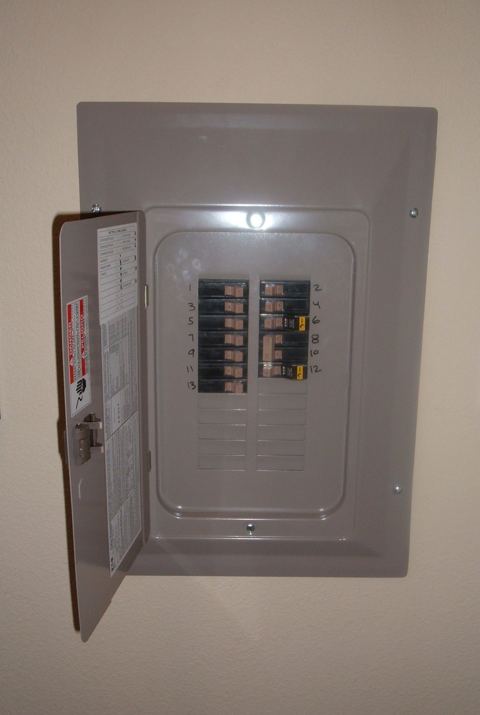
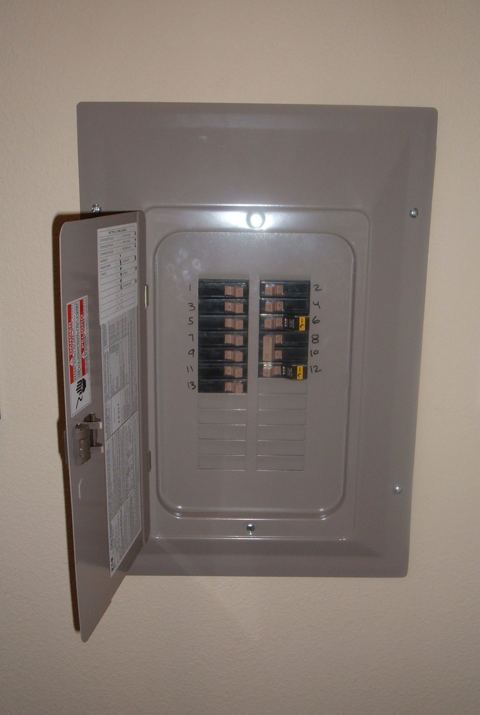
From the panel, the branch circuit runs to a weatherproof disconnect, then to the outdoor unit. A disconnect switch has to be near the mini split unit. Install a weatherproof disconnect box within 10 feet of the unit and in line of sight, so a technician can confirm the power is off before working on the equipment.
-
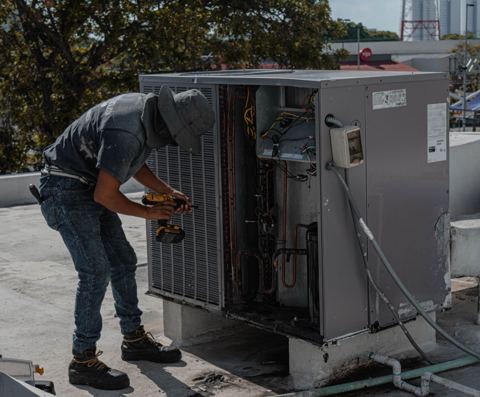
The equipment grounding wire from the panel connects to the disconnect's ground bar, then continues to the outdoor unit's green ground lug. Grounding must connect to the outdoor unit's ground lug, which is usually marked with "G," "EGC," or a ground sign.
-
The equipment grounding wire must be continuous and bonded throughout the installation. There can't be any breaks, and you can't have floating wires coiled inside the disconnect box.
If you use an outdoor-rated sub panel as your disconnect, the ground bar must be bonded to the metal can and run back to the main panel. The neutral bar must be isolated from the can, so remove the bonding screw. You'll need this separation in every downstream panel.
Don't drive a separate ground rod just for the mini split instead of running a proper EGC back to the service. Ground rods generally aren't substitutes for the equipment grounding conductor in mini split systems. Isolated rods that aren't bonded back to the main grounding electrode system can create dangerous voltage differences. In Mesa, inspectors check that the disconnect is in line of sight and that the outdoor unit's ground connection is tight and corrosion-free.
Grounding the Indoor Unit and Communication Cable
Most ductless mini splits power the indoor unit from the outdoor unit through a multi-conductor cable, usually 14/4 with ground and flexible wire. This cable includes:
Strip the cable carefully so you don't nick the wires. Connect the ground wire under the labeled ground screw on both the indoor unit and outdoor unit terminal blocks. Match wire numbers (1, 2, 3, G) exactly between both ends. Indoor and outdoor unit bonding is essential for a mini split system to work right. Flexible wire with many small strands handles vibration and thermal expansion better than solid wire.
Conductor Types, Cable Routing and Bonding Details
- All metal junction boxes, disconnect boxes and line set covers with wiring must be bonded to the equipment ground using a grounding screw or clip.
Ground Fault Protection and DIY Mistakes
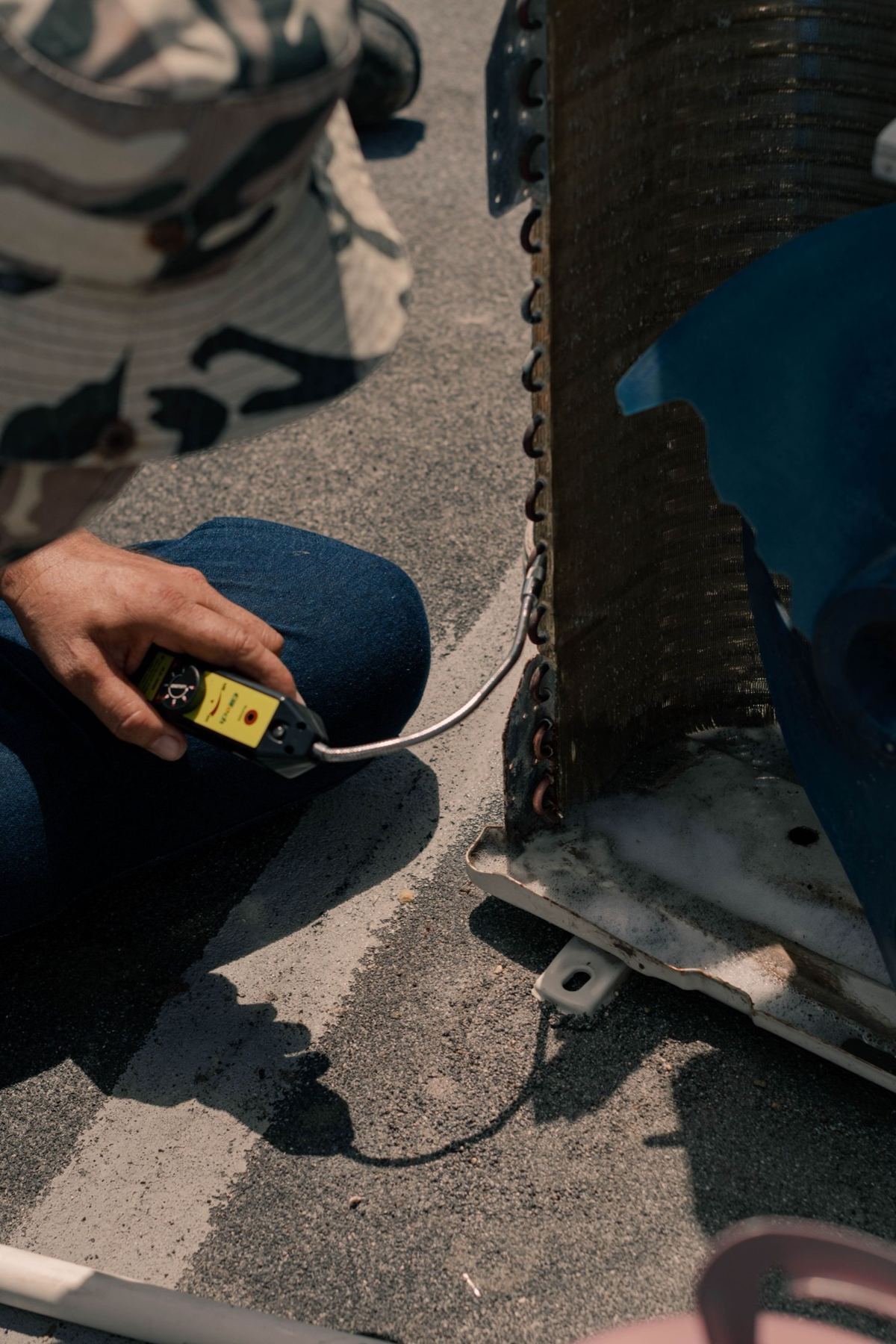
Grounding prevents electric shock by sending fault current safely into the earth. It also prevents heat buildup that could set fire to nearby materials when there is a fault. Here's how you can confirm your work and avoid common fault issues.
Simple checks you can do:
- Visually check that the ground wire is present and connected at the panel, disconnect and equipment.
Common mistakes I can see in the field:
- Leaving the ground wire coiled in the disconnect without connecting it
If a breaker keeps tripping, the chassis feels tingly or lights flicker when the compressor starts, shut off the breaker and call an electrician. Don't try to diagnose a ground fault by hand.
Permits, Rebates and Grounding Paperwork
Most cities require an electrical or mechanical permit for adding a mini split. In Mesa, even a detached shed under 200 sq ft needs a construction permit once you add electrical work or a mini split.
Inspectors routinely check correct breaker size and wire size, whether the equipment ground is present and continuous, whether the disconnect and sub panel are properly bonded, and whether manufacturer instructions were followed for grounding. If any of that fails, the permit fails.
Utility rebates depend on passing inspection. SRP's Cool Cash program pays $225 per ton for variable-capacity or inverter mini splits, which qualify as heat pumps, with a cap of $1,125. A grounding violation that causes an inspection failure will cost you the rebate. Some manufacturers also reserve the right to deny warranty claims on the compressor or control board if the unit was installed without permits or with obvious grounding violations.
Keep a job folder with permit copies, the panel schedule showing the dedicated circuit, and photos of every grounding connection. That paperwork is worth its weight when you sell the house or file an insurance claim.
FAQ
Can I share a mini split circuit?
No. A dedicated circuit means no other loads, no matter what wire size you use. The breaker, wire and mini split are a matched set per NEC 440. You can run a separate 15A or 20A 120V circuit for a service outlet near the outdoor unit, but you can't tap it off the mini split's 240V line. A sub panel fed with 4-wire cable (hot, hot, neutral, ground) can legally provide both the dedicated mini split breaker and separate 120V breakers if it's wired and grounded right.
Do I need a ground rod for my outdoor mini split?
In a typical residential installation, no. You run an equipment grounding wire back to the main service ground through the branch circuit. Extra isolated rods that aren't bonded into the main grounding electrode system per NEC 250 can create shock hazards by allowing a voltage difference between two grounding points. If you suspect your service grounding is outdated or damaged, call a licensed electrician for grounding electrode work.
What wire for a 30A 240V mini split?
Most 30A 240V circuits use #10 AWG copper conductors with a #10 equipment grounding conductor. The final choice must follow the outdoor unit nameplate (MCA and MOP) and local code. Aluminum wire has different ampacity and termination requirements. Most DIYers should stick to copper. Confirm with your inspector before pulling long runs, especially if voltage drop is a question on runs over 50 feet.
Is Romex okay in conduit?
NM-B (Romex) isn't allowed outdoors or in wet locations, even inside conduit, because its insulation isn't rated for moisture or sunlight. Once the run leaves the conditioned space or enters an exterior wall cavity exposed to weather, switch to individual THHN/THWN wires in conduit or UF-B cable. Whatever wiring method you pick must still include a continuous equipment grounding wire from the panel to the outdoor unit disconnect.
What if my mini split isn't grounded right?
You'll probably see nuisance breaker trips, static shocks from the indoor unit, noisy operation, random controller lockups or blown fuses on the inverter board. In a worst case fault, a loose or missing ground can energize the metal housing at 120 to 240V, which is a serious shock risk. Turn off the breaker and call an electrician or qualified HVAC installer if you suspect a grounding problem. Don't try to save time by testing energized metal surfaces by touch.