Key Takeaways
-
Yes, most permanently installed mini splits are required by code to be on a dedicated circuit sized for that unit only.
-
The size of the breaker and the wire you use come from the MCA (Minimum Circuit Ampacity) and the MOCP (Maximum Overcurrent Protection) that are listed on the nameplate-not from a guess.
-
Sharing a circuit with other loads is usually a code violation and can cause random tripping, overheating wiring or fire.
-
In most parts of the U.S., including Arizona, if you are putting in new wiring for a circuit, that is a job for a licensed pro. You can plan where things go and pull the permits yourself, but you shouldn't work on live panels or open up refrigerant lines.
How Circuit Requirements Affect Your Mini Split
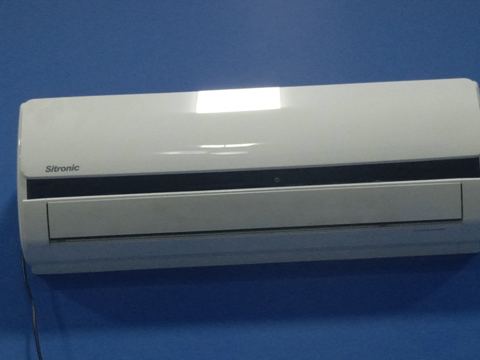
Does a mini split need a dedicated circuit? I'm an HVAC guy based in Mesa, Arizona and a surprising number of my service calls start with the same problem: a mini split wired to the wrong breaker or sharing power with something it shouldn't. A mini split is a ductless heat pump or AC system with an indoor air handler mounted on the wall and an outdoor condenser connected by refrigerant lines. Many mini split systems require a dedicated electrical circuit, and skipping that step is where things go wrong.
So, does a mini split need a dedicated circuit? Most of the time, yes. The National Electrical Code and manufacturer instructions both require it. Installation quality on the electrical side matters just as much as proper refrigerant charge and pulling a good vacuum pump reading. In this article, you'll learn how to read the nameplate, when a dedicated circuit is mandatory, rough cost expectations and what you can safely handle as a DIY project versus what calls for professional installation.
When a Mini Split Needs a Dedicated Circuit
If your mini split is permanently installed, it almost always needs to have its own dedicated circuit and breaker. Mini-splits are hardwired appliances that need a specific amperage and circuit protection, and the amount of amperage and the type of circuit protection are both stated on the unit's nameplate. The NEC looks at them as fixed equipment with a continuous cooling load, and that is why electricians size a circuit just for that piece of equipment.
Here is what typical sizing looks like when you go by BTU capacity:
| BTU Capacity | Common Breaker | Common Voltage |
|---|---|---|
| 9,000–12,000 BTU | 15–20A | 208/230V |
| 18,000–24,000 BTU | 20–25A | 208/240V |
| 36,000+ BTU | 30–40A | 208/240V |
"Dedicated" means no outlets, lights, or other appliances on that breaker-only the mini split and its disconnect. Running a unit off an existing dryer circuit or a multi-plug garage outlet is unsafe and not code-compliant. Voltage requirements for mini-splits typically range from 115V to 240V depending on BTU capacity, and units larger than 18,000 BTU typically require a 208V or 240V supply.
Reading the Nameplate and What MCA and MOCP Mean for Your Circuit
MCA (Minimum Circuit Ampacity) is the smallest wire ampacity that the circuit must be able to handle. It has to do with continuous operation and the current that the compressor needs when it starts up. MOCP (Maximum Overcurrent Protection) is the largest breaker or fuse that the manufacturer lets you use. Going above MOCP is a code violation.
Here is a practical example for an 18,000 BTU indoor unit:
| Label Value | What It Means | Typical Circuit |
|---|---|---|
| MCA: 15.2A | Wire must carry at least 15.2A | 12 AWG copper minimum |
| MOCP: 20A | Breaker can't exceed 20A | 20A double-pole 240V breaker |
The MCA formula from NEC 440.33 is roughly 1.25 × largest motor RLA plus other loads. Higher-efficiency units made after 2023 meeting 14.3 SEER2 standards sometimes pull fewer amps for the same BTU output, but you still follow the nameplate-always.
Why Mini Splits Usually Need Dedicated Circuits
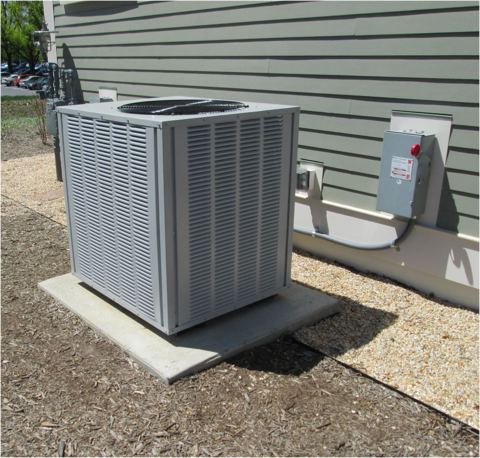
The National Electrical Code requires fixed HVAC equipment to be hardwired to a dedicated circuit. Under NEC Article 440, mini splits with hermetic refrigerant motor-compressors must be on an individual branch circuit with properly sized overcurrent protection and a local disconnect within sight of the outdoor condenser.
Electrical codes mandate a local disconnect switch near the outdoor unit for safety requirements during servicing. Most mini-splits require a NEMA 3R rated disconnect box for outdoor units, which provides weather protection for the switch.
The "continuous load" concept is straightforward: if equipment runs more than three hours at a time-and in an Arizona summer, your mini split absolutely will-the circuit must be sized to 125% of the running load. So a 12A running load means the circuit handles at least 15A. Local jurisdictions may adopt different NEC editions, so verify with your building department. In Mesa, Phoenix, Chandler and Gilbert, inspectors expect a dedicated circuit for every new ductless system. Ignoring the manufacturer's electrical instructions can void warranty coverage and fail inspections, even if the system seems to run fine.
Choosing Breaker Size, Wire Gauge and Voltage for Your Mini Split
This section turns those MCA and MOCP numbers into real-world choices for breakers and wire. You should still hire a licensed electrician or HVAC pro for final sizing-this is about understanding the process, not replacing a pro.
Common wire and breaker choices:
-
15A breaker → 14 AWG copper
-
20A breaker → 12 AWG copper
-
30A breaker → 10 AWG copper
You shouldn't use smaller wire to save money. For long runs over 75–100 feet, go up one wire size to reduce voltage drop so the unit gets proper power when it starts up. Installing a surge protector for mini-splits is recommended to safeguard against power spikes, especially in areas with summer storms like we get here in central Arizona.
What If You Skip a Dedicated Circuit?
I once worked on a garage mini split in Mesa that was sharing a circuit with a freezer and a bench grinder. Every hot July afternoon, the breaker tripped when the compressor started up at the same time the freezer cycled. You might assume the unit was broken. It wasn't-the electrical system simply couldn't serve all three loads.
Sharing a circuit with other appliances breaks electrical codes and creates safety hazards. Here is what goes wrong:
-
Breaker trips when the compressor starts or another big load comes on
-
Overheating wiring hidden inside the wall, which damages insulation and creates fire risk
Mini-splits draw big current when they start up and when they run continuously. Low voltage when the unit starts up can shorten compressor life. The sensitive electronics in inverter-driven units may fail early. Improper installation can lead to reduced efficiency and higher bills. Many manufacturers will deny warranty claims if they find shared circuits during diagnostics. A dedicated circuit isn't an upsell-it's only one part of good installation quality.
DIY vs Professional Installation
You can contribute useful labor and still keep the dangerous work in expert hands. Here is how to decide what you can perform yourself:
Leave to licensed pros:
-
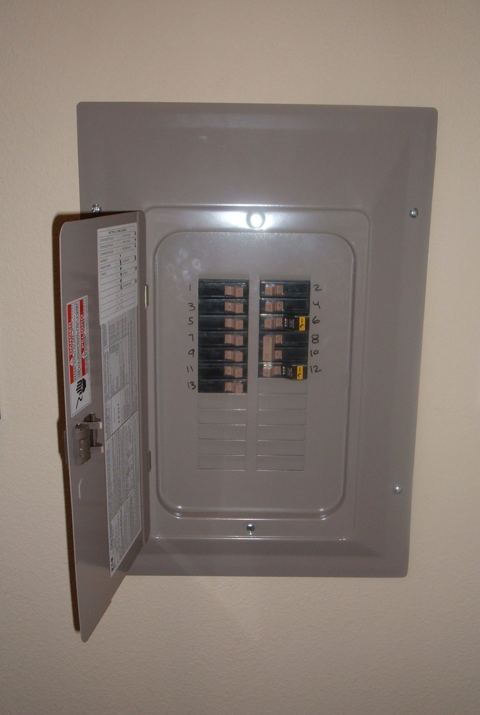
Pulling a new dedicated circuit from the panel and figuring out the right breaker and wire gauge
-
Making connections at the panel, the disconnect and the outdoor unit
-
Brazing refrigerant lines, pulling vacuum and charging-refrigerant work needs EPA Section 608 technician certification (Type II or Universal for high-pressure equipment like mini splits)
In Arizona, the R-39 residential license covers installing and repairing comfort AC and mini splits, including adding a circuit to an existing panel.
It does not allow installing a new panel or subpanel-that needs a separate electrical license. Professional installation also means code compliance, inspections and a process that protects you if something goes wrong. Mixing DIY mounting with pro electrical and refrigerant work is a practical way to reduce cost without taking safety out of the equation.
Circuit Sizing and Efficiency Upgrades
Modern high-efficiency mini splits have different amp draws than older equipment. That affects circuit sizing. Since 2023, the national minimum for split-system heat pumps is 14.3 SEER2 and 7.5 HSPF2. Heat pumps don't have a separate Southwest EER2 requirement like split ACs do. In Arizona, split-system central ACs that were put in since January 1, 2023 must hit at least 14.3 SEER2 under 45,000 Btu/h.
Higher efficiency can mean lower operating amps. An 18k BTU heat pump at 14.3 SEER2 may draw less current than an older 13 SEER unit that gives the same actual heating and cooling capacity. But breakers and wiring must match the new unit's nameplate, not the old system's numbers.
If you're planning a replacement or future upgrade, using slightly larger wire on a new dedicated circuit today can support a larger unit later without removing and re-pulling cable. The breaker must still match the specific equipment label when you install the new unit. Clean routing, available panel space and proper labeling are things that prove their value years down the road when the shed out back needs its own area of climate control or you add a second indoor unit to the house.
Making Sure Your Mini Split Has Power
A mini split is one of the most efficient ways to heat and cool a room-but only if it is powered by a properly sized, dedicated circuit that follows the nameplate and local code. A dedicated circuit is standard practice that protects your investment and your home, not something to simply skip to save a few dollars.
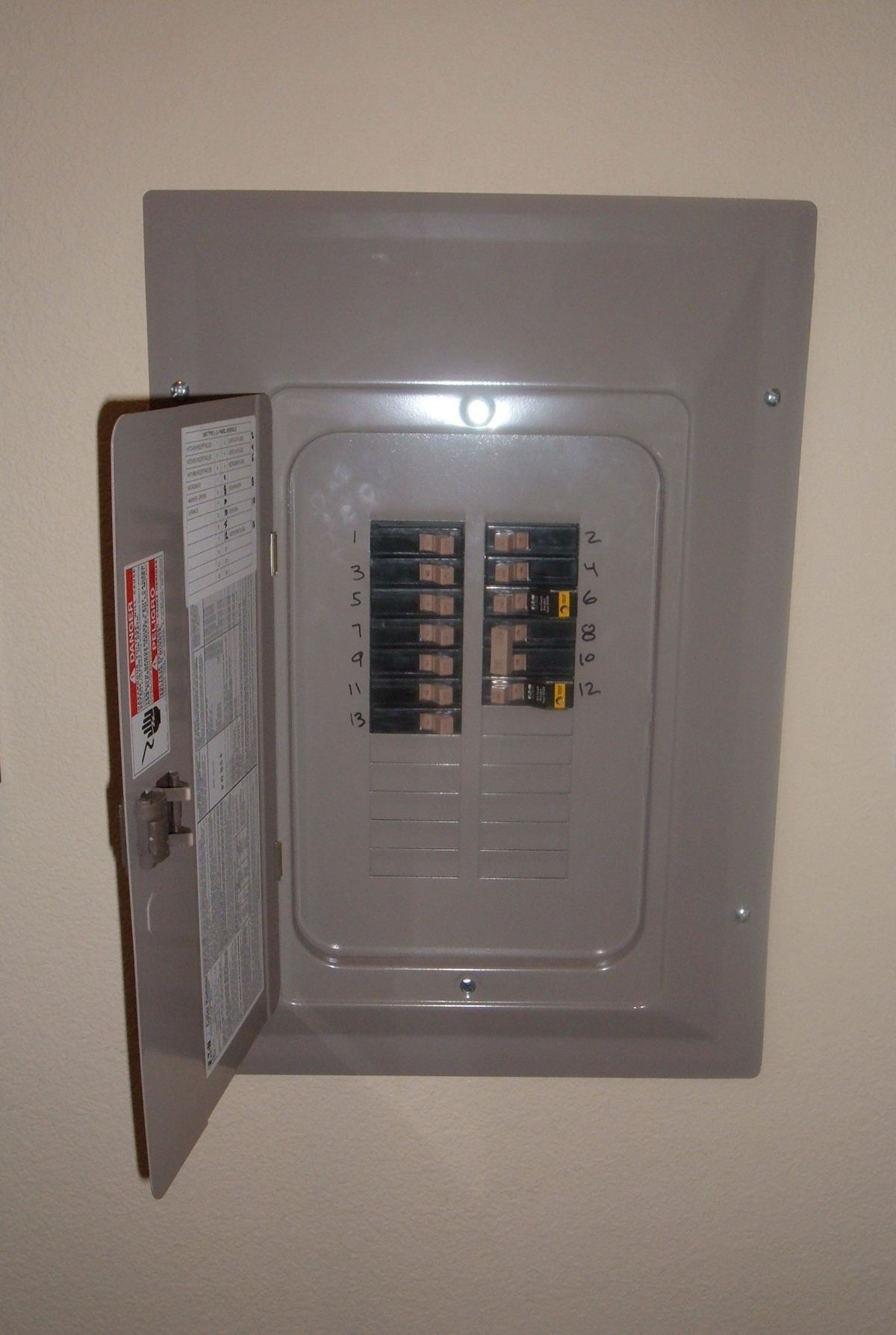
Check your existing circuit and panel labels. Verify MCA and MOCP against your breaker size if you suspect shortcuts were taken. If you see outlets on the same breaker, extension cords or wire that is too small serving your mini split, call a qualified electrician or HVAC pro. Understanding how circuits work and what your supply requirements are puts you in a stronger position when paying a contractor for professional installation. That knowledge doesn't necessarily replace a pro-it helps you hold one accountable.
FAQ on Mini Split Circuits
Can You Plug a Mini Split Into a Regular Outlet?
A few very small 120V units come with a factory cord and plug, but most permanently installed mini splits are hard-wired. Even plug-in models should have a dedicated 15–20A circuit. Using extension cords or power strips is unsafe and it breaks both the instructions in the manual and the electrical code.
Do I need a GFCI or AFCI breaker for my mini split circuit?
Requirements vary by code cycle and area. Some areas now need AFCI protection for new branch circuits inside living spaces. Follow local code and manufacturer instructions. Outdoor-only equipment circuits aren't always GFCI-mandated, but this is changing in newer NEC editions.
Can I upsize the breaker if my mini split trips it occasionally?
Never install a larger breaker than the MOCP on the unit's nameplate to stop random trips. Frequent tripping points to an underlying problem-wire that is too small, shared loads, a failing compressor or low voltage-that needs diagnosis by a pro, not a larger breaker.
Is a permit required to add a dedicated circuit for a mini split?
In most U.S. cities, including Mesa and the greater Phoenix area, yes. A license is expected for adding a new HVAC circuit and often for the mini split installation itself. Use a licensed contractor who pulls proper permits so inspections happen and your work is on record for long-term safety and resale.