Key Takeaways
-
Most mini splits can't be plugged into a regular wall outlet. They have to be hard wired to a dedicated circuit that is sized to match the outdoor unit's nameplate ratings.
-
A few 110-120V plug-in mini splits do exist, usually 9,000-12,000 BTU units, but even these need a dedicated receptacle with nothing else on that breaker.
-
Using extension cords, power strips or shared circuits with a mini split is a fire and shock hazard and it'll void your warranty.
-
Homeowners can usually handle the mounting and line set themselves, but adding breakers, running new wire through conduit, and panel electrical work should go to a licensed electrician.
-
Before you buy any mini split, check the unit's nameplate for MCA and MOCP values, read the installation manual and verify your local code requirements.
Can You Plug a Mini Split Into a Wall Outlet?
Can you plug a mini split into an outlet? I get this question all the time from homeowners who are figuring out their first mini split install. It might sound simple: you buy the system, hang the inside unit on the wall, set the outside unit on a pad, and plug the whole thing into the nearest outlet. Done, right?
Not quite. Most ductless mini splits are designed to be hardwired to a dedicated circuit, not plugged into a typical 15A wall outlet like a window unit or a box fan. Some newer 110-120V models are sold as "plug and play," which adds to the confusion. Here in Mesa, where your AC is basically a survival tool from May through October, getting the power connection wrong isn't just inconvenient. It's dangerous. Let me walk you through when (if ever) you can plug a mini split into an outlet, what a dedicated circuit actually means, and how to stay safe and code-compliant.
Why Standard Mini Splits Don't Plug Into Regular Outlets
Traditional mini splits, whether 115V or 208-240V, are built to be hardwired from the electrical panel. They are not designed to plug in like a window AC. Most mini split systems require hard wiring to a dedicated electrical circuit, and most mini splits require a dedicated circuit by code.
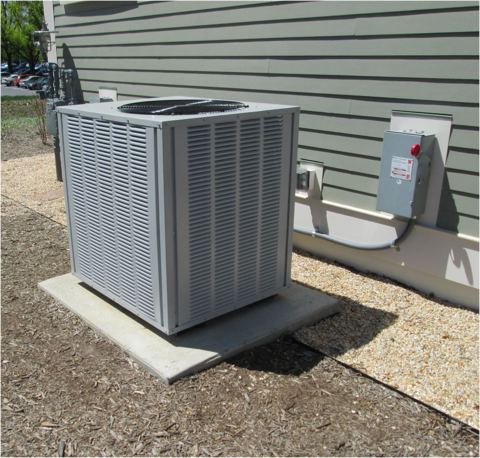
The compressor inside the outdoor unit pulls a large surge of current at startup, often 2-3 times its running draw. That inrush can overload a general-purpose wall outlet circuit that's already sharing power with lamps, TVs or computers in the same room. A standard install looks like this: breaker at the panel, dedicated circuit wiring run through conduit or approved cable, outdoor disconnect switch near the condenser, then power feeds to the outdoor unit. Control cable and refrigerant line connect to the indoor head separately.
Manufacturer installation manuals from brands like Pioneer call for a hardwired, dedicated circuit. Ignoring that voids your warranty. And a disconnect must be near the outdoor unit per NEC 440.14, so a service tech can safely de-energize the equipment before working on it. Building inspectors in places like Maricopa County will fail an install if a fixed mini split is connected to a random receptacle circuit with no disconnect.
Mini Split Electrical Basics
The "can I plug it in?" question comes down to voltage and amp draw. Voltage requirements for mini splits vary based on BTU capacity. Many smaller mini splits operate on 115V/120V circuits. 9,000-12,000 BTU units often run on 115V. Units 18,000 BTU and larger usually need 208-230V, and 220V mini splits can handle larger spaces over 600 sq ft.
A 230V system needs a double-pole breaker and two hot legs. That physically can't be served by a standard 120V wall outlet. There's no adapter, no fix and no way to make a 120V receptacle deliver 240V. The wiring itself is what makes the difference.
Wire and breaker sizing must match the outdoor unit's nameplate values. MCA (Minimum Circuit Ampacity) is what sizes the wire. MOCP (Maximum Overcurrent Protection) is what caps the breaker. For a typical 12,000 BTU 240V unit, that means 12 AWG copper wire and a 20A breaker. Using a smaller gauge or a bad match on the breaker will create heat buildup inside the wall and risks fire. Inverter mini splits ramp power up and down for efficiency, but they still need a properly sized circuit to handle peak draw without annoying trips.
What Is a Dedicated Circuit and Why Do Mini Splits Need One?
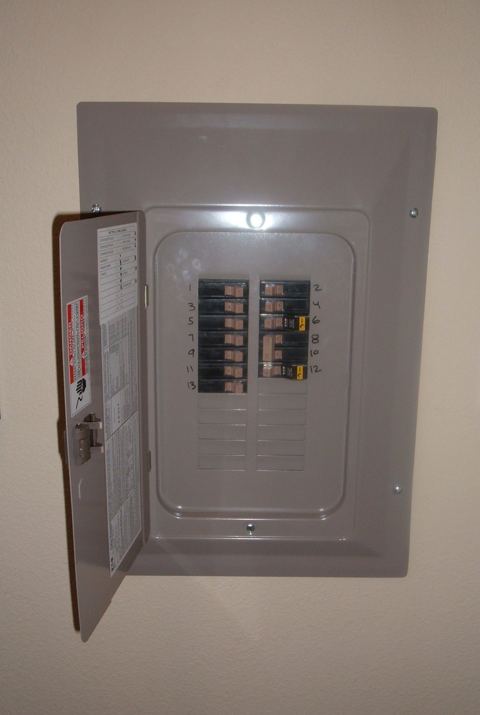
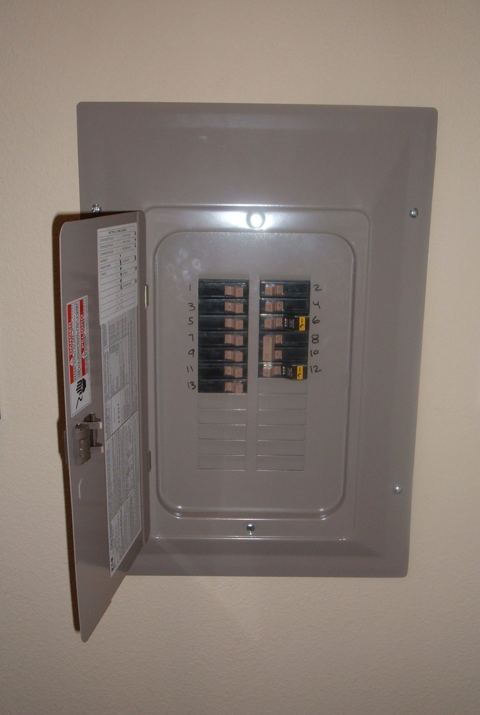
With a dedicated circuit, you get a breaker and wiring that serve only one appliance, with nothing else on that run. Picture a 20A or 30A breaker in your panel labeled "mini split." That breaker sends one line to the outdoor unit and its disconnect. No other outlets, lights or door bells share that wire.
Mini splits need a dedicated breaker that can't share with other appliances. Here's why:
-
Startup current: the compressor draws a surge that can trip a breaker already loaded by other devices on the same circuit.
-
Continuous operation: on 110°F Arizona days, the system runs for hours. NEC Article 440 classifies mini splits as motor-compressor loads requiring dedicated branch circuits for fixed HVAC equipment.
-
The National Electrical Code prohibits mini splits from being plugged into shared outlets. Dedicated circuits prevent overheating and tripped breakers in mini split systems.
Sharing a circuit with shop tools, a garage fridge or room lighting puts the load above safe limits. That's a code violation and a fire hazard.
110-120V Plug and Play Mini Split Systems
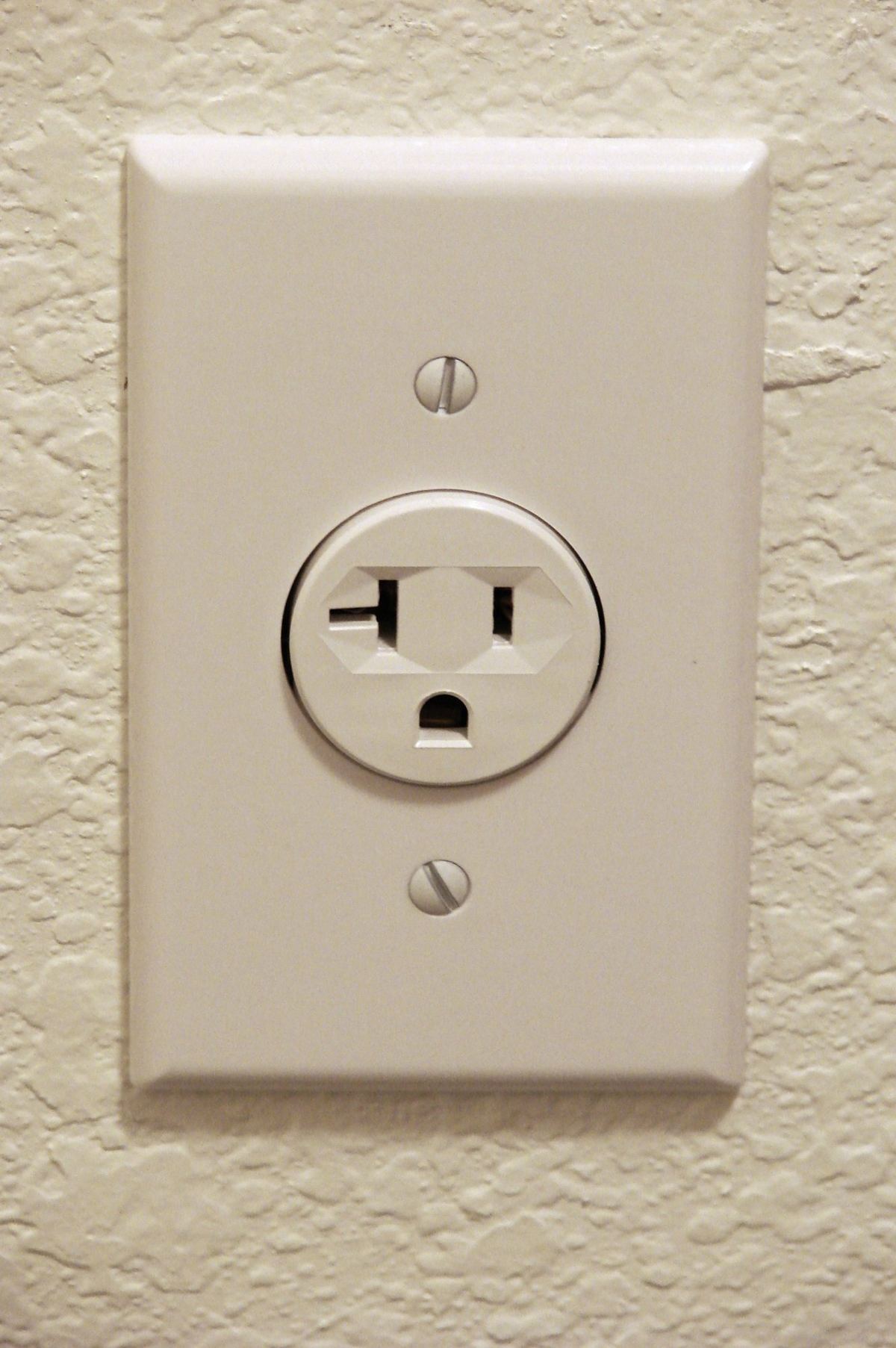
A small category of mini splits is compatible with a cord-and-plug connection. These are usually 9,000-12,000 BTU ductless systems running on 110-120V. Plug-in mini splits can use a 110V outlet, and 110V systems can plug into standard 15A outlets. They often ship pre-charged with quick-connect line sets so you can avoid opening the refrigerant circuit.
110V mini splits are suitable for spaces under 600 sq ft. They usually cover up to 600 sq ft, which makes them a solid choice for a single room, garage conversion or bonus space above the garage. Some models can deliver heating down to -13°F, making them year-round systems in most climates.
Optional power cord kits simplify installation if you're doing it yourself. Zone Air, for example, offers a factory cord kit for its 115V DIY models. But even these plug-in units still need a dedicated 15A or 20A receptacle. A dedicated outlet might sit in a weatherproof box near the outdoor unit or near the indoor head, depending on the manufacturer's design.
The point to remember: plug-in does not mean "any outlet." Electrical requirements for mini splits must comply with local building codes, and some areas still require these units to be hardwired even when the plug-in option exists.
When Is It Safe to Plug a Mini Split Into an Outlet?
Smaller mini splits may be installed with a plug if local codes allow. But only when every one of these conditions is met:
-
For that specific model, the manufacturer provides a listed cord-and-plug option.
-
The outlet is on a dedicated circuit with the correct breaker size (check the nameplate MOCP).
-
If your area needs it, the receptacle is properly grounded, with GFCI or AFCI protection.
-
No other devices, lights or connections share that circuit.
-
An outdoor disconnect is installed within sight of the condenser.
The receptacle should be a permanent, hardwired outlet, not a temporary power source. Ideally it sits in a weather-resistant box outdoors if it sends power to the condenser.
Here in Mesa and the wider Phoenix metro, high ambient temps and dusty conditions put extra stress on every electrical connection. Loose or corroded plug contacts in 115°F heat degrade faster than in cooler climates, so even when a plug-in setup is code-compliant, keeping connections clean and tight is part of routine maintenance.
What You Should Never Do With Mini Split Power
-
Never use extension cords. Light-duty or indoor-only cords overheat under compressor load.
-
Never use power strips or surge strips. They aren't rated for HVAC equipment.
-
Never share a garage or basement outlet with tools, fridges, freezers or other large draw items.
-
Never use two-prong or ungrounded receptacles with adapters. Missing a ground path creates a shock hazard.
-
Never add your own plug to a hardwired unit unless the manufacturer provides a listed kit. Doing so can void UL listing and warranty.
-
Never upsize a breaker beyond the MOCP printed on the outdoor unit's nameplate. The breaker exists to protect the wire, not to stop annoying trips.
-
Never bypass the outdoor disconnect or backfeed through a receptacle to power a mini split.
-
Always turn off power at the panel and test with a non-contact voltage meter before touching any mini split wiring.
DIY vs Electrician: Who Should Handle the Mini Split Electrical Work?
But any work inside the electrical panel needs a licensed electrician. That includes:
-
Adding a dedicated breaker and running new cable or conduit to the unit location.
-
Verifying panel capacity (older 100A service panels in some houses may not have enough power or spare spaces for a new circuit).
-
Sizing wire and breakers to match the unit's MCA and MOCP.
-
Installing a code-compliant outdoor disconnect switch.
-
Adding or upgrading receptacles for approved plug-in systems.
In SRP territory, seasonal kWh rates change throughout the year. SRP splits billing into Summer (May, June, September, October), Summer Peak (July, August), and Winter (November through April). The price per kWh shifts with each season. An electrician can help you choose the right circuit size and location to keep your loads balanced and your system running at peak efficiency when energy costs are highest. Pull permits where required. It protects you for insurance claims and home resale.
Tips for Running a Plug-In Mini Split
Keep indoor filters clean. Clogged filters force the system to draw more amps, which can trip a breaker and kill your cooling right when you need it. Clean filters also help the unit run at its rated efficiency, which helps save on monthly bills.
In Maricopa County, once it's above 95°F, fans alone won't keep you safe. Running from May 1 through September 30, the 2026 Maricopa County Heat Relief Network has more than 200 cooling, rest and water sites on hrn.azmag.gov. A properly powered mini split is not just a comfort buy. It's a safety tool in this climate.
Consider pairing your mini split with a smart thermostat if your model supports it. SRP's Bring Your Own Thermostat program pays a $50 bill credit per smart thermostat (up to two) at enrollment, plus $25 per thermostat each year you stay enrolled. SRP thermostat conservation events run May through October, between noon and 9 p.m., usually lasting three hours or less with up to 15 per season. You can override any event at the thermostat.
Before summer peaks, check the mini split's nameplate amp draw against the outlet or circuit rating. If something doesn't match or you have any doubt, call an electrician before the heat arrives.
FAQ
Any Mini Split That Plugs Into a Standard 15A Outlet?
Designed to work on a 15A circuit, a few 9,000-12,000 BTU 110-120V mini splits exist, but they still need a dedicated run and receptacle. You can check the unit's nameplate and installation manual. If the instructions call for a 20A dedicated circuit, you can't safely use an existing shared 15A outlet. Have an electrician test whether your existing wiring, breaker and outlet are suitable for that specific model before you plug it in.
Can You Add a Plug to a Hardwired 230V Mini Split?
Do not convert a hardwired 208-240V mini split to cord-and-plug unless the manufacturer sells a listed kit and includes instructions for that configuration. Adding your own plug breaks electrical code, voids the unit's UL listing and warranty, and creates fire and shock risks. If you need a cord-and-plug setup, shop for a model that's engineered and listed as a plug-in mini split from the start.